The Bakelizer looks like it would fit quite well in an alchemy lab
Estimated reading time: 6 minutes
When you imagine a fantasy setting plastic is probably among the least likely things you have in your mind. Often based on Medieval, Ancient or Victorian Earth, fantasy settings tend to keep away from such modern inventions as plastics. On the other hand many authors gladly fill their creations with lots of other anachronisms.
It’s understandable – who would want their their dwarven barbarian to drink ale from a PET bottle? This is disgusting even in real life. Or have their elven warlock wield a molded PVC staff? For many this would break the immersion they seek from a fantasy novel or game, be it tabletop or videogame. Yet there are plastics in our world that can seamlessly enter your fantasy setting. Especially if you avoid calling them “plastics”.
Real world plastics
The beginnings of plastics in our world sound like the exploits of alchemists discovering new formulas in pursuit of superior substances. Early polymers were quite different from the plastics of today, and are coveted as collectibles by some. You can read about the history of plastics in the Sources at the end of the article. To keep it short, chemists strove to create new materials for various reasons, often economical. Many of the early plastics were supposed to substitute expensive and rare resources such as ivory. Some can be made at home using quite basic ingredients and equipment.
Then there are modern plastics we all know. They make up a huge amount of the world we live in. Stuff like PVC and HDPE need no introductions, and it can be guessed that Kevlar also rings a bell. These plastics require a complex understanding of chemistry. They also need access to rather advanced equipment and non-basic resources, and are made in large scale. Many are made of petroleum, another thing not commonly used in fantasy settings.
Fantasy plastics
A monkeyman alchemist heating the mold he’s making his new polymer in! Oil by Edmund Bristow (1787–1876) via lookandlearn.com (CC BY 4.0)
Now let’s take a look at our fantasy settings. Why would you introduce plastics into a world where there are other interesting materials, often magical? Think about who’s going to be the creator of the newly introduced plastics. Yes, the alchemists! Some will be conservative and stick to a dozen essential creations that they spam all over. But I believe in most settings the alchemists constantly look for new ways to power, knowledge, and destruction. It’s a matter of time before they start stumbling on plastics. It’s also a matter of availability. Sure you can use mammoth ivory, but it would cost you an arm and a leg. Dairying cows are grazing under your window at this very moment, and for a few coppers you can get all the milk you need to make that new component out of casein plastic!
Now you might say that mammoth ivory has certain magical properties that make it not only more valuable but also desirable for certain applications. Why couldn’t your not-Galalith also have properties that would make it stand out in its own way? It could provide different magical advantages, or dampen negative effects. When made from a special milk, let’s say unicorn milk, unique properties could develop. Even with cow milk maybe the new material is the only one that is non-reactive in combination with another. Or perhaps plastics aren’t new but instead old, the remnants of an ancient civilization, and can be found as artifacts from a bygone era. Either these are usable as they are, or the plastics could be only collected and remade into new items. Roman glass was reused in Medieval period in this way, to the extent of scholars writing explicitly that you should dig in old Roman ruins for shards of quality glass to recycle!
Plastics in other settings
It’s not an easy task finding plastics being used in fantasy. Authors or game designers prefer more “fantasy” materials than something that surrounds us everywhere in real life. There are few exceptions I found and would like to introduce shortly.
Dungeons of Dredmor
The light-hearted 2011 rogue-like introduced plastics as “plastic ore” that can be melted into “plastic ingots”. Most of the craftable items like “pleather armor” or “plastic bolts”are near-useless . There are some high-level weapons though that are crafted using plastic ingots. This is something that can be pointed out as rather useful. Plastics in your scenario don’t have to be common or available. There can instead be specific conditions under which they become a valuable resource.
The Elder Scrolls
One of Morrowind’s most iconic materials is bonemold. It is a composite material made from bonemeal (ground bones) and resin. It is similar to real world bakelite, with bonemeal serving as the filling material, and the resin unsurprisingly as the resin. Both components are natural in origin, so easily explained in a fantasy setting. Being used mostly for making armour by the Dunmer armoursmiths, it has nevertheless other uses. In TES: Morrowind we see bonemold longbows, arrows, and crossbow bolts. Later games in the series offer only armour that can be crafted from bonemeal, leather and some iron.
Different sets of bonemold armour from TES: Morrowind. All rights reserved to Bethesda Softworks, UESP and/or other respective owners (CC BY-SA 2.5 DEED)
The use of bonemold in The Elder Scrolls (Morrowind in particular) shows how you can get unique and interesting results if you don’t think only in terms of traditional fantasy options. Bonemold feels anything but immersion-breaking. It’s never called a plastic, and fits the strangeness of the Dunmer culture very well.
Conclusion
Only two examples of plastics in fantasy settings? Well, the reason for this article is the scarcity of plastics in fantasy. So yes, it’s quite hard to find some media where it’s been used. Outside of settings where plastics are by default common, naturally. The examples show two different approaches. One using outright “modern” plastics for comic relief (Dungeons of Dredmor), the other deals with “archaic” plastics in a less conspicuous way (The Elder Scrolls). Both have their pros and cons. It depends on the setting and tone of your game which is better suited. It’s quite possible to use both “modern” and “archaic” plastics in a single setting. Just avoid using real world names and descriptions such as PVC, or plastic.
What are your thoughts on plastics outside modern or sci-fi settings? Hate it or love it? Do you recall seeing any sort of plastic in a fantasy setting? In a video game, a novel, a movie? Please feel free to share your views and experiences in the comments section. As always, thanks for reading and sharing!
In this episode of my Lorwyn-Shadowmoor series I will take a look at the merrows of Lorwyn. As you probably know, Wizards of the Coast announced a new D&D supplement for 2026. In this series of articles I present my predictions and anticipations. I wanted to finish this before June, in time for a Mermay contribution, but I worked on other things instead. Then vacation came, more work, and you know the rest. But the series is back on and this time we take a dive into the waters of Lorwyn.
Merrows, as Lorwyn merfolk are called, differ from those of some other MtG planes. On planes such as Zendikar or Ixalan the merfolk are bipedal. Lorwyn (and Shadowmoor) merrows resemble those of Dominaria, with fish tails and without legs. While not a problem for a card game, in a TTRPG where things should make at least some sense, having a party member unable to walk might prove challenging. I’m quite curious how the team at Wizards is going to handle this. So let’s dive into the Merrows of Lorwyn.
Merrow Lanes and Dark Meanders
I start these articles with an overview of the tribes’ society, but this time some geographical context is in place. As I said before, the merrows of Lorwyn are bound to bodies of water due to their morphology. This is fine for a non-player species, but could prove difficult in a traditional D&D game. On Lorwyn the merrows make use of rivers (called “merrow lanes”), the largest of which is called Wanderwine; and Dark Meanders, a series of underground rivers crisscrossing the plane. These connect all the water bodies on the plane, including wells.
When the waterways don’t lead to where the merrows need to be, there’s another solution – flooding. To this end they employ aquitects, mages potent in creating new waterways where they’re needed. This is something that quite exceeds the power levels of low to mid D&D campaigns in many settings. If accounted for in a suitable setting, it might be possible to pull it off. Though again probably better to have aquitects as NPCs than the player characters.
Society
The merrows of Lorwyn value knowledge and learning, and so their society is centered around the wisest of their scholars. Merrows gravitate towards these mentors called “reejerey”, and form loose but recognized schools. These have different interests and values. In Lorwyn there are five known merrow schools: Inkfathom, Paperfin, Silvergill, Stonybrook, and Weirwinder. New ones could be invented for the D&D supplement. The schools obviously have their specializations. Inkfathom school for examples delves into the Dark Meanders. Paperfin seems to focus on black ops, Silvergill merrow safeguard travel along the lanes.
Being mostly blue-aspected, the merrows embody the usual scholarly traits of blue mana in Magic. They covet secrets of all kinds, revere the knowledge of the past, and make no qualms about revising the past. Stealing and even destroying sources of knowledge is fair play for the merrows. In this sense they are quite a meddling bunch, though generally they are among the good guys of Lorwyn.
Trade of goods and ideas is another area which the merrows consider their forte. They use the rivers to transport passengers as well. Ideal as NPCs that offer services to the party. I can imagine a lot of boons the adventurers could get from the merrows this way. For example fast and (mostly) safe travel through the Dark Meanders, or arcade-style pop-up merchants.
The merrows are probably on good terms with at least the kithkin and the elves. Probably less so with the others, but then again the others are less “sociable” in general. To the kithkin and elves the merrows provide transport services, and they also share their healing powers. And their policing of the waterways is also a service that’s probably well received by most.
You can see there’s more to the merrows than their morphology that makes them ideal for NPCs instead of player characters. They are bound to water features, yet can travel from one to another easily. As keepers of lore and history they have much to offer, and much to possibly request, making them natural quest-givers. Their water-based limitation nicely overcomes the age-old problem o powerful characters sending weaker ones on quests they could do better themselves. Not everything is accessible from water. A merrow can provide healing, transport, knowledge, or rare commodities from far away. It just makes more sense to have them as non-player characters.
Equipment
As with the kithkin I will analyze the various arms, armour, and other implements we can connect with the merrows. In D&D equipment and loot plays a large role, so it’s important to know what to expect. Some of these might be rare and sought after by the other tribes.
Scholars and wizards first and foremost, the merrows don’t use much hardware. Half of the times they are depicted holding nothing. Sometimes they are casting a spell. When they hold anything in their hands, often it’s not a weapon, but a scroll, staff, poultice, lantern, or even a branch. This of course corresponds with their general theme.
There are of course merrows who are more conventionally armed. We can see spears and serrated blades for close combat. Some have a knife or dagger on them, but these are probably for utility purposes. There are also some ranged weapons in the form of a blowgun, and a heavy-duty spine bow. Nice idea for an exotic weapon that’s still easy to understand and imagine.
If all that’s too tame, there’s the card Swell of Courage. One merrow wields what looks like an enlarged fishing hook, another has a magical spear, the third some kind of axe. Two of them wear turtle shell pauldrons and the axe-merrow has a turtle shell shield. This one’s a bit of an outlier, but there’s no reason to discard it. Maybe the fish hook’s taking it a bit too far, what do you think?
The turtle shell armour pieces above are the only armour pieces we can see on Lorwyn merrows. The Merrow Witsniper is wearing some kind of tight, presumably leather, harness, but it’s probably not armour. Others wear swimwear or light clothing, sometimes a robe. It makes sense not to put too much fabric on yourself when you spend most of your life underwater. We also see various charms and baubles, as well as pouches. But mostly the merrows do what you would if you went swimming. They wear as little as possible.
What about other stuff? There’s a pearl, that probably has some magic properties. A staff that makes sense for a wizard. What about the branch in the hands of Veteran of the Depths? A status symbol, charm, or just something they picked up while swimming? You can probably see the potential. There are also lots of options for various water travel related utility charms.
Magic
Merrows are one of the more magical tribes in Lorwyn. There are however not that many spells we could count as “theirs”. They share the blue aspect with the fae, and so while there is a lot of blue spells, many don’t feel like what merrows would use outside of MtG.
Those sorceries and enchantments that can be linked to the merrows give us a fairly uniform picture. Their magic is usually not one of direct violence. Instead they use their art for gaining knowledge and negation. This is hardly surprising to any Magic: The Gathering players, but I’m assuming my readers are primarily D&D players. In terms of D&D schools of magic we are dealing with divination, abjuration, and transmutation mostly. Some illusion and enchantment make sense as well.
Effects that make you draw cards would fall under divination. They mostly deal with gleaning insights, searching, and other similar stuff. A staple of blue players in MtG is counterspell. In D&D there’s a single spell called unassumingly Counterspell. MtG has tons of counterspell flavours, and perhaps the same could be done here. Different situations, requirements, and other parameters could make each an interesting variation on the common principle of negating a spell. Look at Familiar’s Ruse below, which canonically uses a fairy as a catalyst.
And we mustn’t forget the few out-of-place spells, that clearly should be from the school of evocation. It makes sense to have some at your disposal, even if you prefer indirect means. Especially in D&D environment casters are expected to have at least some offensive spells. We are shown a few of those in Lorwyn at the merrow disposal. The Neck Snap would work either as a spell, or as a magical item. Scattering Stroke, though a spell counter, looks on the card art as a jet of heated water or something similar.
Summary
The merrows of Lorwyn are one of the “good guys” by most standards. They seem to have mostly good relations with other tribes. Trade of things and ideas, and recording, collecting, and adjusting knowledge, are their two main interests. Their unique morphology would make them quite difficult to fit in a normal D&D campaign. Normal in the sense that there’s a group of characters traveling mostly on dry land. It would require quite some work to prepare the campaign in a way that enables merrow players to do what others can. And after such treatment it might be too merrowcentric for the other to enjoy fully.
Therefore I find the merrows to be ideally suited to being NPCs. Wise mentors, guides, almost omnipresent traders, even assassins. The merrows are an important part of Lorwyn, but you better leave them out of your party.
This is where I usually list the subspecies based on the Lorwyn-Shadowmoor lore for the tribe. Since I’m advocating the NPC treatment, I won’t go into stats. Have a quick recap of what the various merrow schools seem to be focused on instead:
Silvergill – maintaining and guarding the lanes, trade?
Inkfathom – exploring and navigating the Dark Meanders
Paperfin – hard to say from the one card, but since it’s a rogue, I would say black ops – assassinations, espionage, procurement of guarded knowledge
Stonybrook – let’s say diplomacy and teaching? They have the banneret and schoolmaster cards
What do you think? Do you agree merrows should be NPC-only? Or would you go to the great lengths needed and do your best to implement them as a playable species? Leave a comment and stay tuned for the Shadowmoor counterpart!
Final remarks
While there is lore available on Lorwyn-Shadowmoor and its denizens, a large part of my analysis is based on card art and flavour text. Therefore a lot might be a matter of artist license rather than conscious worldbuilding decisions. Sometimes that is preferable. We’ll see in the official supplement how the specific issues will be resolved.
The cards used as illustrations were obtained on Scryfall and all rights to them are reserved to Wizards of the Coast and/or other respective owners.
The author is not affiliated with Wizards of the Coast or any other party mentioned in the text.
A longer article exploring the idea of monstrous vegetables. Free sample near the end!
Estimated reading time: 16 minutes
Sometimes you need a change from all the orcs, goblins, or undead. Maybe you want to surprise your players, the plot might require different foes, or you just want to have some lighthearted fun. Wherever your need comes from, we’ve got your back with Monster Produce!
I’m talking about monsters based on fruits and vegetables. While you can find plenty of plant-based enemies in the rulebooks, produce is generally not as well represented. Maybe the notion really is silly, and has a place only in parody games. That is up to you to decide after you’ve finished your veggies, I mean this post. There’s also a little treat waiting for you at the end!
The How and Why?
As with all monsters you probably want to know a little more about them than just the stat block. Why would there be vegetables attacking people, and how they came to be? Let’s look at some possibilities.
Your killer tomatoes can be natural or artificial. Maybe spontaneous is a better term than natural. Anyway it means that no deity, magic user, or scientist created them. A magical field, some kind of mutagen, or even plain fantasy evolution, might have created monsters out of these plants. They are probably tied to a place with precise conditions. Like a magical spring or the impact site of a meteorite. These conditions might not be replicable, or they might be (and this might be of interest to certain parties). There might be a “Plane of Produce” where every fruit and vegetable has its monstrous counterpart. These can either be summoned, or maybe they appear when certain conditions are met.
On the other hand we have artificial veggie monsters. They have been engineered by an alchemist of some sort, probably with botanical leaning. They might also be the result of a spell gone wrong (or right), creating dependable (or not) minions from household supplies. A deity might have sent them as a punishment, or as a boon to the faithful.
And what are the pros and cons of vegetable and fruit monsters? It’s hard to generalize, as they can vary widely. Being essentially plants they have different anatomy than animals. They might lack weak spots, though this might also differ across produce types. Slashing damage might be fine, but piercing and/or blunt damage might not work as well on most. Imagine stabbing a raw potato with a fork. Or hitting a celeriac bulb with a stick. On the other hand they might have unique weaknesses. Salt comes to mind, anyone who ever cooked vegetables knows that they release water and soften when salted.
Depending on their origin, these animated greens might still be edible, or at least usable in some manner. I remember fondly the amazement I experienced as a kid when screamers in Dungeon Master yielded edible slices. Woody tissue might be a rare material for crafting. And of course whatever toxic, hallucinogenic, or healing substances found in the original plant might be present. Possibly even more potent in these enhanced specimens.
Veggie Varieties and Fruit Forms
After deciding their origin, we need to choose the shapes and forms of our Horticultural Horrors. The configuration will determine their stats and roles, and might be linked to their origin. I imagine it’s more likely a mutagenic serum would create a massive onion crawling on its roots spreading poison clouds, than little onion people with arms and legs and smiling faces. The latter might be the work of magic, or a deity.
The first type of our typology (type I) is an animated version of the base fruit or vegetable, possibly weaponized by transformed leaves, vines, husks, shell, whatever applies. Fangs, claws, and other animal parts might also be present. It may or may not have a face, often it will have no eyes. Size might differ from one normal for the fruit or veggie to monstrously enlarged specimens. Animated pumpkins lashing vines around, or man-eater plant proxies (giant bell peppers sitting on their plant waiting for suitable prey to come along) fall into this type. Killer tomatoes would fit here as well.
Then there is the aggregate type (type II). Here a bunch of type I specimens become fused or form a reversible colony. This not only increases the mass, but could also lead to the development of new abilities, an increase in intelligence, or even sentience.
The next type (type III) is roughly humanoid (IIIa) or animal-shaped (IIIb). The base fruit or vegetable will get arms and legs, and at least a face if not a whole separate head. They might easily range from cute to creepy. Type IIIa will include mandrake, various fruit and vegetable sprites, Oddish, or Mr. Potato Head. Type IIIb would resemble an animal or a broader animal group (e.g. dog, turtle, lizard).
Type IV is fully humanoid to the extent that the original fruit or vegetable is not readily identifiable at first glance. It’s not an apple with arms, legs, and head stuck to it, but a delicious person made of apple-flesh.
Putrid Potatoes
Have you seen those memes with potatoes that have spent way too long in the cupboard and started reaching out for soil and your soul? Look them up if you haven’t. Add to that the often misshapen forms of the tubers and you’ve got a set of attributes ready for monstrification. And what if those potatoes were the size of a man or larger, as in the collage below?
A potato harvest, collage by W.H. Martin (ca. 1910s) via lookandlearn.com (CC0 1.0).
The potato idea was used in the 2011 roguelike Dungeons of Dredmor by Gaslamp Games. Large levitating potatoes with sprouts and eyes (type I) bearing names such as Evil Magic Potato or Enchanted Plaguetato plague your steps from the beginning. They can cast magic missiles or other spells, depending on the tier. It’s certainly a nice execution, one of the best Produce Monsters I’ve seen, actually.
Another game in which you can fight animated potatoes is Void Tyrant by Quite Fresh, a 2019 roguelite for smartphones. There you face Potators, humanoid potato figures (type IIIa) who look like, surprise, potatoes with arms and legs. Apart from trying to bash in your skull they hand you potatoes that clutter your card deck. Not the greatest of concepts, but it fits the not too serious tone of the game.
Callous Carrots
“Vegetarian Odd Fellows: or, Carrolt and Pa-Snip” by John Leech (1817–1864) via lookandlearn.com (CC0 1.0).
They don’t look especially menacing, do they? What if they’re two metres long with centipede-like legs and mandibles? And we can extend this category to other Apiaceae to include parsley and parsnip. If you’ve ever grown parsnip you might know that it contains furanocoumarins. These are compounds that react with your skin under sunlight and cause inflammation. See the potential there?
Carrots have also been utilized in Dungeons of Dredmor, taking form of an upturned carrot walking on its leaves (type I). They appear later than the potatoes, so presumably they are more powerful, but I haven’t met them yet.
A carrot monster from Seekers Notes. All rights reserved to Mytona.
There’s a secret object and puzzle game called Seekers Notes, mainly for phones. It’s not combat oriented, but there are enemies you have to beat to advance the story and grind items. There are changed seasonally, and in Spring of 2025, the theme was apparently Vegetable Uprising. One of the enemies is Rebellious Carrot, a type IIIa carrot with humanoid features, holding a pitchfork. You need a special peeler to dispose of it in the game. Although cartoonish, this is a solid example of what this article is about.
Karrotten as seen in the in-game Encyclopedia of Seven Kingdoms. All rights reserved to Enlight Software and Interactive Magic.
A different take can be seen in Seven Kingdoms, an RTS by Enlight Software. In this 1997 game we find the Fryhtans, a collection of monster races. One of these are the Karrotten, a type IV species of magically created carrot-people. Not much background is provided, but it shows that even in an otherwise mostly serious setting there can be place for monster veggies.
Several mutated specimens of carrot. All rights reserved to Mike Burns and Wizards of the Coast.
There’s also a nice example of what are presumably mutated carrots in Magic: the Gathering set Unfinity. We see what looks like a worm or naga, a tentacular beast, and a sort of hydra. So two of type IIIa and one type I. The card says they have Deathtouch, which is an ability that makes damage lethal no matter the amount and the toughness of the defender. This could mean they are venomous, so we get once again to the produce monsters’ potential toxicity.
Terrible Tomatoes
The main stars of several parody B movies, killer tomatoes are one of the less usable produce-based monsters. It would be very hard to use them as they featured in the movies (or at least the first one, of which I have seen a few minutes) in any kind of at least partly-serious campaign. Even in parody games you could do better. In Attack of the Killer Tomatoes they are just enlarged tomatoes that beat people to death. A better way to use tomatoes would be to treat them as any other fruit or vegetable mentioned in this article – even type I could be done better than that.
The Sun-Zapped Tomato from Seeker’s Notes (see above) is a better example. It’s a levitating giant tomato with an annoyed look. Due to the nature of the game we don’t have any stats. It is described as an ever-complaining bore declaring itself king of the patch. Maybe this one could be an NPC instead of a monster? To banish it you need a special Tomato Salt, so there we have a weakness as well (salt!).
A tomato monster from Seekers Notes. All rights reserved to Mytona.
Below is nice type IIIb tomato monster found in an art asset pack I bought. It resembles a spider, or the spider-head things (from The Thing). The image doesn’t indicate scale, but I think it would make a nice monster whether tomato-sized or larger. I would lean towards it being quite large, with the tomato part being perhaps 5-6 feet in diameter.
Tomato spider by Chaoclypse from a pay-what-you-want art pack. It’s a nice design and I gladly paid the suggested price for the pack. I’ll use the other artworks elsewhere, I guess.
Pitiless Pumpkins
A classic, animated pumpkins and pumpkin-based monsters are a staple of Halloween-themed content. Pumpkins come in many shapes, enabling a lot of variety, but the most iconic Connecticut field pumpkin is probably the one that comes to your mind right now. It’s not uncommon for pumpkins to be “enemy-sized” even when they aren’t enlarged somehow. Pumpkins also grow on vines, so you don’t have to worry about having to explain why they possess limbs – they’re modified vines, of course. I’ve seen examples of types I and IIIa, but it’s not hard to imagine a type II as well. Type IV, or pumpkin people, are quite common in fiction, though they are usually some other sort of monster, such as fey or undead. I won’t give pumpkins any more space, because although I like the idea very much, it’s very ubiquitous across genres and media.
Perilous patissons
Patissons or pattypans or are a sort of summer squash that used to be quite popular in Central and Eastern Europe. They have a curious shape resembling a pie or a flying saucer, and there are also “fingered” cultivars. Belonging to the Cucurbita family they offer pretty much similar option as pumpkins.
Until recently I believe there were no patissons used as a base for a creature. That changed with this blog post by Paizo, so kudos to them and a memo to myself not to loiter when I write (I started writing this in January 2024). The Pattypan of Gold Bits is presumably a gourd leshy by Pathfinder 2e taxonomy, i.e. a plant creature summoned by a fey or a druid. Or type IIIa when keeping to the categories of this article. Gourd leshys are actually a fine solution to this type of monster produce. You just have to change a few bits if you want a different vegetable. Maybe borrow fungus leshy’s Spore Cloud for a onion-based leshy.
Obnoxious Onions
If you cry while cutting onions, you might want to avoid these. All well known irritants, the Allium family offers several different candidates for new monsters. Onion, shallot, and garlic have large bulbs and long leaves, while leek, scallion, chives, and wild relatives such as ramsons, are mostly leaves.
Bulbor from Void Tyrant. All rights reserved to Quite Fresh.
There’s quite a few option with the onion family that can build on their irritating volatile compounds, whether in the form of a skin acting poison or noxious vapours. These can be released on demand or perhaps on being hit.
Onions have been used in Void Tyrant as well, in the form of Bulbors, a type IIIa monster. As with Potators, these little smelly fellows hand out vegetables while trying to kill you.
Apparently, there is a Malaysian animated series for kids called BoBoiBoy from 2011, where there’s a villain aptly named Onion Monster. Its powers include noxious gas.
Tormenting Turnips
Do you know what people used to carve Jack-o’-lanterns before pumpkins? That’s right, turnips or rutabagas. You might have seen photos of sweet little faces such as the one below. Imagine it with a little torso, arms, and legs, wielding improvised weaponry such as kitchen knives, meat tenderizers, or a good old shillelagh – a band of turnip goblins terrorizing the countryside makes for a nice low-level threat. They would fall under type IIIa.
An early 20th century turnip Jack-o’-lantern from the Museum of country life, Ireland. All rights reserved to rannṗáirtí anaiṫnid.
Used in Dungeons of Dredmor their turnip-based monsters come with names such as Murderous Rutabaga or Ancient Rutabaga. They have some toxic properties that would perhaps fit better with radishes than rutabagas, but otherwise fit quite well into the overall theme of the game and its vegetable foes as a type I.
Swede is another name for rutabaga, and it’s been made into a monster by Czepeku for one of their battlemaps here. It looks like a man-sized type IIIa that’s been cut in half on a kitchen table. Hopefully it wasn’t friendly. While this is a very simple form of monster produce, it can be very effective as a foe. And also as an NPC, if you take inspiration from similar looking radishes (see below).
Ravenous Radishes
Radishes come in many forms – the small European red ones that are called summer or spring radishes, and the winter radishes comprising the larger varieties such as black radishes, daikon, and other Asian radishes. All of them are pungent and to some degree spicy, with European radishes being usually milder than the likes of daikon or black radishes. I believe we can bundle their relative, the horseradish, with the radishes, and let it take the first place in sharpness.
Sharpness is the key when we’re talking about radish monsters, so we have a similar arsenal as with onions. Radishes could however be sturdier built, and more earthy than leafy.
There are several examples from media where radish is used as a base for a creature. In the excellent Spirited Away by Studio Ghibli there’s the Radish Spirit, appearing as a large and benevolent bipedal daikon. Though it was a presumably unique spirit and not there to fight anyone, one can see the appeal of a hulking humanoid-shaped root vegetable. Either used as an NPC, or as a monster to be fought in a vegetable dungeon.
Radish Spirit from Spirited Away. All rights reserved to Studio Ghibli, image taken from the Ghibli Wiki.
Lethal Lettuce
Lettuce, what a bland vegetable in itself. Add a bit of salt and vinegar and it’s more appetizing. Add some magic or mutagens and it’s a murderous organic drapery waiting for some unlucky soul to get too close. The leaves suggest engulfing foes, or flying, possibly both at the same time. Imagine a giant romaine lettuce flying through the night sky, dropping unsuspected on its prey, killing it by suffocation within the folds of its leaves. Or perhaps using some toxin or digestive acid, why not? Or the same lettuce hanging in the forest canopy above a path, waiting for solitary travelers.
Finally, a cabbage monster from Seekers Notes. All rights reserved to Mytona.
The screen above is once again from Seekers Notes. The highest tier of vegetable monsters in the game is this type IIIa raging cabbage. It’s using an onion as a weapon, and to banish it you need a Gold Grater. It seems quite bulky, built like a golem. Usable as both an enemy and an NPC.
End of part I
There’s a lot you can do with produce as a base for your monsters, or even sentient species. While some players might dismiss them as too nonsensical, I believe when done right they can be an interesting way to liven up your bestiaries. As a DM you know your players (or at least you should), so you probably know what they will like.
These creatures, whether you’re using them only as fireball fodder, or as important NPCs, will broaden your options. You can base them on existing features of real plants, or add new traits that they have evolved or received. Make your party wade through ketchup for once instead of gore!
I would also like to announce that I am working on a produce-themed supplement, part of which will be a bestiary! CLICK HERE to get a free WIP sample!
So that’s it for part I! This article has been on my table for more than a year, and it was starting to get a bit stale. I also feel it would be better to put fruits in a separate article. Get ready for some fruity foes in part II!
Welcome back to my series dedicated to Lorwyn-Shadowmoor, a dual plane from Magic: the Gathering. An official supplement by Wizards of the Coast has been announced and I have taken up the very unofficial quest to speculate and predict the outcome. Last time I summarized the kithkin of Lorwyn. New let us move past the Great Aurora and see how the kithkin changed. Shadowmoor, the darker aspect of the dual plane, is a place of constant dusk and gloom. The tribes’ negative characteristics are amplified and positive ones are muted.
For kithkin this means a transformation from a proud and honourable folk to paranoid sadistic xenophobes. Certainly not pleasant to be around, unless you are one of them. They fear the other tribes (not entirely unreasonably) and counter by doing their best to make others fear them. Let’s take a closer look at these little evil darlings.
Society
Shadowmoor kithkin society is still a very close-knit one, probably even more than before the Aurora. They benefit from the thoughtweft, which is even stronger in Shadowmoor than before. Along with guidance from their leaders this fills the kithkin with zealous hatred and fear for all outsiders.
Gone is the image of heroic little folk in a world of weirdos. Now the kithkin are the weirdos, as former weirdos shifted into true monsters. And the kithkin have no restraint in following them.
The clachans are now called “douns”, and instead of cozy rustic villages they resemble fortresses. It’s one of the dual plane’s most interesting traits, that there are counterparts to most places, beings, and features. The doun names reflect this nicely. Goldmeadow became Mistmeadow, Kinsbaile is Kinscaer, Burrenton changed into Barrenton, Ballyrush into Ballynock. The change is sometimes semantic (Mistmeadow) or just meant to sound darker, as with Kinscaer. Cloverdell changing into Thistledown is the most significant name transformation.
The clachan Dundoolin from Lorwyn apparently has no Shadowmoor counterpart. This opens some space for speculation. Maybe Dundoolin in Shadowmoor is… Dundoolin. The name is gloomy enough as it is, with “dun” supposedly meaning the dull grey-brown colour, and “doolin” possibly meaning “dark pool”, if the inspiration is from Irish. It could mean that Dundoolin is not as much affected by the Great Auroras. Or it could be just an oversight that I’m reading too much into. Either way it will be interesting to see how this will get handled in the release.
Traps
As you have probably seen on the Mystic Gate card above, Shadowmoor kithkin lay traps. They have in this sense channeled their inner kobolds, because it seems they really love setting traps of all kinds. This is again a shift from their Lorwyn counterparts, who stand up to their foes in a fair fight. In Shadowmoor the kithkin avoid direct confrontation as much as possible.
This fondness for traps can of course be used nicely in a D&D game. Shadowmoor kithkin might have a trait centered on setting traps, and maybe bonuses on finding and disarming them. Entering a doun undetected could also make a fine challenge. Taking their paranoid nature into account, any place in kithkin reach could be trapped up to eleven.
On the cards we see simple snare traps, and the doun entrances are protected by pitfall traps. Certainly other trap types could be found in the kithkin arsenal. Various log traps, dart traps, and even traps spewing the various powders and concoctions of the kithkin come to mind.
Equipment
The equipment used mirrors the tactics of the user. In Lorwyn we have seen mostly soldiers and knights with regular infantry or cavalry weapons and armour. In Shadowmoor we see an increase in the number of clerics and wizards. There are fewer soldiers and knights (only one knight!), but they still seem to be ready for heavy close combat. There are swords and shields, various types of armour.
What we also see, though, is an increased use of axes and even halberds. Regular spears are swapped for harpoons, or spears with wicked-looking blades. The overall feel you get from armed kithkin is that they either skulk around, or wait until the enemy gets past the traps and finish the rest.
The kithkin of Shadowmoor still have air forces at their disposal, though presumably minus the plovers. What they have though are balloons that either drop their powdery payload, or carry a rather nasty looking oversized crossbow with harpoon bolts. It wouldn’t be a stretch to expect those crossbows (scorpios?) used on the ramparts of a doun, either.
Scarecrows
Another thing the Lorwyn kithkin presumably don’t use, while their darker counterparts do, are the scarecrows. At least there are no scarecrow cards in the Lorwyn block. In Shadowmoor there are 23 different scarecrows. They can perhaps be classified into three distinct groups: a) proper scarecrows made of wood, wicker, straw, and cloth; b) skulkin, made of wood and hard animal remains, such as bones, antlers, and hooves; and c) flying scarecrows.
They are all supposedly made by kithkin specialists called cobblesmiths. Some might have been made by the gwyllion hags, or even other scarecrows. But mostly they’re constructs the kithkin make to help with their chores, twisted either on purpose or by the powers of Shadowmoor into nightmarish contraptions. Actually, I would make them appear in Lorwyn as well in the D&D supplement, as obedient if quirky servants. And have their twisted versions roam the mists of Shadowmoor.
The scarecrows, although made by the kithkin, aren’t exactly obedient. It seems they tend to go off rampaging on their own, fueled by the malevolent energies of the plane. This means several things in a D&D sense. It provides a steady supply of enemies of various forms and power level, that are not “sentient”. You don’t have to come up with explanations, it’s just a roaming scarecrow. Not exactly my kind of thing, but it would be a gold mine to some. You can find enough low level plot hooks just by starting at “rogue scarecrow”. And you could make cobblesmith into a class option, with some variant of “turn undead” tailored to scarecrows, and of course the means to create your own. That sounds like a lot of fun and I should put it together before someone else does.
The skulkin are a nice variation on the “common” scarecrows. Using body parts they have a fetish or totemic feel to them, and it seems the parts used influence the properties of the finished construct. They might or might not be made by someone other than the kithkin, the gwyllions seem most likely, as some of the flavour texts are by one of their kind.
And finally, the flying kind. It’s quite a neat idea, have you ever fought a flying figurine made of wood, wicker and cloth scraps? Lucky you never did! There are four of them in the Shadowmoor block, so flying scarecrows are definitely a real threat.
It’s probably easy to tell how much I like the scarecrows in Shadowmoor (scarecrows in general, actually). I think they’re great with tons of uses in a D&D campaign. Not only as enemies, but as quest givers, quest objectives, random NPCs, or just parts of the scenery. There is really a lot you can do with them, thanks to their customisability.
Magic
Kithkin magic is never one of direct destruction, and the same applies in Shadowmoor. D&D-wise their magic is all enchantment and abjuration, with some divination and transmutation thrown in. Especially in Shadowmoor the kithkin seem to avoid direct confrontation as much as possible, but when it’s necessary, they have some buffing capacity through their spells.
Dispelling seems also quite prominent in kithkin spell arsenal. Since many of the foes kithkin might face use various forms of enchantments and illusions, this is also something worth having at your disposal. You don’t really have to come up with new spells for this, just give some flavour to existing ones.
Kithkin apparently like to put others to sleep. To this end they employ their somnomancers. In D&D it would be a very narrow specialization, as there are not many sleep spells to choose from. Perhaps if there were several kinds with different range, radius, saves. Maybe we’ll get that in the supplement. Either way a somnomancer would probably work well together with the fairies, putting things to sleep so the fairies can harvest its dreams.
Divination is also a favourite pastime of the kithkin. Their wizards use a substance known as moonstone to bolster their auguries. Not much is known about moonstone, other than it’s rare and doesn’t occur in the Lorwyn aspect of the plane. It would make a fine quest item, and you could create various artifacts using moonstone as their base. The only other moonstone occurence in MtG is Bloomburrow, where it’s used by the bats. There might not be any link between the two, but it would be interesting to see what will Wizards come up with.
Another interesting flavour of kithkin magic users would be the mistmeadow witches. Masters of vanishing into mist, they are an elusive quarry. Perhaps the mists could have other uses as well? And the witches have other talents as well, such as summoning spirits.
We can see other forms of kithkin magic, from levitating shields to capturing spells in bottles. As in Lorwyn, kithkin love various powders and concoctions. I have already shown the spelldusters, and on the skulkin cards flavour text speaks of powdered bones potency. Powders are generally a nice alternative to potions, and you could easily replace some of the potions in your game with them.
Summary
Even in Shadowmoor the kithkin are probably the most relatable. Minus the xenophobic paranoid sadist part, I hope. However wicked their minds might be, they’re the least alien. That makes them a good choice for beginner players. Unlike in Lorwyn they can’t really be a majority party species, because they would probably murder the minority. I can imagine all-kithkin parties, or perhaps parties where the kithkin are a minority and have to work together with others, even against their nature and nurture.
There needn’t be many stat changes from their Lorwyn cousins. I suggested Dexterity as their main Ability Score Increase of +2, and then one other based on clachan. Or, in the case of Shadowmoor, doun. Thoughtweft and ambidexterity as traits, with thoughtweft stronger than the one Lorwyn kithkin have. Probably the whole species could have some stealth-related trait. The subspecies based on douns could remain mostly the same, but some changes would be logical. Check out my suggestions below:
Mistmeadow – +1 WIS, proficiency in stealth and perception, vanishing
Barrenton – +1 STR, proficiency with smith’s tools, fire resistance, mountaineering
Ballynock – +1 CON, traps and ambushes
Dundoolin – +1 INT, bonus language, proficiency in 2 INT skills
Kinscaer- +1 CHA, bravery and leadership related traits
Thistledown – +1 WIS, proficiency in nature, animal handling
Mistmeadow remains the one for stealth, mainly thanks to mistmeadow witches and their vanishing tactics. Barrenton probably still is the one closest to red mana, and could be left as is. Maybe with some mountain affinity. Ballynock loses its affinity for animals, and instead focuses on laying traps and ambushes alike. Kinscaer is no longer the heroic clachan Kinsbaile seemed to be, but still places a lot of importance on leadership and purpose. Thistledown is hard to read from the two cards that are there, but it might have replaced Ballyrush in their animal affinity. You can see I left Dundoolin there, even though there are no mentions of it in Shadowmoor. I’m going with my pet theory that Dundoolin doesn’t change that much during Great Auroras. The name stays the same, as does their scholarly inclination. Only they’re little horrors now instead of friendly little guys.
And that could be it for now. I spent more time on Shadowmoor kithkin than on their Lorwyn counterpart. I’m still working things out with each new article. So what do you think? Would you make more changes to the doun-based subspecies? Do you think it possible to have these kithkin as player characters, or rather as NPCs? Leave a comment and don’t forget to subscribe!
Final remarks
While there is lore available on Lorwyn-Shadowmoor and its denizens, a large part of my analysis is based on card art and flavour text. Therefore a lot might be a matter of artist license rather than conscious worldbuilding decisions. Sometimes that is preferable. We’ll see in the official supplement how the specific issues will be resolved.
The cards used as illustrations were obtained on Scryfall and all rights to them are reserved to Wizards of the Coast and/or other respective owners.
The author is not affiliated with Wizards of the Coast or any other party mentioned in the text.
Let’s start with the most vanilla of the Lorwyn tribes, the kithkin. The kithkin of Lorwyn are small humanoids resembling halflings or gnomes. Quite possibly even dwarves without beards. A proud, hardy folk that sticks together against all adversity. To this end they benefit from Thoughtweft, a sort of collective consciousness shared by members of the same clachan. We’ll get to that one in a sec.
The kithkin live in clachans under the leadership of a cenn. Several such clachans are known, including Burrenton, Kinsbaile, and Goldmeadow. As you can see on the card, clachans are rural settlements, evoking feelings of peace and coziness. Not unlike the settlements of Tolkien’s hobbits, which makes sense, considering both draw inspiration from British Isles. The aesthetic is fortunately a bit different, so it’s easily distinguishable from Hobbiton.
Thoughtweft
The tribal feature of the kithkin, thoughtweft enables the sharing of thoughts and emotions among the kithkin. As per the flavour text in the pictured card, this enables uncommon cooperation. It could probably work as a mix of kobold Pack Tactics and the Help action. This would provide them with an advantage on almost any roll, so the balancing seems questionable. Also it would probably mean that kithkin PCs would have means of instant communication within reasonable distance. I’m curious to see how will thoughtweft get handled. The balance issues would probably be moot with NPCs, especially in Shadowmoor, where kithkin could make great foes, but let’s keep to Lorwyn for now.
As a side note, the thoughtweft supposedly provides the kithkin with ambidexterity. Sharing right-handedness and left-handedness through the mind link is a nice touch.
Kithkin equipment
Kithkin being the most “normal” tribe in Lorwyn, their equipment is a mix of fairly regular fantasy stuff. Looking at the cards swords, daggers, and spears seem to be the most prevalent, with axes a little less common. The swords we see are on the shorter side, often it’s hard to determine whether they’re short swords or daggers. Shields of different sizes are shown, but not too often. There are two types of ranged weapons used by the kithkin – slings and bows. Along with the spears these make most sense for someone who is small and stocky.
As for armour, we see all kinds. Some kithkin seem to wear no armor or just some non-essential elements. Others are fully clad in plate or maille. Scouts and skirmishers wear leather, heavy infantry the best armour possible, together with large shields. In this sense they behave as we would expect from a humanoid fantasy species.
The kithkin are also known for their cavalry, and their love for the springjacks is legendary. On the card art they are either clad in full plate, or wear lighter leather armor, if any. The more sensible ones wield spears, but sometimes they are shown with two shortswords or daggers. While this is not a very advisable loadout for cavalry, it seems the kithkin have an affinity for dual-wielding shorter blades. I see potential species traits there.
While springjacks are among the most prized possessions of the kithkin, their knights have one more mount at their disposal – giant plovers! With both land-based and aerial knights the kithkin of Lorwyn have a quite colourful force should they need it. Judging from the card below, their mages are also able to employ strange winged contraptions. The one we see looks like two large jugs connected by webbing, with bird wings and legs. A magical construct perhaps?
The kithkin aerial forces are not limited to birds and bird-like constructs. They seem to employ balloons and flying ships of some sort. These offer nice possibilities for adventurers needing fast transportation across potentially dangerous lands. Just don’t fly into a giant. We can also see flasks of alchemical concoctions being dropped from the balloon, which totally seems like something a D&D party might do.
Magic
Kithkin utilize various forms of magic. They are adept healers and potent alchemists. Their smithing is also intertwined with magic. Kithkin are not known for offensive casting, rather using spells and alchemicals that empower their kin. In D&D terms that would mean little to no evocation spells, but plenty of enchantment, transmutation, and abjuration. Some divination and necromancy (healing) as well.
They are very superstitious, so kithkin magic is supposedly full of technically unnecessary accessories, which adds a lot of flavour. It also makes it hard to distinguish what really works, and what is just for show or the sake of ritual. This should be especially prominent if the party didn’t have a kithkin among them. And for the kithkin players it should open many role-playing possibilities, even when they’re not playing a caster.
Summary
Kithkin are the most basic of the tribes, in the sense that it’s easy to understand their motives and way of life. They could be a good majority species for a party, a decent background species (the one most prevalent in the adventures), and also fine antagonists, should one want to play a different kind of game. Though for this purpose the Shadowmoor kithkin might be better suited.
Rule-wise I would probably make them mostly resemble halflings with some specific traits. Thoughtweft and ambidexterity should be a thing. Dexterity +2 as a main ASI, then +1 depending on subspecies based on clachans. Below are some of my suggestions.
Goldmeadow – +1 WIS, proficiency in stealth and perception, some skirmish related bonus
Burrenton – +1 STR, proficiency with smith’s tools, fire resistance
Ballyrush – +1 CHA, proficiency on Animal Handling, bonuses on mounted combat
Dundoolin – +1 INT, bonus language, proficiency in 2 INT skills
Kinsbaile – +1 CON, bravery and leadership related traits
Cloverdell – +1 WIS, proficiency in nature, herbalist tools, some treant boons?
What do you think of the clachan/subspecies list? Do you have other suggestions? I tried not to make it into “playable” state, but I believe you could easily make a kithkin character using the paragraphs above.
I will of course do a Shadowmoor kithkin version as well. For now enjoy my short summary of Lorwyn kithkin. Your thoughts and comments are welcome in the comments section! We can speculate together and then see how the official result differs from our predictions.
Final remarks
While there is lore available on Lorwyn and its denizens, a large part of my analysis is based on card art and flavour text. Therefore a lot might be a matter of artist license rather than conscious worldbuilding decisions. Sometimes that is preferable. We’ll see in the official supplement how the specific issues will be resolved.
The cards used as illustrations were obtained on Scryfall and all rights to them are reserved to Wizards of the Coast and/or other respective owners.
The author is not affiliated with Wizards of the Coast or any other party mentioned in the text.
In case you haven’t heard, Wizards of the Coast have announced in late February that a new sourcebook is in works. It will resurrect the dual plane Lorwyn-Shadowmoor from Magic: The Gathering, released back in 2007-2008. There was the Lorwyn block, comprised of Lorwyn and Morningtide, and the Shadowmoor block, consisting of Shadowmoor proper and Eventide.
I wanted to dedicate a series of articles to MtG with focus on those two blocks, but Wizards beat me to it with their announcement. There’s no release date so far, so I’ll go for it anyway and write my thoughts, expectations and speculations. I am really looking forward to the end product and wish the team behind it luck. Lorwyn-Shadowmoor is a great setting and should not be left to rot.
Lorwyn-Shadowmoor is clearly inspired by British Isle folklore. It shows in the language, themes, and aesthetic, but it was never marketed in this manner. The creators probably wanted to create a setting influenced by folklore and fairy tales, not build a setting around folklore.
In this article, hopefully first of many, I will describe some of the cosmological aspects of Lorwyn-Shadowmoor in regard to Dungeons and Dragons. There are my speculations on the place of the plane in the multiverse(s), and inevitably a quite large part on the timeline. I wanted to get these out of the way before I start writing about more specific topics, such as the various denizens of the plane.
Dual plane
Lorwyn and Shadowmoor are unique in that they’re two sides of one setting. A dual plane changing periodically because of the Great Aurora. Originally a recurring event orchestrated every few centuries by Oona, queen of the fairies.
Many such events have happened apparently, until the last one (the one we see in the MtG blocks). That one was not caused by Oona, to her great unease and discomfort, but rather brought by the Great Mending. The Great Mending is an important event in the Magic multiverse that I will not describe here. Concerning Lorwyn and Shadowmoor the fact that it happened should be enough.
Due to the dualistic nature of the setting, almost everything in Lorwyn has its darker counterpart in Shadowmoor. Lorwyn is a cozy rural fairy tale fantasy inspired by the British Isle folklore. The sun always shines there and even the storms are a made of light instead of pouring rain.
Shadowmoor is the opposite, it is always dark and hostile. It still retains the fairy tale tone, but warm and cozy is replaced with harsh and gloomy. The denizens of Shadowmoor are mostly bereft of their good sides, with their flaws amplified.
The duality of the plane is best seen when the change is part of the equation. Without the Great Aurora the plane is either an idyllic rural haven, or a folk horror darkland. Both have their merits, but a large part of the potential is lost when only one aspect is experienced.
Cosmology
What I am quite interested in is the way Wizards will handle the plane in relation to D&D cosmology. Both multiverses feature planes, but they are not connected.
MtG Multiverse
Based on the Planeshift series my guess is there will be no overlap with Lorwyn either. Rules will be given for playing D&D set in the plane, but you will be expected to act within the MtG multiverse. That’s fine in my book, it makes more sense to travel from Lorwyn to Innistrad, than jump between Lorwyn and Sigil, or one of the many worlds of the Prime Material plane.
In the Magic multiverse one thing you have to consider is that travel between the planes is not easy. Usually the power called “planeswalker’s spark” is required, and the individuals in possession of the spark are known as “planeswalkers”. It takes time and effort to master the spark, so the planeswalkers that could travel to Lorwyn should be fairly high-level.
This changes after another large event in the MtG universe, the Phyrexian Invasion of the Multiverse. One of the the results is that many planeswalkers lost their planeswalking powers. Instead, newly created portals called “omenpaths” now exist, enabling even non-planeswalkers to travel from plane to plane. So the accessibility of interplanar travel depends on your timeline, but more on that later.
D&D Multiverse
Suppose you only wanted to use Lorwyn-Shadowmoor in your campaign. You are using the “default” D&D cosmology, also known as the Great Wheel. From the outside in there are several layers of planes. The Positive and Negative planes are the outermost, then there’s the Astral plane wrapped around the Outer planes, with all the alignment-based fun stuff.
The Inner planes are encased in the Elemental chaos, then there’s the Ethereal plane, and nestled safely in the middle is the (Prime) Material plane. That’s where most of the adventures usually happen, whether it’s on Toril, Krynn, Greyhawk or what have you. Somewhere near the Prime there are the Feywild and Shadowfell, and those are the ones whose relation to Lorwyn-Shadowmoor would need to be resolved.
The Great Wheel as depicted in the Dungeons & Dragons 5th edition Player’s Handbook. All rights reserved to Wizards of the Coast and/or other respective owners.
Personally I would handle Lorwyn as a crystal sphere similar to Realmspace, or Greyspace. One heavily influenced by Feywild in the past, but perhaps cut off since then. Maybe Oona, the queen of fairies is the culprit, seeking dominion and independence in her own plane without intervention from home. That would explain both the influence and isolation, and go well with Oona’s theme of manipulative schemer. But all this depends on another detail of the D&D adaptation, and that is the timeline.
Timeline
The aspect of the plane would dictate much of the tone and play style of any prospective game. There’s actually quite a lot of possible scenarios depending on the timeline the creative team chooses. I believe it makes most sense to present readers with all of the options. They’re making a setting supplement, not a short zine, so there should be plenty of space for that. Everything depends on whether they want to set a particular scenario forth as “canon for D&D play”, or whether they want to give as much freedom as possible.
Before the blocks
The earliest and possibly largest period imaginable would be the one before the Lorwyn block. A time when the aspects were being flipped every couple of centuries by queen Oona and nothing out of the ordinary happened. Or did it?
Prequels are often used and abused by creators to fluff out already established franchises. When done right it can add depth and explain some things that were left unexplained in the original story. When overdone it can lead to the past being more crowded than the main story, and that is not always desirable.
In this scenario we would find some of the more long-lived characters from the blocks, but there would also be plenty of space for new ones. It would give the creators a lot of freedom, and they have the luxury of the Great Aurora effectively resetting almost everything. That gives a lot of leeway for even quite deep plots as long as it’s something Oona can kill with the Aurora.
Lorwyn block
The first two sets of the Lorwyn-Shadowmoor cycle are Lorwyn and Morningtide. The plane is in its bright and sunny aspect, and there is an overall playful mood throughout. The elves are the public villains, and Oona and her fairies the villains in the shadows.
I will not recount the whole story here, you can read it on the MTG Wiki if you like. Just a few remarks. Since there already is a “main story” for the Lorwyn block, there remains less of the freedom for the team working on the new D&D book.
It’s not easy to fit new stories alongside a strong existing main story. In Star Wars such things are possible thanks to the breadth of the universe. In Harry Potter or Lord of the Rings this would be more difficult. In the case of the latter there’s an amazing achievement in the form of the War in the North video game, but such feats are rare.
Shadowmoor block
Shadowmoor was introduced in the eponymous set along with Eventide. The plane has now been shifted by the Great Aurora, and it’s not for the better. Not only almost everyone lost their memories and their good sides. Oona herself is perplexed by the Aurora, as this one wasn’t her doing. In the end Oona’s chokehold on the plane was broken and a new era begins.
A lot of what was applicable to the Lorwyn block story is the same with the Shadowmoor block. There is a story and it might be difficult to squeeze in other worthwhile content without it coming off as secondary. But it can be managed and surely some groups would be able to pull off a nice campaign.
post-Shadowmoor / pre-Phyrexia
The events of the Shadowmoor block leave the plane in a new state, without the constant shifts of aspect. There are no more Great Auroras and a normal daily cycle is restored. The plane should be more or less in its Lorwyn aspect with a few remnants of Shadowmoor. That sounds like a fun mix that’s not all gloomy but still has some darker elements.
After the events of Shadowmoor and Eventide Oona has been dethroned and supplanted by Maralen, though still alive. The elf Maralen is now queen of the fairies and supposedly is going to rule differently. The fairies will probably remain mostly as they were, but we can presume the other tribes will exist in both aspects in this scenario. So we get both kind and xenophobic kithkin, playful and monstrous boggarts, despotic and virtuous elves. The extra Shadowmoor smaller tribes might also stay. It could really mean many cool options for your tabletop campaign.
If there’s only one “canon” scenario, this one would make the most sense to me. Being a sequel there’s a lot to go forth from, and no danger of retroactively stripping logic from already published materials. The only established event concerning the plane of Lorwyn is the one in the next paragraph, and that one should not cause any problems.
Phyrexian invasion
Phyrexia is MtG’s version of hell, a world of machine-and-flesh monstrosities lusting for the whole multiverse to devour and turn, or “compleat” in their own wording. There was an original Phyrexia in the older blocks, that was defeated, but not wholly eradicated. It took hold of Mirrodin (another great plane with a bunch of blocks and lots of great ideas) and transformed it into New Phyrexia, unleashing an invasion into every plane in the multiverse.
Lorwyn was not an exception, though the focus of the whole story arc was on other, more prominent planes. Lorwyn received only some fleeting mentions. Such is the fate of planes fifteen years dead to the franchise (at the time of Phyrexia: All Will Be One).
The few bits of information that we have tell us that Lorwyn was indeed invaded. There were those who fell to the lure of the Phyrexians, as we can see on the card above. Ultimately the tribes of the plane joined forces to fight back and resist the machine would-be-overlords. The invasion card art shows only elves, but we can see kithkin and presumably others joining in as well, including the wildlife.
The invasion of Lorwyn by the Phyrexians is another scenario well-suited for your D&D game. A whole campaign could be devised, starting with some early pre-invasion reconnaissance being responsible for trouble on the plane. Followed by full-scale invasion, during which perhaps the party would have some vital quest to help turn the tide. The possibilities here are again quite broad, both for the creative team and for the players.
post-invasion
After the invasion most of the planes invaded were destroyed to various extents. We know nothing of the casualties Lorwyn suffered, but since the Lorwyn invasion wasn’t mentioned too much, we could expect a fairly good result. Maybe we’ll get more information in the prepared supplement. It’s also a direction in which a lot of creative work could be done.
There is an opportunity to come up with some interesting worldbuilding, but it seems wasteful to me to set your game after the invasion. Sure, the rebuilding also has its charm, but from a D&D point of view, the Phyrexian invasion is something you want to be part of, when you’re not setting up your game in Lorwyn’s past.
One outcome of the Phyrexian defeat should be pointed out, however. During what’s called the “Desparking” many Planeswalkers lost their spark. At the same time omenpaths have opened, essentially the means of interplanar travel for non-planeswalkers. This opens the possibilities for parties of non-planeswalkers to visit Lorwyn. For example start playing on Zendikar and then travel to Lorwyn. Again, this is something that broadens your options significantly, but comes only after New Phyrexia is dealt with.
Conclusion
Well, the conclusion is obviously that it’s great Wizards are working on a Lorwyn-Shadowmoor supplement for Dungeons and Dragons. The plane has been neglected for too long, and making it available also for people like me, who are more into TTRPGs than TCGs, is a nice gesture.
I posited various questions and their possible solutions for the future supplement. It will be to interesting to see how the team handles them, or even if they do. Maybe what I’m considering isn’t really what’s important here?
Let me know in the comments what are your thoughts, and how would you handle the issues of possible scenarios and cosmology. Also, it’s entirely possible I’ve got some things wrong, as I’m by no means a MtG buff. Corrections are welcome, as well as suggestions, and any constructive discussion. What are your thoughts on the matters I described?
If you liked the article, your comments and sharing would mean a lot, and give me the necessary feedback. The article is quite long, at roughly 12 minutes reading time. Would you prefer articles of this length, or should I strive for more shorter ones in the future?
Last but not least, some disclaimers: Magic: the Gathering (and Dungeons & Dragons, for that matter) are property of the Wizards of the Coast. The cards embedded in the article are obtained via Scryfall with no foul intent. The content of this article benefits a great deal from the MTG Wiki. I am not affiliated with any of the above mentioned entities in any way.
With most of the articles still in need of some polishing, here’s a sort of summary of my activities and other stuff that happened in January. The blog is now active for more than a year, so onward to the next one!
David Lynch Died
… and the creative world is poorer for it.
David Lynch at his Hollywood studio in 2002 Photograph: Chris Weeks/WireImage
I wanted to write a separate article, but found it redundant. After Lynch’s passing there was a myriad of articles summarizing his works, views, or talents. Instead I will share a few thoughts I have concerning David Lynch’s works that are relevant to this site.
The Weirding Dune
No matter how dissatisfied David Lynch (and the general public) was with his Dune, I loved the film. Probably a bit more as a child than I do now, but I still consider it a solid adaptation with a distinct style. There are more accurate adaptations (cheers, Syfy!), and it hasn’t aged that well. Some additions made by Lynch are unnecessary and some make no sense. But the surreal dreaminess goes well with Frank Herbert’s novel, and one can but wonder what would David Lynch’s Dune look like if he had full artistic freedom.
Paul demonstrating the weirding module. All rights reserved to Universal Pictures and/or other respective owners.
The weirding modules used in the movie are one of the additions that are not needed for the story. According to some they actually cripple the image of Fremen as a fierce and powerful military force on their own, replacing their prowess with technology. I can agree with that, but I think the idea itself is neat. An item that essentially makes you into a Skyrim Dragonborn, providing you with the ability to kill with your shouts, is something I can imagine in a setting. In the movie I believe they could also set things on fire with the right modulation.
What are your thoughts on David Lynch’s Dune? And would you like something like the weirding modules in your game?
Twin Peaks
The legacy of Twin Peaks is massive, with lots of great creators citing it among their key influences. Having seen it as an adult long after it first came out, I can’t quite imagine the kind of upheaval the series caused at the time it first aired. For me it’s a masterful blend of Americana, horror, fantasy, and mystery. All wrapped in that surreal style called “Lynchian”, a label probably destined to have it’s meaning debated forever in the vein of “Lovecraftian”.
Agent Cooper presenting Tibet to local police. All rights reserved to CBS, Paramount, and/or other respective owners.
There are many reasons why I hold Twin Peaks dear other than the basic enjoyment of a TV show. Frost and Lynch’s blend of cozy and unsettling, grounded and esoteric, heartwarming and violent, makes for a unique atmosphere. It wouldn’t work just anywhere, though many great shows, movies and video games were inspired by Twin Peaks. As for TV shows, Carnivale and True Detective are my personal favourites, and Alan Wake is the one when it comes to video games. I’m mentioning these three because I also intend to write articles about them, in time. I’ve already touched True Detective Season 4 here.
The first dream in the Black Lodge. All rights reserved to CBS, Paramount, and/or other respective owners.
In dreams
David Lynch’s surreal style is great seen on the screen, but can it be translated onto tabletop? Some systems might be better than others, I can see a Twin Peaks-inspired game in World of Darkness, or Call of Cthulhu. But can you run a Lynchian game of Dungeons & Dragons, or Pathfinder? They are the kind of games where head on approach is preferable – you find monsters, you kill them, loot them, stick ’em in a stew… But the rules are not really accommodating to subtler modes of play.
A nice summary of Lynchian characteristics from rpg.net forums by user TheMouse.
If you want to try it anyway, above is a useful description of some Lynchian characteristics I found in an older thread on the RPGnet forum. Some are quite easy to achieve, others might be more difficult. A lot depends on your group, as always. I’ll also have to check some of the suggestions for other TTRPGs, such as JAGS Wonderland. If you are familiar with the game, leave a comment with your thoughts!
New subclasses
I’ve been working on a few options for 5e DnD, namely new archetypes for the existing classes. There’s a ranger conclave, and a barbarian path that are almost done. Also a bard college, and a druid circle that still need some work. To stay with the topic of David Lynch above, I’ve also been contemplating creating a Twin Peaks inspired subclass in the last few months. I’m not sure I’ll get to it, but Lynch’s passing has served as a reminder that I had plans in this direction.
WIP features for the new ranger subclass.
Above is a teaser for the ranger conclave. It’s going to be less magical than those in Tasha’s and Xanathar’s. And a lot more setting-specific than your regular subclasses. While this limits its usability, I believe setting-specific options have their place in the game. If you play it once in ten campaigns, I’d say it’s still a win.
Arco
I’ve been playing this 2024 indie RPG in the last few weeks. It’s not that long, I just can’t dedicate that much time to gaming. However, Arco has it all: good story, great worldbuilding, humour. The graphics, soundtrack, and gameplay are just as great, though largely irrelevant for the kind of article I’m writing. I’m currently on my second playthrough, taking further notes, trying different approaches.
The gorgeous pixel art of Arco. All rights reserved to Franek, Max Cahill, Bibiki, Fáyer, and their publisher Panic.
February
We’ll see what February will bring. I have too many unfinished projects on my desk and too little time to even write these short updates, but I’m determined to finish them.
What are you working on? Feel free to leave a comment and share this post on your favourite networks. It’s greatly appreciated. Thanks for reading and see you soon!
It’s already been two weeks since the world leveled up from 2024 to 2025. In another two weeks it will be a year since this blog has gone public with the first post. This will be a brief review of what this site achieved, what it didn’t, and what I hope it will achieve this year.
tl;dr
More frequent posting of shorter articles in 2025
Dungeon 24 continues on irregular schedule
At least 3 new Dungeon series articles planned
Whole new exciting series coming soon
Finally some game analyses!
Goals set and met
My goal when I started with this blog was at least one post per week. That changed to two per week with the addition of Dungeon 24. Which should get us at 104 posts total. And that’s not counting various random acts of writing I thought I would be committing.
There are 13 published posts on the site in 2024, far less than I expected. I’ve been quite optimistic, as I thought to have enough topics to cover, which was and still is true. What I didn’t have was the time to write all the longforms I envisioned. I am used to working with sources, citing (or at least checking) everything, polishing the language and revising if needed. When I publish something I want to be able to stand up for my work. The schedule I set for myself was rather unrealistic, as I’ve learned.
Dungeon 24
My apparent nemesis, the Dungeon 24 challenge. I stated in the beginning that this type of challenges isn’t really for me, and I was right. I managed for a few weeks but after that I started getting more and more behind the schedule. The last update was in September and it should cover the first half of March. I have more in my notebook, but couldn’t get to processing it for the blog.
The Round Tower by Giovanni Battista Piranesi, 1761. An imaginary dungeon sketch.
Nevertheless I will continue with the dungeon this year until there are at least 365 rooms. There are still ideas I want to put in there, and I don’t want to leave it unfinished. It also serves as a laboratory and test tube for the Dungeon series of articles on this blog. The frequency of the updates will be irregular, same as with the other article types.
There’s one other thing worth mentioning. The article with the most views in year 2024 was the introductory post to Dungeon 24. Somehow my site is the number 3 result on Google, which is nice, I guess. I would rather have traffic for my other work, but if it helps people get to the site, it’s fine.
Dungeon series
I consider the Dungeon series the current flagship of the blog. The articles published so far offer my views on different aspects of dungeon design and functioning. In the three published articles I have discussed dungeon size and megadungeons, the way dungeons should and could be explored, and the Palimpsest dungeon concept. Dungeons, in their many forms, are an integral part of TTRPG experience for many, regardless of the system or setting. So far I’ve concentrated on fantasy settings, but many of the ideas presented in the articles should be useful for other types of settings as well. Anything can benefit from solid internal logic instead of theme parks composed of unrelated challenge sequences.
I have two more articles in various states of completion, that should be ready this year. In one I will elaborate on the Palimpsest dungeon concept. The other will deal with bringing life to the dungeon. At least three more exist as outlines on my to do list. These will deal with stuff like level interconnectedness and verticality, if that’s a real word. More topics will surely progressively arise from other activities, including the ill-fated Dungeon 24.
Different topics
Apart from the Dungeon series I managed to write three articles providing summaries of a certain topic. Each deals with a different area – settings, items, and general theory.
In Frozen Horrors I described a setting type notable for combining harsh environmental conditions and isolation with horror themes. I actually wanted to make several updates with more works, but didn’t find the time to do the necessary research. There are still movies, books, and video games that could fall into this sub-genre. Not all are suitable to take inspiration from, but that’s up to the readers of course.
Slingshots part I was a summary of this toy/weapon in various media. I’ve been particularly focused on how slingshots are explained and presented – viable weapon or novelty? Again there are other media that could have made the list, and I’m slowly working on an update. There will also be a Part II sometime this year, although it’s not a priority. It will deal more directly with the application of slingshots in your games and settings. I think an article on slings is in order as well, as a comparison between a real weapon that killed people on the battlefields versus what is a modern improvised weapon at best.
The article on using video games as a resource is a sort of necessary introduction to a type of article I plan on adding to the repertoire. As mentioned in the post itself, these won’t be game reviews as known from gaming blogs and magazines. Things like hardware requirements, controls, or replayability won’t matter as much as storytelling, ideas, and inspiration potential for your tabletop games.
What to expect in 2025
This year there are going to be some changes. There is a lot I still have to learn and fine-tune. So far I focused on longforms that required some research and thought on top of the idea and writing. This led to very sporadic updates. My goal is to be more active, so in addition to these longforms I will be posting shorter posts. Likely true blog posts with various thoughts and ideas that I might elaborate upon in the future.
I haven’t published any playable material, yet. There are several class options for D&D on my table I’d like to see finished, so these will have priority. Some need only cosmetic changes so they come in a nice package. Though it’s the contents, not the form, that matters, I wouldn’t want to publish it as bland text files. Other systems like 2nd edition Pathfinder and Mörk Börg will also receive some attention when possible. Unlike theory, which I believe to be mostly universal, different systems allow different supplements.
The main focus of the blog will remain on theory, as I intended from the beginning. For the longforms the Dungeon series will remain the main theme, so expect more in that vein. I have a few other avenues that I would pursue. Some I have outlined above, such as a follow-up to the article on slingshots. I also want to start another series of articles focused on different materials. Some that are readily available in most settings, some that are rare. I have some possibly controversial takes that might not suit everyone, but I very much look forward to exploring these ideas.
I will try to publish a few of the video game analyses I advertised. So far I haven’t finished any of those, even though I have a few in process. This year I plan on finishing at least some game articles. One hot candidate would be Arco, a fine RPG with a captivating Mesoamerican setting. Do check it out!
One of the menu screens. All rights reserved to Franek, Max Cahill, Bibiki, Fáyer, and their publisher Panic.
Final remarks
It would probably be a good thing to set concrete measurable goals for this year, though I am reluctant to commit to precise numbers. I think that with less focus on longforms and more shorter posts I could get at 30 articles this year. There will be the Dungeon series articles, and a new series that I’m keeping as a surprise until the first article is ready.
I also want to put more effort into promoting the site, so that it gets a little more life. For example the Frozen Horrors article had 3 likes out of only 4 views. This tells me that people find the stuff I write interesting if they find out about it.
With this in mind I would like to ask again to share the articles you like. We all have our networks and your sharing is the best way for the blog to spread. This is the kind of feedback I need to improve the site. That and the comments. Please take a moment to write down one or two sentences about what you liked, or even where you disagree. Having constructive discussions under the posts would be wonderful.
I would like to wish you all a fruitful and satisfying year 2025. May you achieve your goals and have lots of fun with TTRPGs or any other hobbies you have. Also take care of yourselves and your close ones, stay safe through the year!
What is a Palimpsest Dungeon, why make one, and what can it offer? How to make one, even? All this and more can be found in this article.
Estimated reading time: 9 minutes
This post is part of a series analysing several aspects of one of the recognizable parts of the TTRPGs we all love – the dungeons. The posts can be read in any order and they will be cross-linked when necessary. Throughout the series (and also elsewhere) “dungeon” is used as a technical term and can be used to describe any clearly defined environment containing multiple non-random encounters. These include natural caves, mines, keeps and castles, crypts, temples, ships and other vehicles, and many others.
This part will be about a concept that lends depth, complexity, and also integrity to your dungeon designs. What is a Palimpsest Dungeon, why make one, and what can it offer? How to make one, even? All this and more can be found below.
Palimpsest
One idea I strongly encourage is “palimpsest dungeon”. This paraphrase of the “palimpsest landscape” concept from historical geography or landscape archaeology seems perfect for creating interesting multi-layered dungeons that make sense. A “palimpsest” is a manuscript that had it’s original writing removed by scraping or washing and then overwritten with new text. Remains of the original text can be sometimes deciphered either by eye or by using modern recovery methods.
In landscape archaeology landscapes are viewed as results of successive actions by humans that have shaped the land. These activities include agriculture, construction, warfare, funerary and religious practices, and resource exploitation. Sometimes the old is removed, sometimes reused in a different way. This may be conscious and deliberate, or accidental.
A good example of palimpsest landscape would be a great barrow, where a warlord’s remains are interred. Rites are conducted on the site for a few generations. A thousand years later the warlord is long forgotten, and the local ruling class starts burying their dead around the barrow. Though of a different religion, they raise a shrine on top of the barrow and observe their own traditions there. After a generation the land is conquered and the conquerors strive to replace the religion present in the region. They remove the shrine and build their own on top of the barrow. After some events it becomes a site of pilgrimage, and a small temple complex is built surrounding the barrow. During construction some of the graves are unearthed and removed, but those untouched by foundation ditches remain. Eventually the site becomes abandoned, its purpose forgotten. New settlers come into the region and a small hamlet sprouts around the windmill built on a convenient mound.
Researchers “read” the landscape from the present backwards. Same as would a visiting party if they arrived in the hamlet described above. You on the other hand have to go from the beginning, setting the layers upon each other as you would a layer cake. With parts of layers missing, pockets of different stuff, and strange combinations. While you better not serve a cake like that to your birthday guests, your party should find it much more intriguing than a 20-centimeter high corpus of sponge.
Palimpsest dungeon
The same principle can (and should) be applied to dungeons. The “typical dungeon”, a complex of underground rooms and corridors, usually isn’t encountered in its original state. The mines were abandoned and overrun with monsters, goblinoids conquered the dwarven city, the once peaceful crypt has been taken over by a necromancer, etc. The layer encountered by the PCs is at least the second one, if not third or fourth. Even in a functioning dwarven underground city there might be parts that lay on top of older layers – old mine tunnels reused as fungus plantations, in turn overrun by mushroom-loving lizardmen.
Having more layers gives you depth on one hand, enabling more complex backstories, but also more options regarding the exploration of the dungeon. Old unused passages might offer shortcuts if found, burrowing monsters might create connections where there were none. Ancient temple underneath a crypt/monster lair/mine is an often used trope. And it makes sense.
Places are often settlet or used for a reason (no surprise there). That reason often stays valid for centuries, whether it’s military importance, environmental features, logistics, or anything cultural. On the surface, when we’re talking landscape, it’s obvious – hills, natural harbours, fertile fields, all these make sure a location will be settled again and again. With dungeons it’s similar. Natural caves will have their climate and water systems that make some areas more hospitable than others. Artificial dungeons were dug out and built with a specific purpose in mind, and this can be seen also by later inhabitants, even if used differently. Prison cells are effectively bedrooms, just not very comfortable. With some work a prison block can be used for living, especially if the beings living there are not too picky.
You might have already guessed that by creating all these layers you are in effect creating a series of dungeons with a common framework, but different contents. Not only it’s a fun exercise, you can also use these in different campaigns or with different groups.
Before you start making a palimpsest dungeon you probably have a few layers in your mind, possibly the latest one and the first one, or the most significant one. For a castle ruin it would be the present ruined state and the most interesting phase of its occupation, though there might be many different phases you want to take into account. Next you want to ask yourself questions such as “What happened between this and this?” or “How did it come to this?”, “What preceded this?”. During this process you might come up with further events leading to more layers.
Or not, not every dungeon needs to be multi-layered. Some dungeons in the sense of this article series aren’t meant to be palimpsests. You could treat a spaceship, or even a seafaring ship as a dungeon, and it would probably have just a single layer. Unless we’re discussing some kind of generation ship, or the Ship of Theseus. A tomb that’s been sealed since the burial also needn’t have more layers. It could be untouched by robbers, monsters, or anything else. The important thing to keep in mind is, as always, logic and consistency.
Keeping track
When designing a palimpsest dungeon it’s easy to lose yourself in all the layers. Especially in more complex and expansive dungeons it wouldn’t do to just note somewhere what the two or three layers are – you might have tens of layers, some only present in one room, others common for the entire dungeon.
One way of keeping track is by labeling layers with a numerical code and making diagrams when necessary. You can find inspiration in the Harris matrix archaeologists use when describing contexts. Do you need to? Absolutely not, particularly not when you’re just preparing a one-shot dungeon for the Friday session with your friends. You might consider using stuff like this if you’re going to publish the dungeon, or if the dungeon is going to appear more than once in different scenarios.
Dungeon matrix for the Muddy Frog Camp, a dwarven mining and trading settlement.
Above is the matrix for a functioning dwarven settlement. Read from the bottom it shows the history of the site in chronological order. From top to bottom the order in which the party might uncover the past is shown. A more detailed overview will have its own article. Right now I can see that when creating the mine section of Muddy Frog Camp, I can use different layers from its past to flesh it out and create interesting encounters and environs. Traces of human mining activities, monster and animal bones, remains of animal enclosures. Creating the matrix (and past of the site) didn’t take that much time, but you can probably see the benefits already. The layers do not represent fixed time periods, one might span five centuries while another merely a few years. Some might also be invisible in the record, for example the mushroom farm or pond in our example, while others might leave a lasting and very clearly distinguished. The more permanent built-up areas such as the temple or goblin fortress are an example of lasting marks.
It is also possible to create a room by room matrix, and depending on the size of your dungeon, it might be a really extensive task. Again, if you’re going to publish your work, or reuse the dungeon in different phases of the campaign or different campaigns, it might be worth the time and effort. Otherwise the dungeon matrix above should be more than enough to help you create and keep track of your dungeon.
Conclusion
Palimpsest dungeon is a concept based on palimpsest landscape. Both describe the results of different consecutive periods of activity in an area, that build upon and sometimes replace the past activities. This creates a multi-layered environment that has depth, consistency, and a logical structure. The layers might be easily readable or only faintly detectable, both cases being useful for creating history and narrative.
To help with keeping track a “dungeon matrix” is proposed – essentially a diagram showing the layers of the palimpsest dungeon and its key characteristics. It is also possible to make a more detailed room-scaled matrix, but in many cases this leads to diminishing returns, as the amount of time and effort required would be inadequate to the benefits.
The terms “dungeon palimpsest” and “dungeon matrix” will be used on this site in future posts, so I hope you paid attention and that the explanations were sufficient. A post dedicated to the model Muddy Frog Camp is on the way, in which I will try to provide a more detailed overview of the whole process of planning, designing, and recording of the dungeon. Hopefully you found this article stimulating, I will be glad for any comments here in the comment section, or wherever you saw this shared. As always, thank you for reading, and if you liked the article, please share it on your social media!
This post is part of a series analysing several aspects of one of the recognizable parts of the TTRPGs we all love – the dungeons. The posts can be read in any order and they will be cross-linked when necessary. Throughout the series (and also elsewhere) “dungeon” is used as a technical term and can be used to describe any clearly defined environment containing multiple non-random encounters. These include natural caves, mines, keeps and castles, crypts, temples, ships and other vehicles, and many others.
This part will be about dungeon size. Why does it matter, what should it be based on, and what other aspects of gameplay should be based on it. And of course I will mention megadungeons as well.
The Crypt of a Church with Two Men Sleeping by Hendrick van Steenwijck the Younger.
Dungeon scale
How large should a dungeon be? Obviously that should correspond with the needs of your story and plot, but let’s say you have that figured already. Then the size depends on the dungeon – a small local monastery will be different from a regional centre of an order, as will an emperor’s tomb differ from that of a struggling merchant. Some places should be smaller than people expect, while others are often imagined too simplistically.
Often used as dungeons are various underground settlements, whether it’s a dwarven delve, or a goblinoid den. The space required would depend on the social structure of the inhabitants, and the range and scope of activities present. Though it is by no means a rule, more (economically) complex societies usually take up more space. In less complex societies there might be little to no distinction between communal areas, food preparation areas, work areas, and sleeping quarters. Your primitive goblins might occupy a couple of natural caves with only one of them different from the others, taken by their leader. In contrast a dwarven delve would have many separate sections with different purposes, and you probably wouldn’t find a craftsman preparing food in the same room he works in. Even a workshop could have multiple rooms or even levels, and of course housing could range from Spartan-style cubicles to lavish many-roomed residences. Fifty goblins might take up three to four caves, while fifty dwarves might use three to four rooms per unit just as housing (family or individual). Best keep that in mind when designing settlements.
What about tombs? It really depends on their purpose, among other things. When a tomb serves only to inter the remains of a deceased person, you don’t need a lot of rooms – maybe one burial chamber and some room(s) for burial goods, even though these can take up a lot of space in some cases. It is different if the tomb is a place where rituals are still performed – the number of rooms can grow if you have to accomodate the living as well as the dead. Below is a map of the Valley of Kings, where you can see the plans of each tomb. A more detailed interactive version can be found on this great site.
Map of the Valley of Kings in Egypt with miniature tomb plans. All rights reserved to Journey to Egypt and/or other respective owners.
With this we get to temples and shrines. Again a temple needn’t consist of a great number of rooms. A main room (think nave in churches, or naos in Ancient Greek temples) is quite enough for many forms of worship. Often some additional rooms such as a shrine or sacristy will be present. If the temple is part of a monastery, the room count will be significantly higher – a monastery for 15 monks can easily have around 70 rooms, including spaces like gardens.
Plan of the Lapis Refugii Carthusian monastery in Slovakia. For the descriptions and lots of other information visit the site. All rights reserved to Kláštorisko, c.a. and/or other respective owners.
Room categories
Let’s say you make a dungeon with 20 rooms and only three are vital to the quest, and maybe another five you can imagine as optional. In a very simplified treasure hunt the three would be the key room, the guard room and the treasure room. You have to get the key, then defeat the guard and then take the treasure. Along the way you would find optional rewards or encounters. But there should be more rooms than those, simply because that’s how it would be. In a castle there would be living quarters, kitchens, dining rooms, bathrooms, armories, storerooms, music rooms, libraries and studies, workshops, and a whole lot more that needn’t be part of the quest. But they of course could be. An enemy from an important room might flee to an originally unimportant one, but now the bathroom has purpose as well. More rooms also means more potential for exploration, which some players might find more interesting than encounters.
It surely is a lot of work and it might seem like a waste of time if you don’t even plan on the party visiting the extra rooms. But like in the #Dungeon23 and #Dungeon24 challenges, rooms don’t have to be described with twenty sentences each. Simple “pantry” or “servant bedroom, empty” will do, and you can always come up with something should the need arise. If the room wasn’t important in the first place, you needn’t make it too much detailed all of a sudden. Random charts and generators could help, but they make things, unexpectedly, random. So not for everyone and every setting.
When preparing a dungeon it is wise to note which rooms will be essential (main quest), which will be optional (side quests or bonus loot, lore, etc.), and which rooms are there because it makes sense, but they don’t have much to do with your adventure.
Room effectivity
Sometimes five well-crafted rooms offer more than three dozen dull ones. The amount of time the party spends on one room will of course vary. We can call this “room effectivity”. The important thing is to focus on productive time, i.e. time spent progressing with the plot, learning about the world, obtaining gear or resources. Not all combat encounters are productive, although they certainly can increase the time spent in a room.
Non-combat encounters increase room effectivity nicely. A prisoner in a cell, or a hermit angling for blind fish in an underground lake might offer clues, sidequests, or at least a nice change of pace from exploration. They can be revisited to fulfill some errand received (getting keys for the prisoner). Or the NPC encountered might have answers to something found further in the dungeon. The hermit might know a lot about his surroundings, even if he keeps to the lake. He might even know about another way into the underground city, now that the main tunnel is blocked.
Puzzles also count. We can divide them into two main groups – environmental puzzles, and designed puzzles. I will dedicate another article to puzzles entirely, so here I will just say that by designed puzzles you can understand various mechanisms that have to be overcome for something to happen – these often don’t make sense in a dungeon. The environmental variety is created by circumstances and environment. When the drawbridge is broken the party needs to find another way across the chasm, perhaps using stuff found around. Both varieties increase room effectivity and therefore the time spent in the dungeon.
One of the worst puzzles in Atlantis: The Lost Tales by Cryo. All rights reserved to Cryo Interactive Entertainment and/or other respective owners.
Megadungeons
One of the issues I’d like to address, especially since this series of articles is based around the challenge aiming to create a megadungeon (see Dungeon 24). Megadungeon is a concept that promises sessions upon sessions of exploration and encounters. It’s one thing to create room after room, level after level, filled with whatever seems interesting at the moment, and another thing for the whole to make sense. What’s the relation between levels 2 and 10? How do they (that is, their inhabitants) interact? Why are there 12 (or 50) levels, anyway? Why is there an elven tomb sandwiched between an orc fortress and dwarven mine?
Settlements can easily give you a lot of rooms – a small community of intelligent beings can occupy hundreds of rooms. I suggested earlier that structures with lots of similar rooms such as settlements, necropolises, or prisons, are good as a backbone for your megadungeon. Be careful not to overdo it by making the whole dungeon one large prison with hundreds of similar cells, or a large dormitory with copy-paste rooms. First of all keep in mind that even such places needn’t be completely uniform in their design, even if only thanks to time and use. Misuse, decay, and damage can also bring variety to an otherwise repetitive spaces.
One thing that makes megadungeons believable, interesting, and less randomly put together is a concept I’m borrowing (and reverse-engineering) from landscape history researchers, such as landscape archaeologists and historical geographers. I call it “Palimpsest Dungeon” and there will be a whole article dedicated to this, so I will keep it rather short here.
The core principle is that a Palimpsest Dungeon has multiple succesive layers (not levels!) that overlap. Each one can change the one(s) below in its entirety or just partially, and new qualities can emerge from the interactions of these layers. This way you can get a dungeon that is ancient, extensive, and full of things to explore without it looking like you just wanted to create a massive dungeon.
Conclusion
Regarding dungeon size first and foremost think how large it should be while still making sense. Don’t create temples that have hundreds of rooms just because you want the dungeon to last a few sessions. Either use sensible sized dungeons (whether it’s a tomb, temple, mine, whatever) and maybe make the exploration and encounter parts more complex. Use non-combate encounters and puzzles to make the dungeon last longer. Or create a Palimpsest Dungeon with multiple overlapping layers, if you absolutely need to have 18 levels and 486 rooms.
What’s your take on Dungeon Size? Do you prefer sensible dungeons, or just want lots of rooms to explore and defile? Are you perhaps one of those rare characters who strive to create expansive dungeons that make sense? Leave a comment and share with your friends!
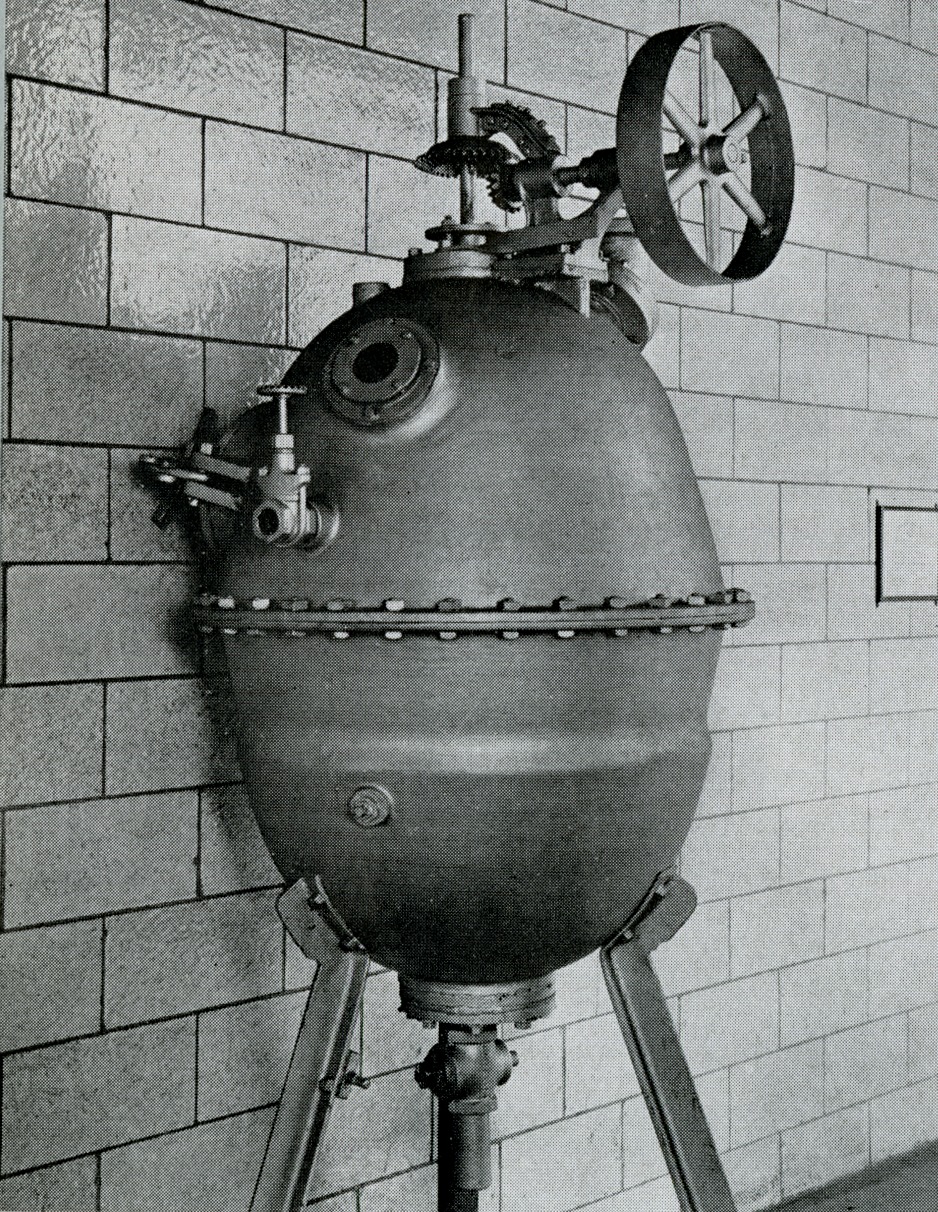
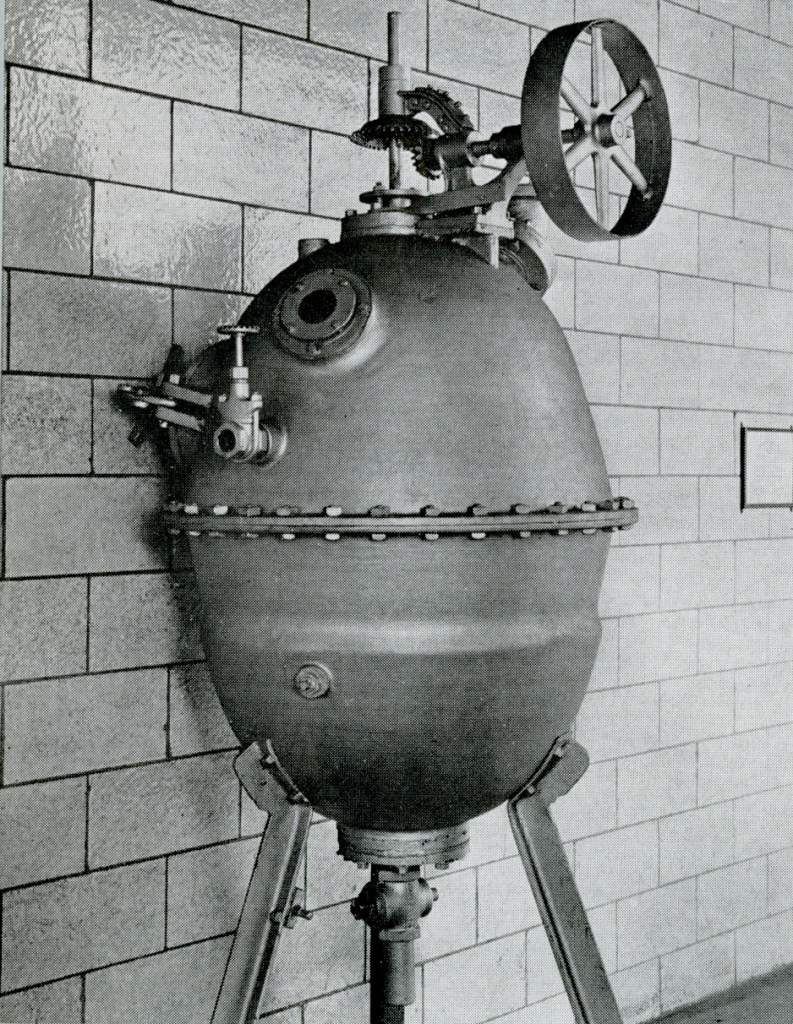
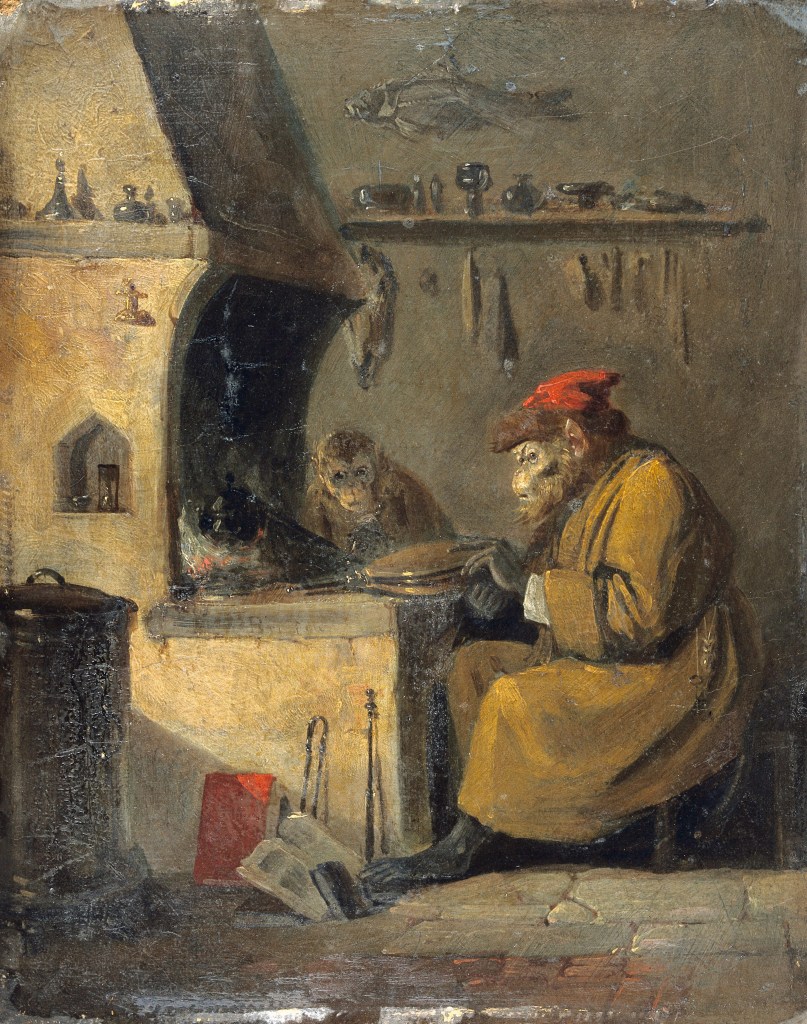

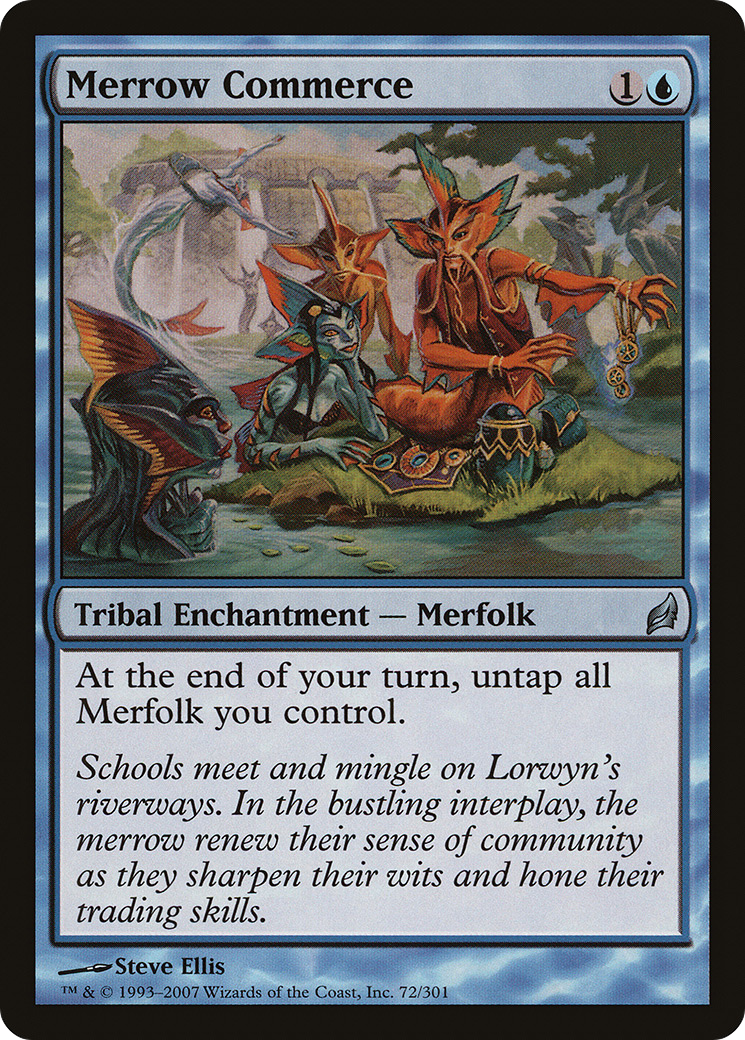


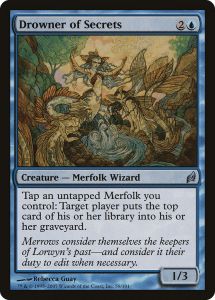
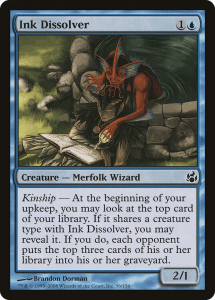
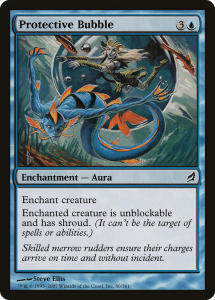

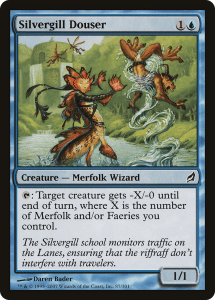


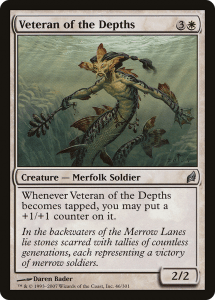
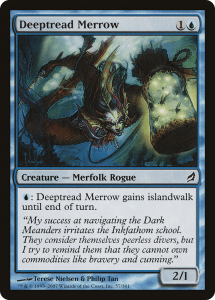
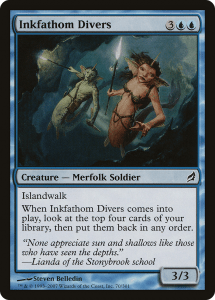
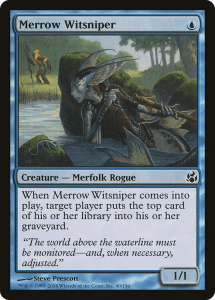
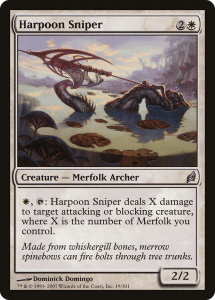
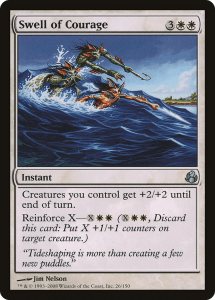
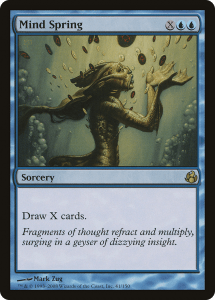

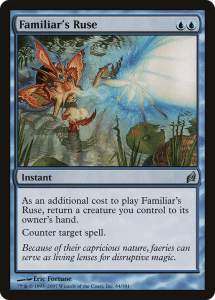
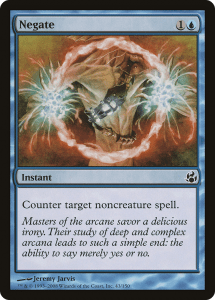
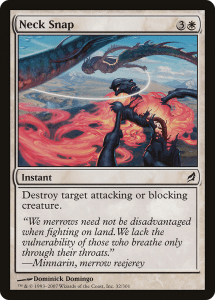

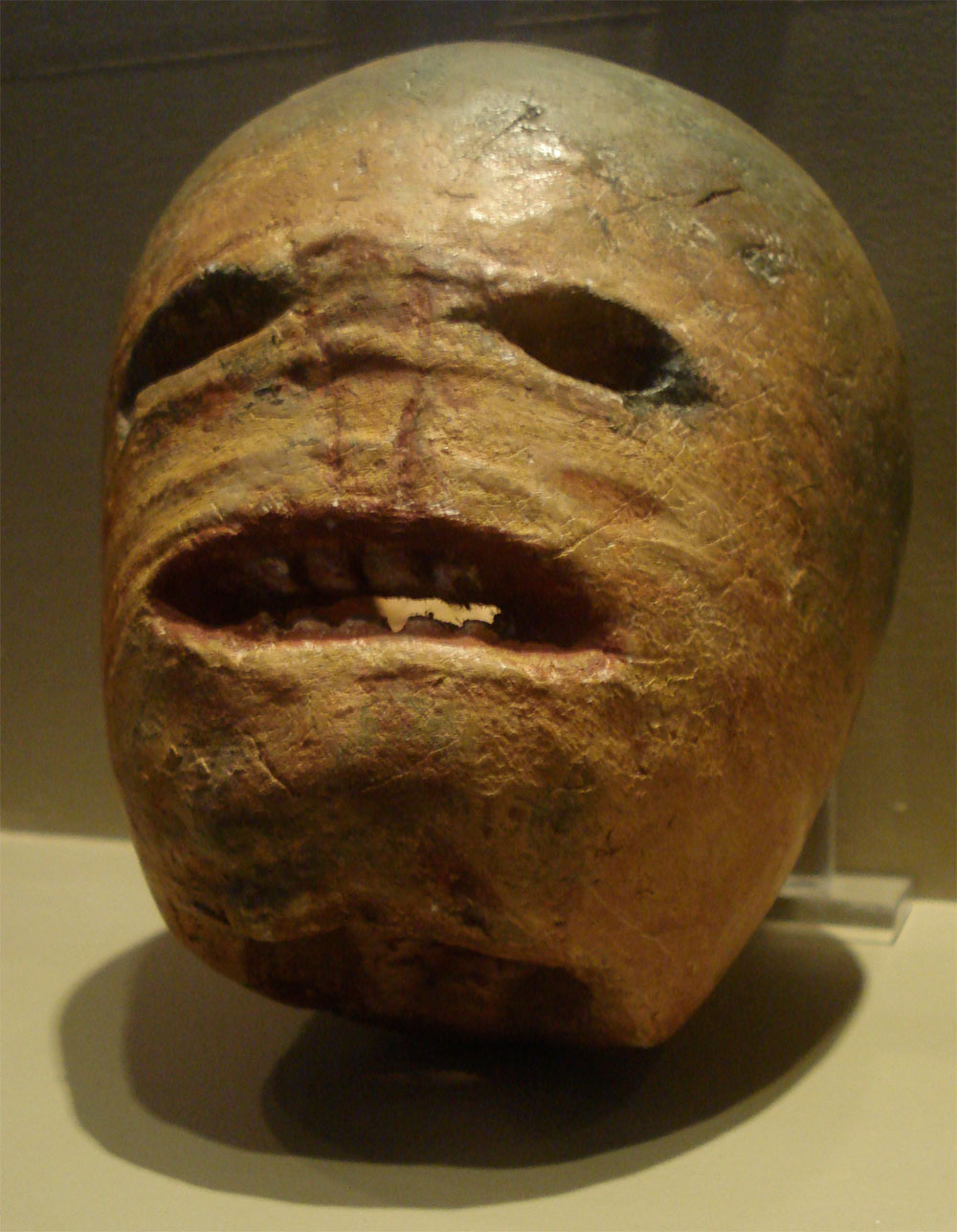
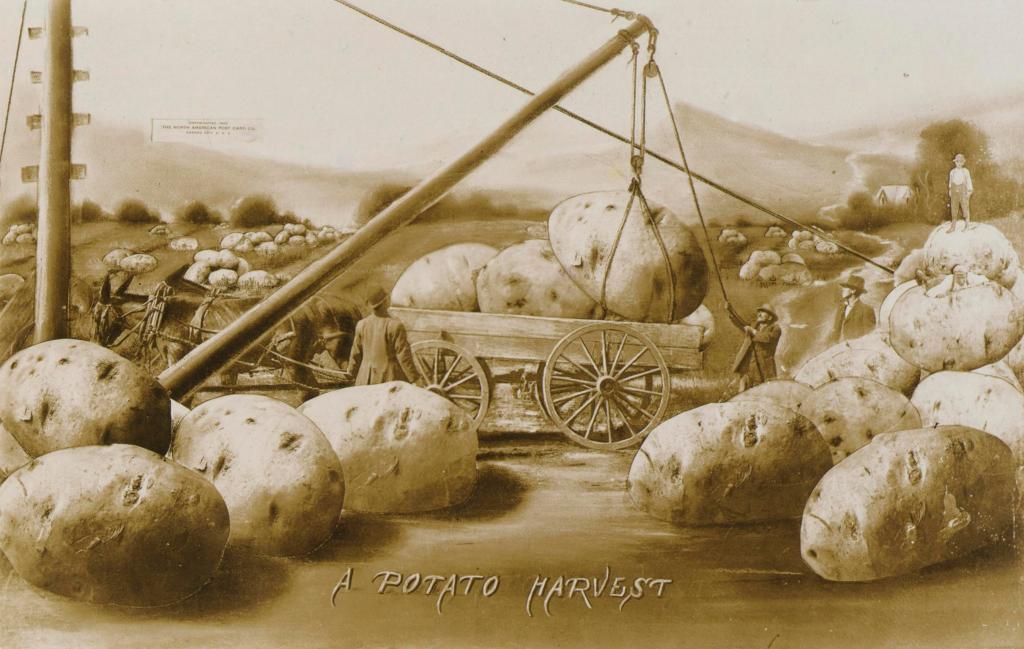
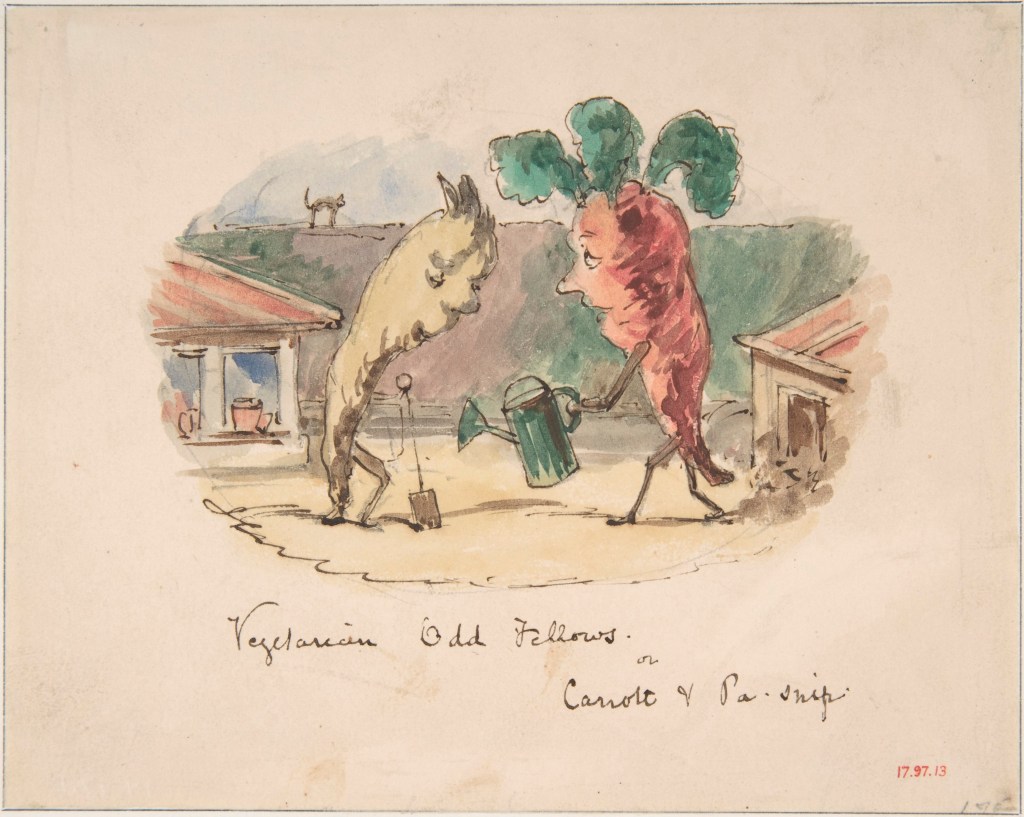
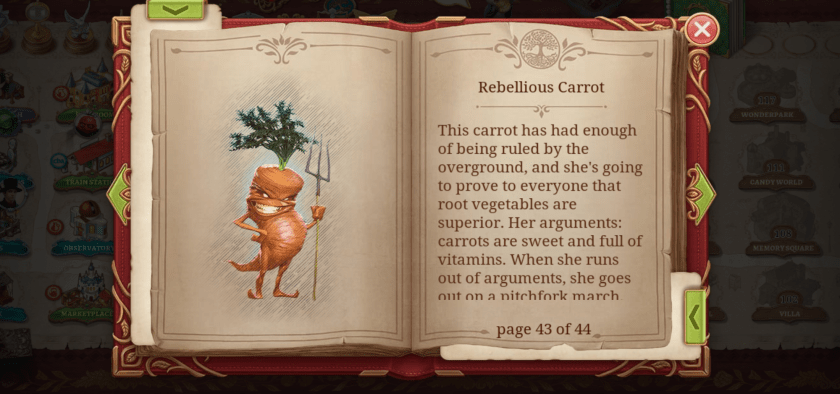
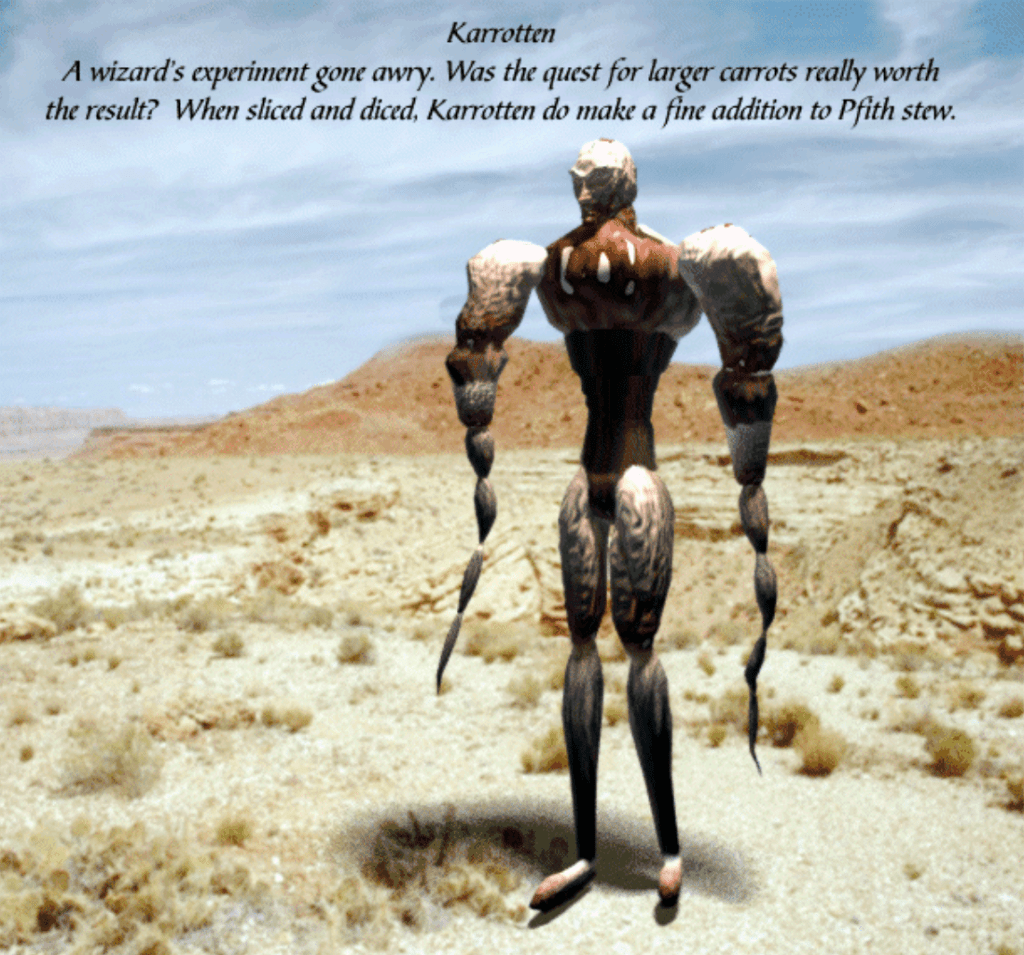
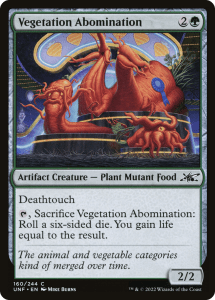
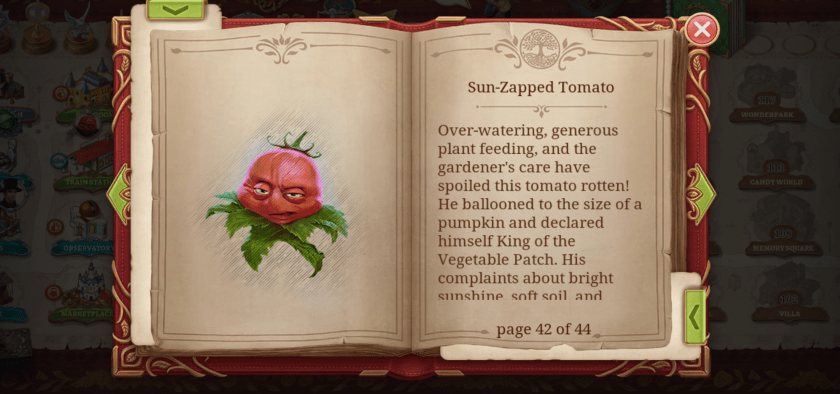
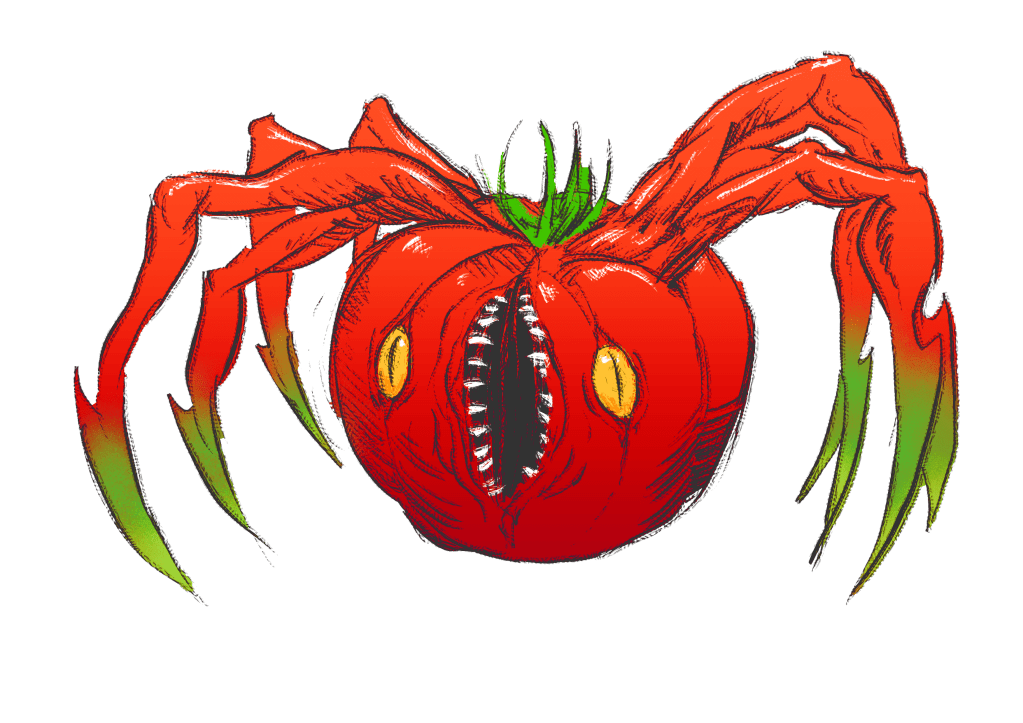
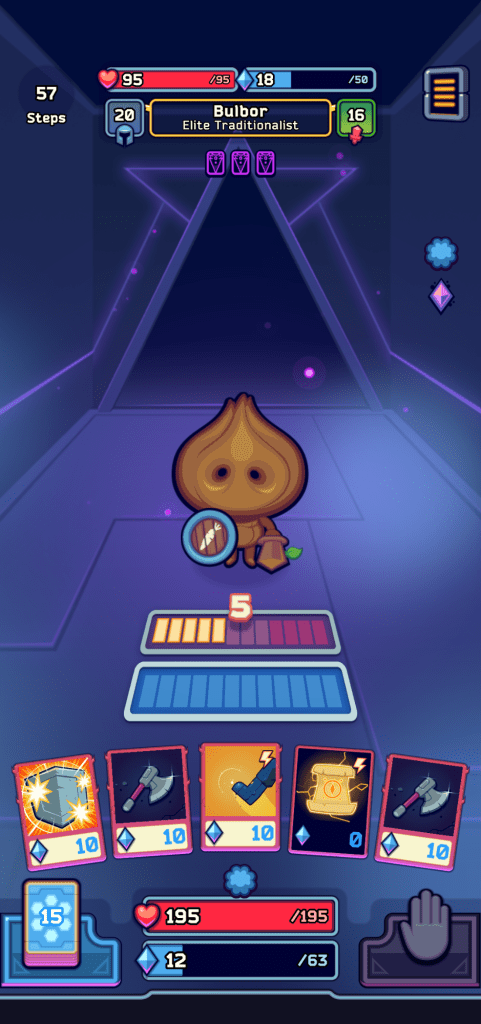
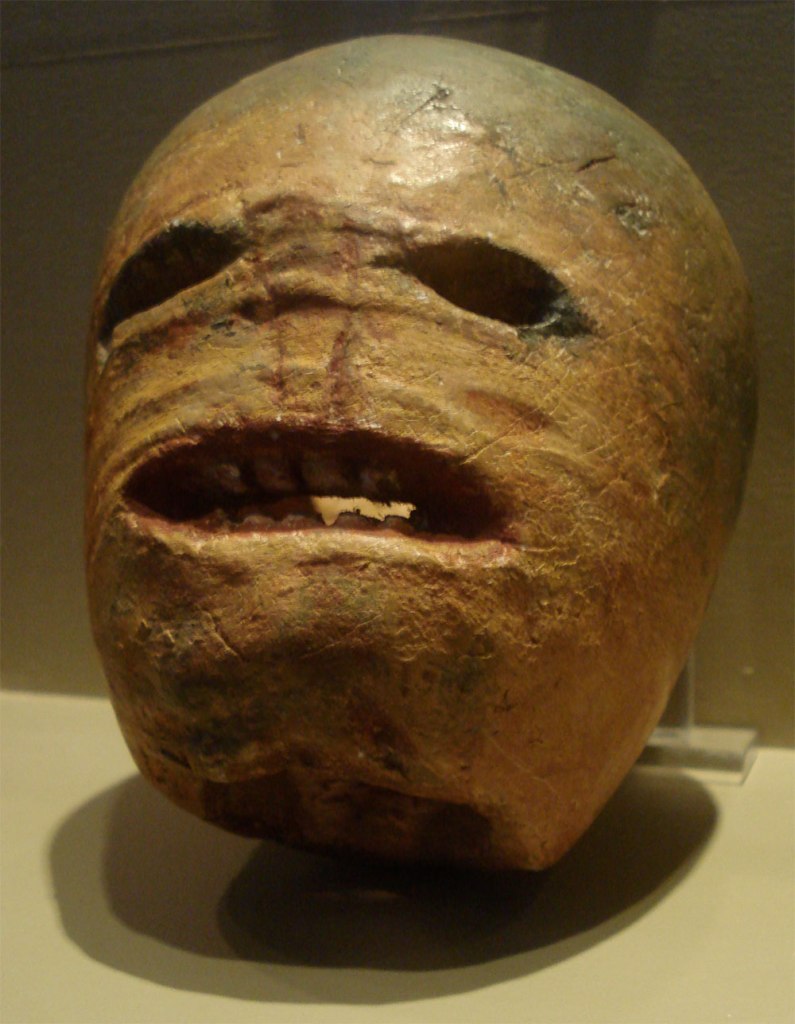
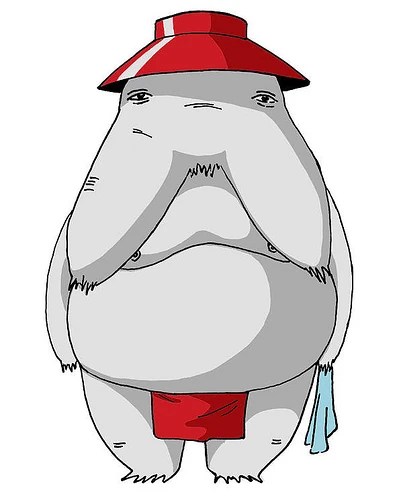
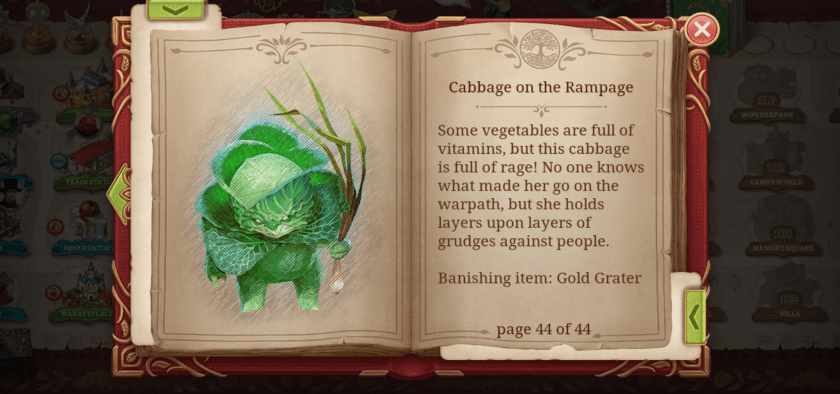
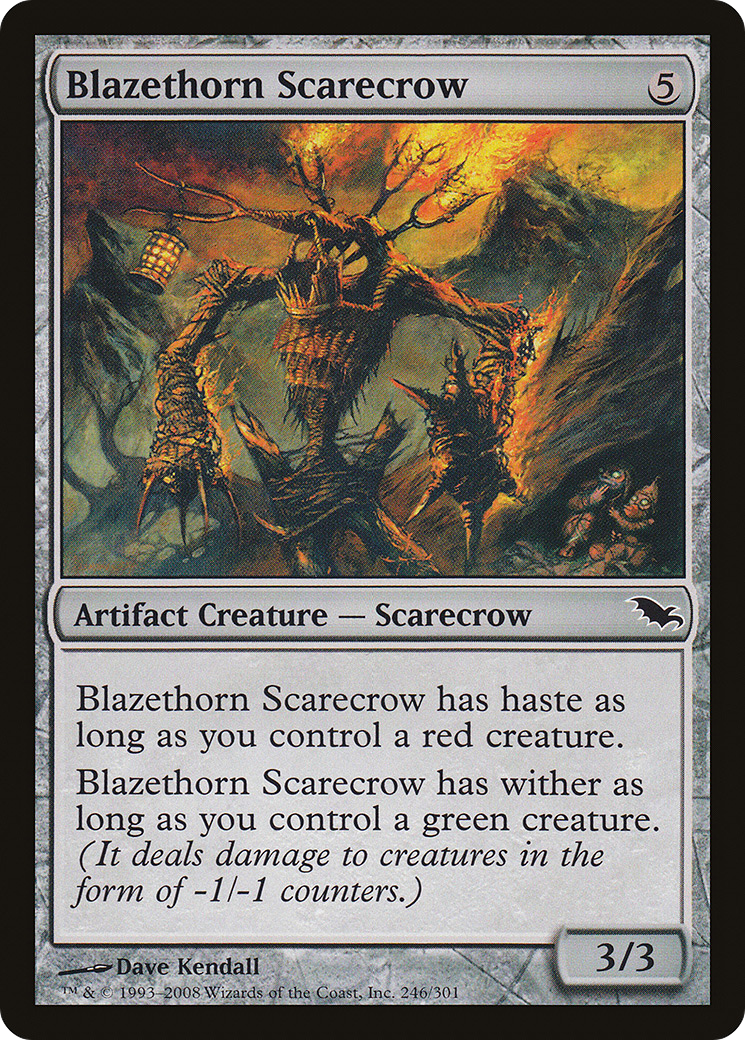
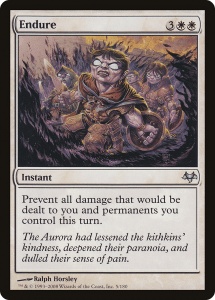

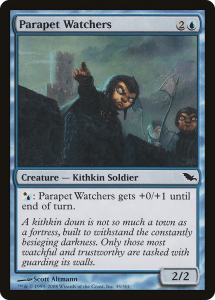
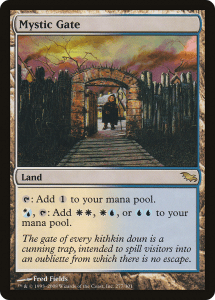
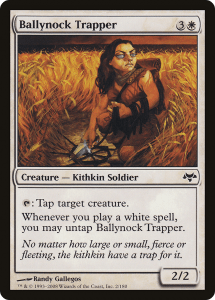

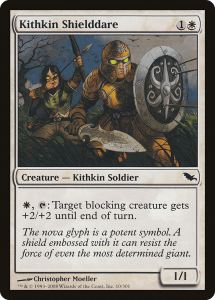
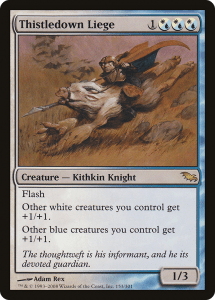
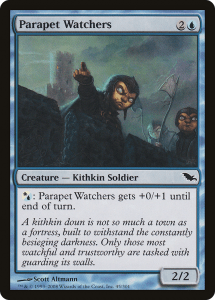

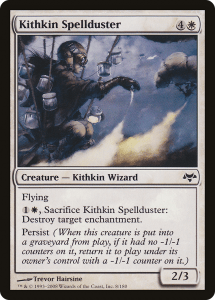
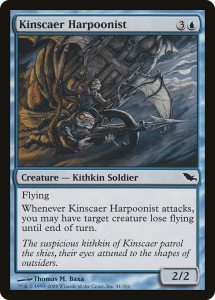
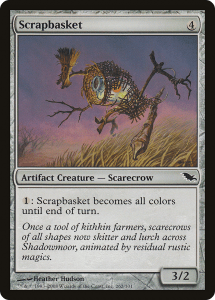

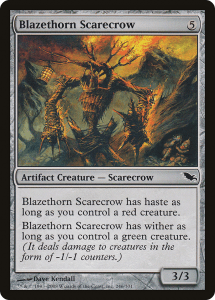
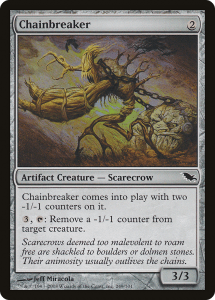
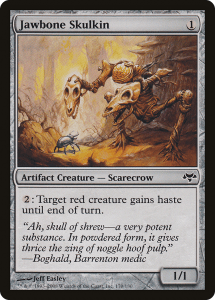
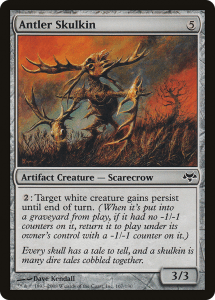
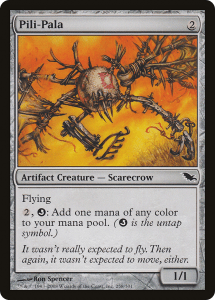
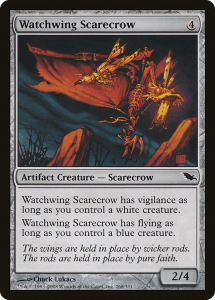
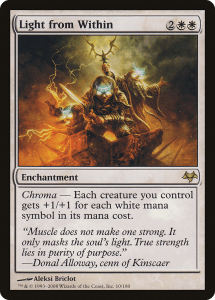
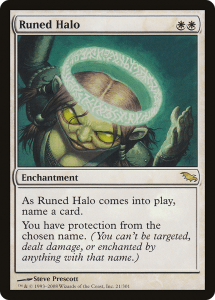
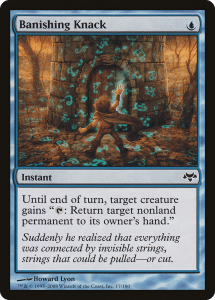
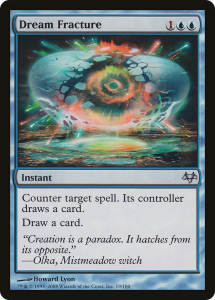
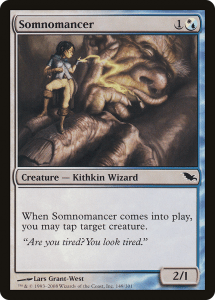
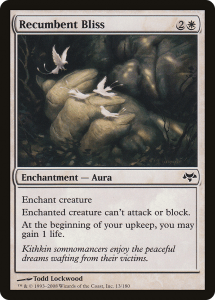

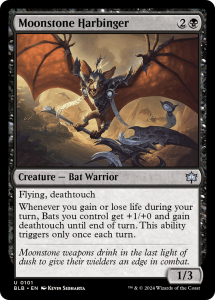
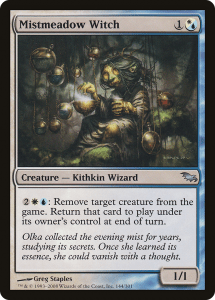
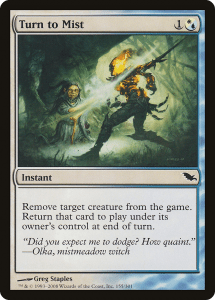
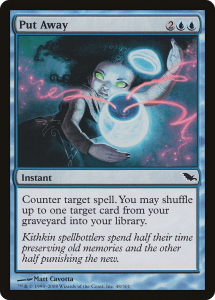
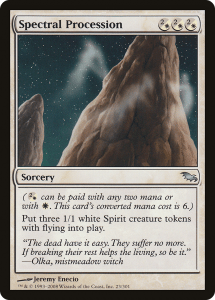
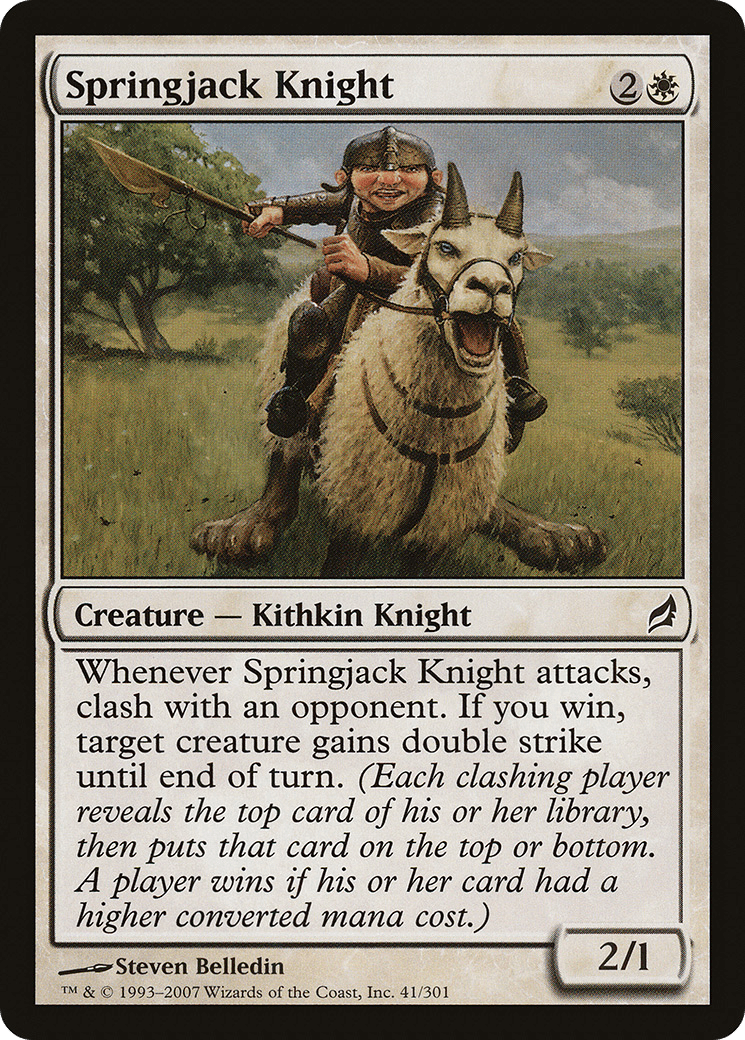
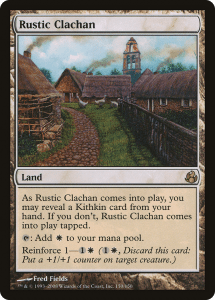
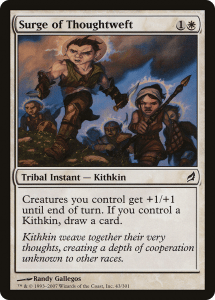
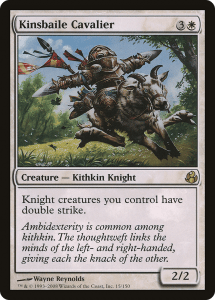
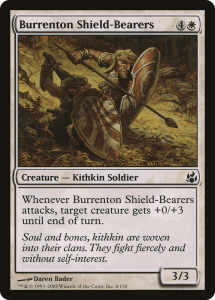
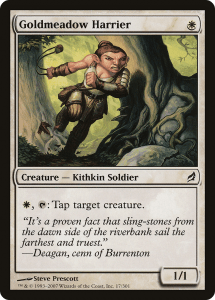
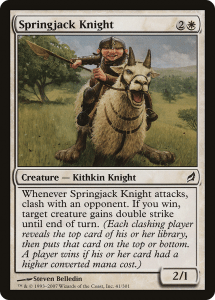

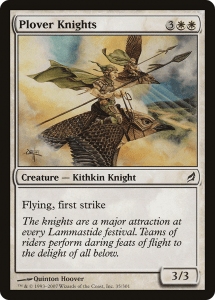
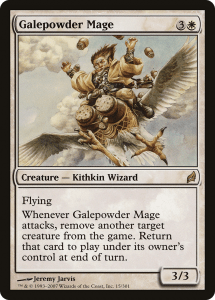

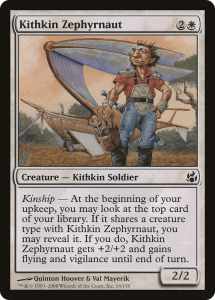
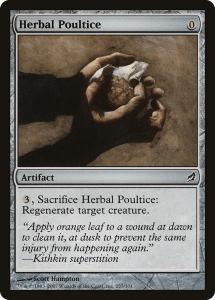

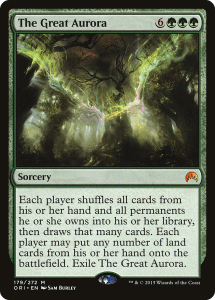


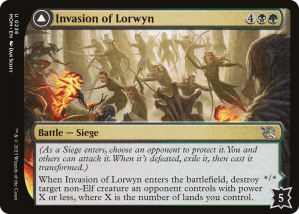


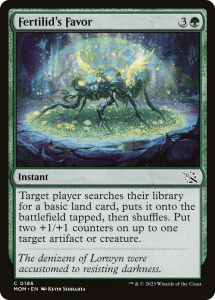
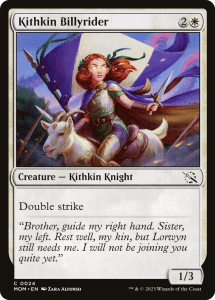
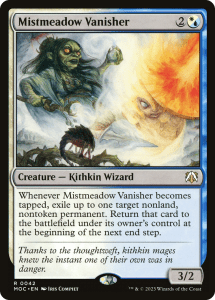
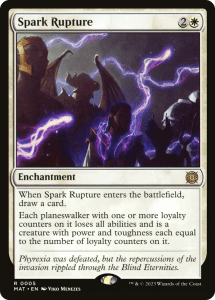
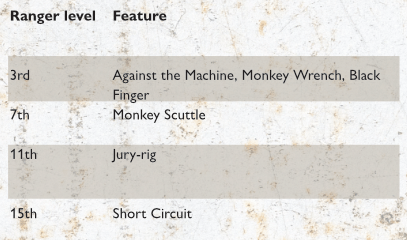
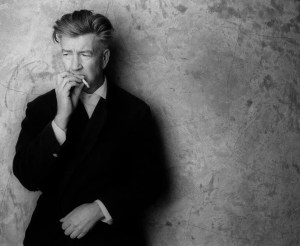

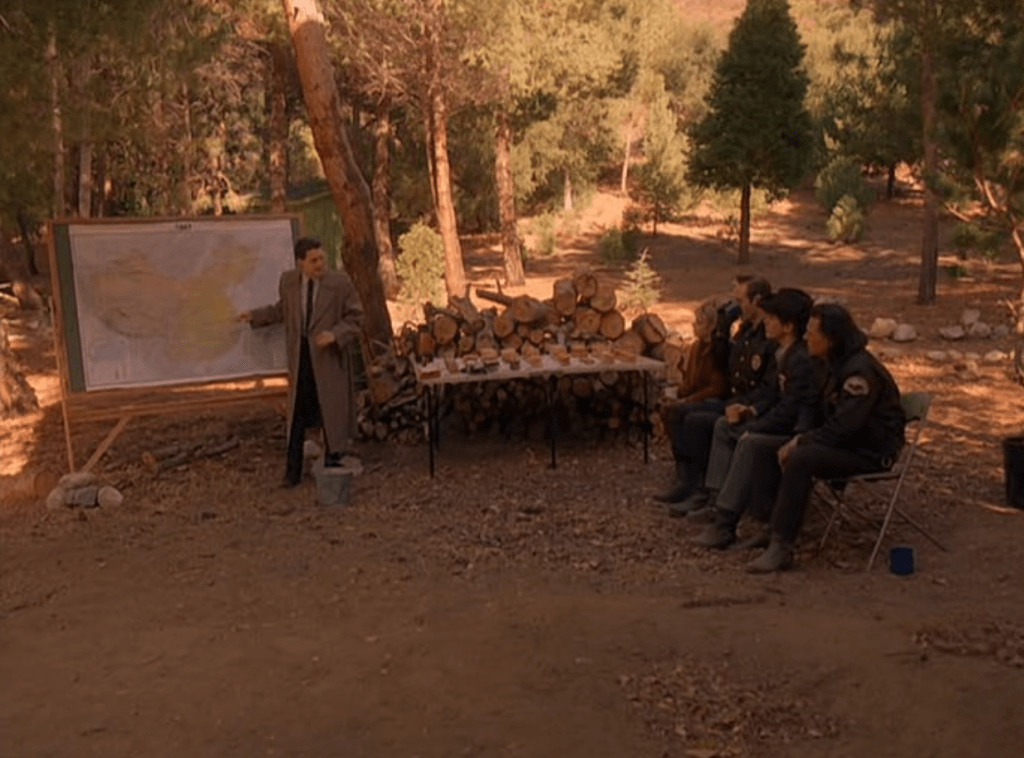
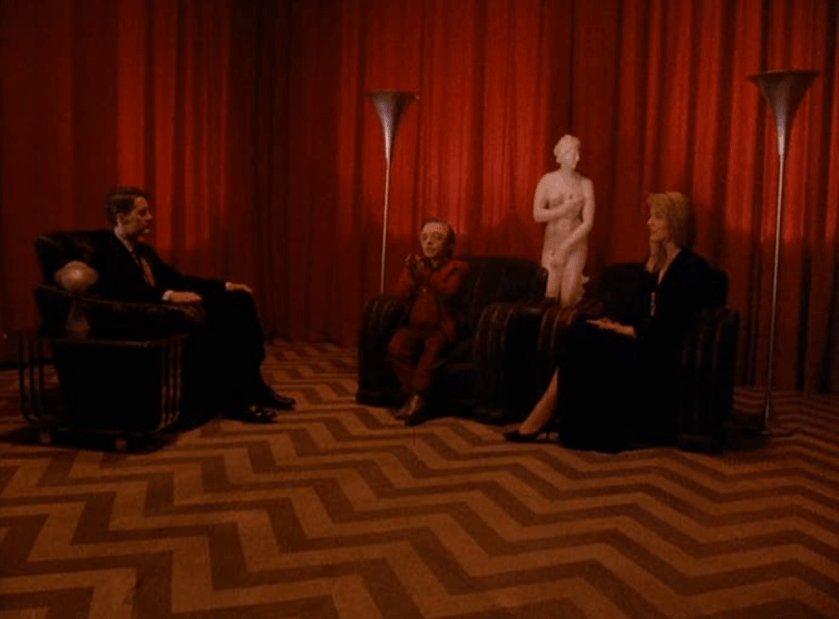
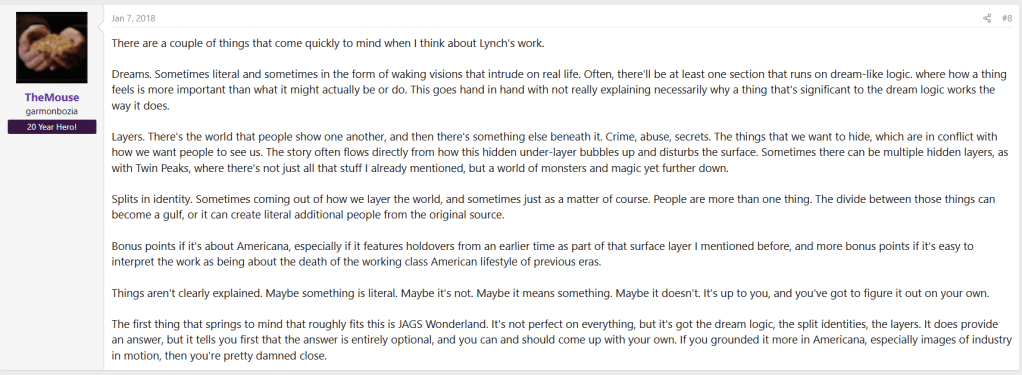

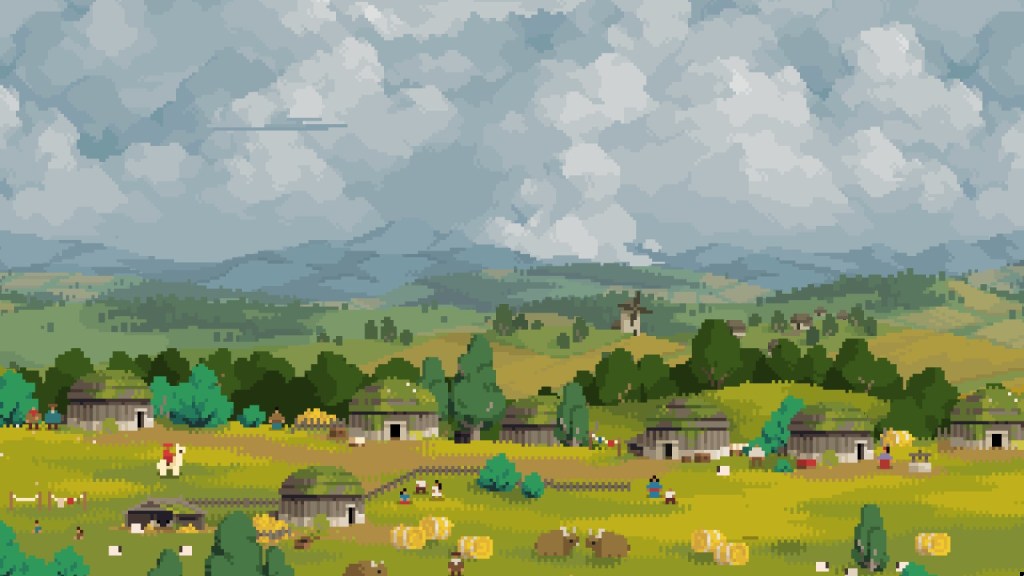

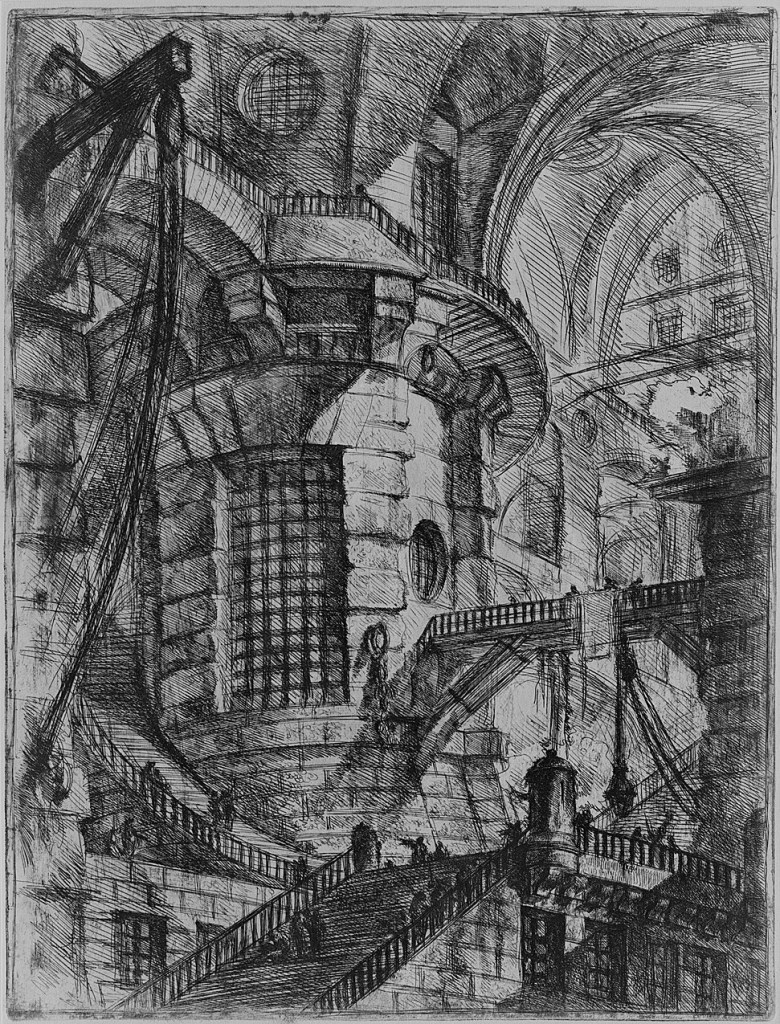
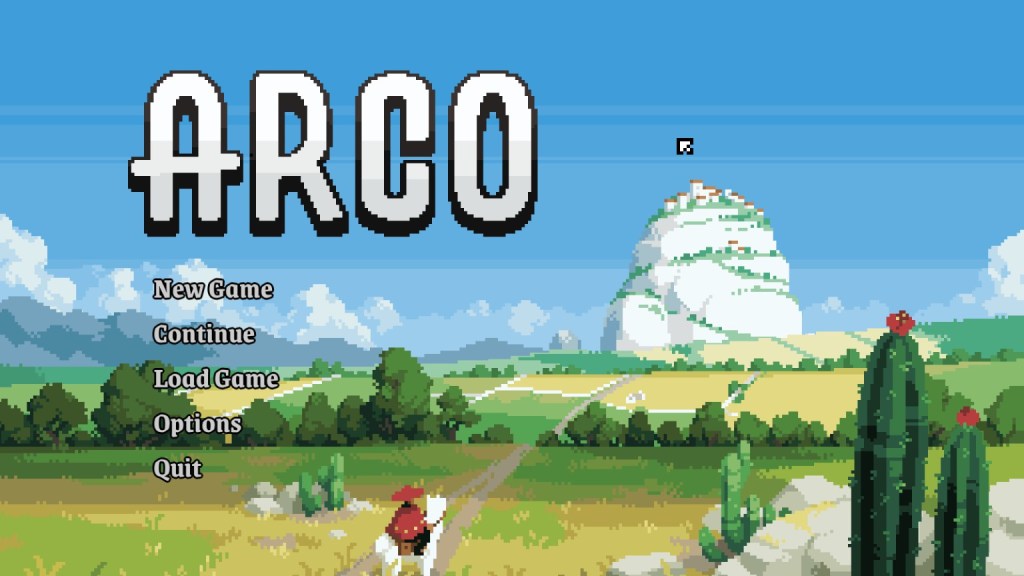
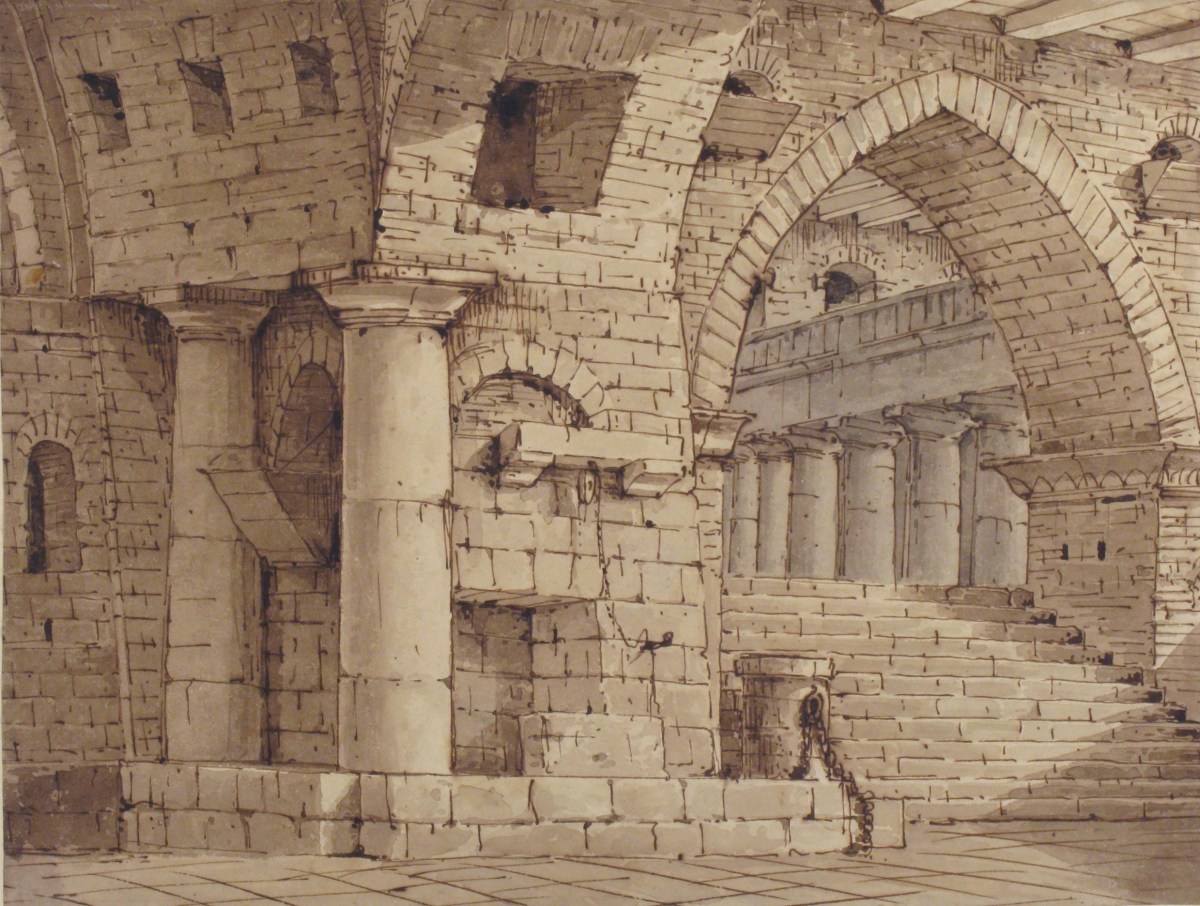
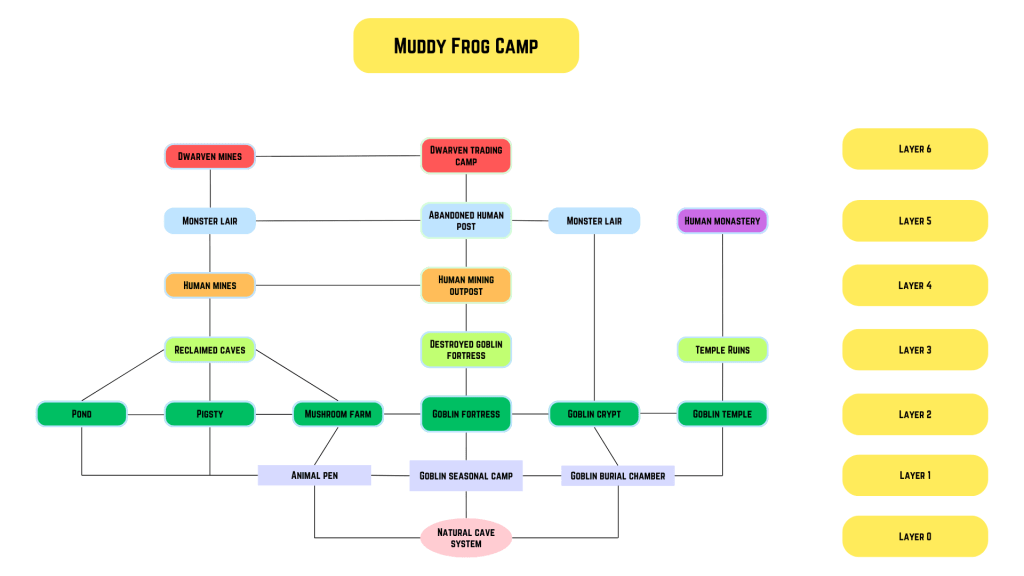
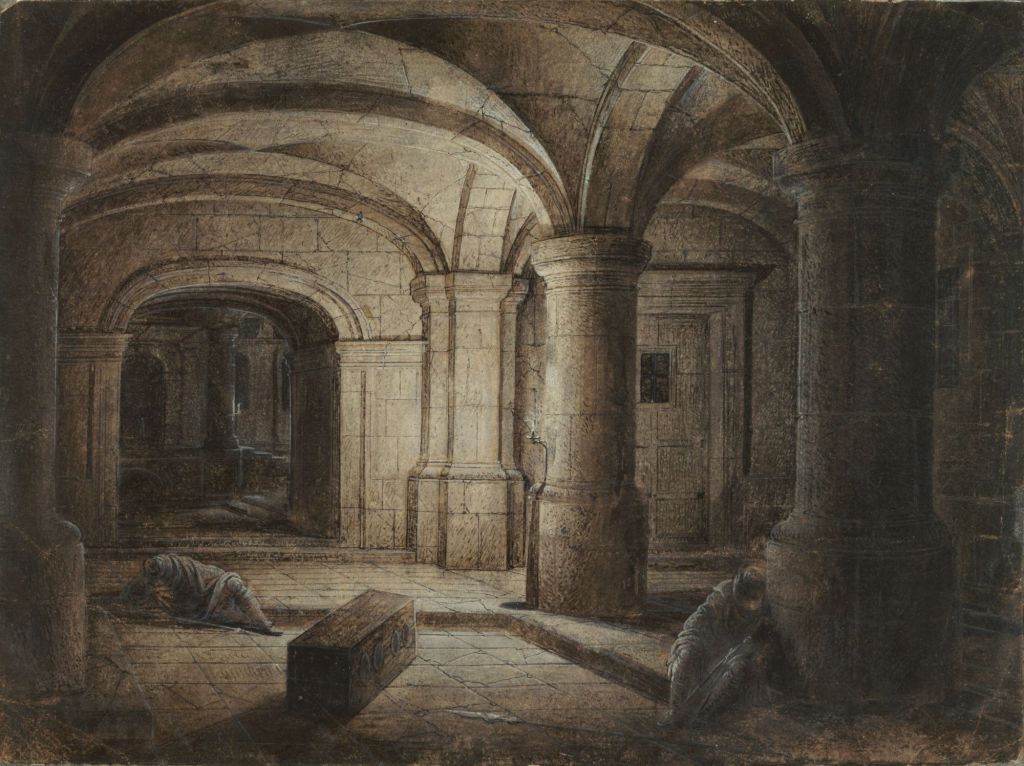
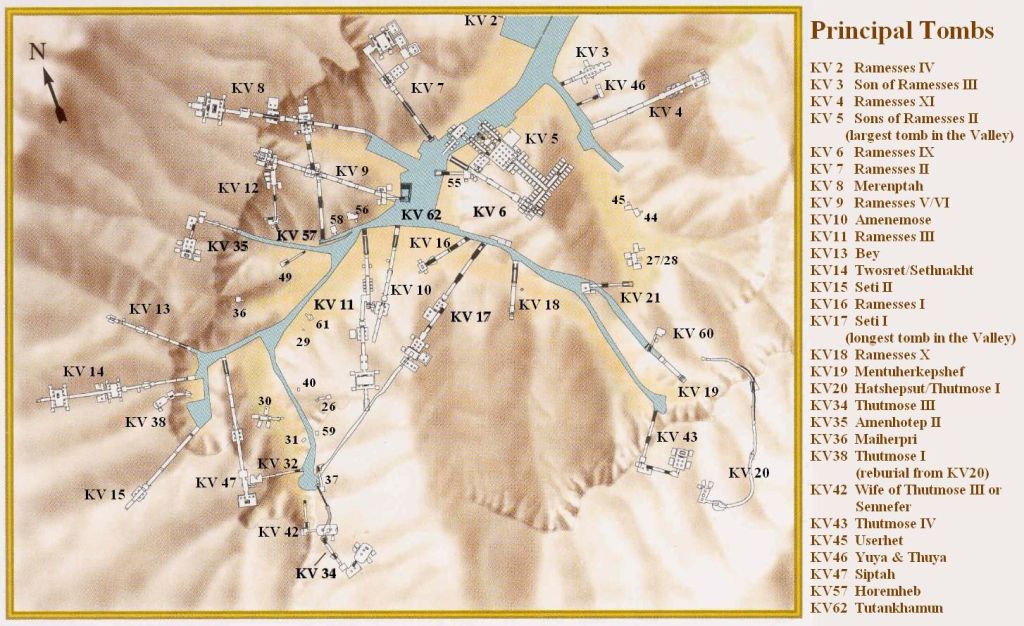
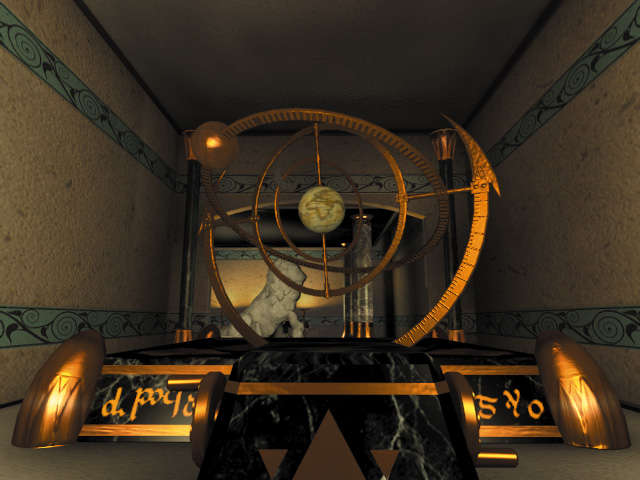
 Rashundai Games

