The Bakelizer looks like it would fit quite well in an alchemy lab
Estimated reading time: 6 minutes
When you imagine a fantasy setting plastic is probably among the least likely things you have in your mind. Often based on Medieval, Ancient or Victorian Earth, fantasy settings tend to keep away from such modern inventions as plastics. On the other hand many authors gladly fill their creations with lots of other anachronisms.
It’s understandable – who would want their their dwarven barbarian to drink ale from a PET bottle? This is disgusting even in real life. Or have their elven warlock wield a molded PVC staff? For many this would break the immersion they seek from a fantasy novel or game, be it tabletop or videogame. Yet there are plastics in our world that can seamlessly enter your fantasy setting. Especially if you avoid calling them “plastics”.
Real world plastics
The beginnings of plastics in our world sound like the exploits of alchemists discovering new formulas in pursuit of superior substances. Early polymers were quite different from the plastics of today, and are coveted as collectibles by some. You can read about the history of plastics in the Sources at the end of the article. To keep it short, chemists strove to create new materials for various reasons, often economical. Many of the early plastics were supposed to substitute expensive and rare resources such as ivory. Some can be made at home using quite basic ingredients and equipment.
Then there are modern plastics we all know. They make up a huge amount of the world we live in. Stuff like PVC and HDPE need no introductions, and it can be guessed that Kevlar also rings a bell. These plastics require a complex understanding of chemistry. They also need access to rather advanced equipment and non-basic resources, and are made in large scale. Many are made of petroleum, another thing not commonly used in fantasy settings.
Fantasy plastics
A monkeyman alchemist heating the mold he’s making his new polymer in! Oil by Edmund Bristow (1787–1876) via lookandlearn.com (CC BY 4.0)
Now let’s take a look at our fantasy settings. Why would you introduce plastics into a world where there are other interesting materials, often magical? Think about who’s going to be the creator of the newly introduced plastics. Yes, the alchemists! Some will be conservative and stick to a dozen essential creations that they spam all over. But I believe in most settings the alchemists constantly look for new ways to power, knowledge, and destruction. It’s a matter of time before they start stumbling on plastics. It’s also a matter of availability. Sure you can use mammoth ivory, but it would cost you an arm and a leg. Dairying cows are grazing under your window at this very moment, and for a few coppers you can get all the milk you need to make that new component out of casein plastic!
Now you might say that mammoth ivory has certain magical properties that make it not only more valuable but also desirable for certain applications. Why couldn’t your not-Galalith also have properties that would make it stand out in its own way? It could provide different magical advantages, or dampen negative effects. When made from a special milk, let’s say unicorn milk, unique properties could develop. Even with cow milk maybe the new material is the only one that is non-reactive in combination with another. Or perhaps plastics aren’t new but instead old, the remnants of an ancient civilization, and can be found as artifacts from a bygone era. Either these are usable as they are, or the plastics could be only collected and remade into new items. Roman glass was reused in Medieval period in this way, to the extent of scholars writing explicitly that you should dig in old Roman ruins for shards of quality glass to recycle!
Plastics in other settings
It’s not an easy task finding plastics being used in fantasy. Authors or game designers prefer more “fantasy” materials than something that surrounds us everywhere in real life. There are few exceptions I found and would like to introduce shortly.
Dungeons of Dredmor
The light-hearted 2011 rogue-like introduced plastics as “plastic ore” that can be melted into “plastic ingots”. Most of the craftable items like “pleather armor” or “plastic bolts”are near-useless . There are some high-level weapons though that are crafted using plastic ingots. This is something that can be pointed out as rather useful. Plastics in your scenario don’t have to be common or available. There can instead be specific conditions under which they become a valuable resource.
The Elder Scrolls
One of Morrowind’s most iconic materials is bonemold. It is a composite material made from bonemeal (ground bones) and resin. It is similar to real world bakelite, with bonemeal serving as the filling material, and the resin unsurprisingly as the resin. Both components are natural in origin, so easily explained in a fantasy setting. Being used mostly for making armour by the Dunmer armoursmiths, it has nevertheless other uses. In TES: Morrowind we see bonemold longbows, arrows, and crossbow bolts. Later games in the series offer only armour that can be crafted from bonemeal, leather and some iron.
Different sets of bonemold armour from TES: Morrowind. All rights reserved to Bethesda Softworks, UESP and/or other respective owners (CC BY-SA 2.5 DEED)
The use of bonemold in The Elder Scrolls (Morrowind in particular) shows how you can get unique and interesting results if you don’t think only in terms of traditional fantasy options. Bonemold feels anything but immersion-breaking. It’s never called a plastic, and fits the strangeness of the Dunmer culture very well.
Conclusion
Only two examples of plastics in fantasy settings? Well, the reason for this article is the scarcity of plastics in fantasy. So yes, it’s quite hard to find some media where it’s been used. Outside of settings where plastics are by default common, naturally. The examples show two different approaches. One using outright “modern” plastics for comic relief (Dungeons of Dredmor), the other deals with “archaic” plastics in a less conspicuous way (The Elder Scrolls). Both have their pros and cons. It depends on the setting and tone of your game which is better suited. It’s quite possible to use both “modern” and “archaic” plastics in a single setting. Just avoid using real world names and descriptions such as PVC, or plastic.
What are your thoughts on plastics outside modern or sci-fi settings? Hate it or love it? Do you recall seeing any sort of plastic in a fantasy setting? In a video game, a novel, a movie? Please feel free to share your views and experiences in the comments section. As always, thanks for reading and sharing!
A longer article exploring the idea of monstrous vegetables. Free sample near the end!
Estimated reading time: 16 minutes
Sometimes you need a change from all the orcs, goblins, or undead. Maybe you want to surprise your players, the plot might require different foes, or you just want to have some lighthearted fun. Wherever your need comes from, we’ve got your back with Monster Produce!
I’m talking about monsters based on fruits and vegetables. While you can find plenty of plant-based enemies in the rulebooks, produce is generally not as well represented. Maybe the notion really is silly, and has a place only in parody games. That is up to you to decide after you’ve finished your veggies, I mean this post. There’s also a little treat waiting for you at the end!
The How and Why?
As with all monsters you probably want to know a little more about them than just the stat block. Why would there be vegetables attacking people, and how they came to be? Let’s look at some possibilities.
Your killer tomatoes can be natural or artificial. Maybe spontaneous is a better term than natural. Anyway it means that no deity, magic user, or scientist created them. A magical field, some kind of mutagen, or even plain fantasy evolution, might have created monsters out of these plants. They are probably tied to a place with precise conditions. Like a magical spring or the impact site of a meteorite. These conditions might not be replicable, or they might be (and this might be of interest to certain parties). There might be a “Plane of Produce” where every fruit and vegetable has its monstrous counterpart. These can either be summoned, or maybe they appear when certain conditions are met.
On the other hand we have artificial veggie monsters. They have been engineered by an alchemist of some sort, probably with botanical leaning. They might also be the result of a spell gone wrong (or right), creating dependable (or not) minions from household supplies. A deity might have sent them as a punishment, or as a boon to the faithful.
And what are the pros and cons of vegetable and fruit monsters? It’s hard to generalize, as they can vary widely. Being essentially plants they have different anatomy than animals. They might lack weak spots, though this might also differ across produce types. Slashing damage might be fine, but piercing and/or blunt damage might not work as well on most. Imagine stabbing a raw potato with a fork. Or hitting a celeriac bulb with a stick. On the other hand they might have unique weaknesses. Salt comes to mind, anyone who ever cooked vegetables knows that they release water and soften when salted.
Depending on their origin, these animated greens might still be edible, or at least usable in some manner. I remember fondly the amazement I experienced as a kid when screamers in Dungeon Master yielded edible slices. Woody tissue might be a rare material for crafting. And of course whatever toxic, hallucinogenic, or healing substances found in the original plant might be present. Possibly even more potent in these enhanced specimens.
Veggie Varieties and Fruit Forms
After deciding their origin, we need to choose the shapes and forms of our Horticultural Horrors. The configuration will determine their stats and roles, and might be linked to their origin. I imagine it’s more likely a mutagenic serum would create a massive onion crawling on its roots spreading poison clouds, than little onion people with arms and legs and smiling faces. The latter might be the work of magic, or a deity.
The first type of our typology (type I) is an animated version of the base fruit or vegetable, possibly weaponized by transformed leaves, vines, husks, shell, whatever applies. Fangs, claws, and other animal parts might also be present. It may or may not have a face, often it will have no eyes. Size might differ from one normal for the fruit or veggie to monstrously enlarged specimens. Animated pumpkins lashing vines around, or man-eater plant proxies (giant bell peppers sitting on their plant waiting for suitable prey to come along) fall into this type. Killer tomatoes would fit here as well.
Then there is the aggregate type (type II). Here a bunch of type I specimens become fused or form a reversible colony. This not only increases the mass, but could also lead to the development of new abilities, an increase in intelligence, or even sentience.
The next type (type III) is roughly humanoid (IIIa) or animal-shaped (IIIb). The base fruit or vegetable will get arms and legs, and at least a face if not a whole separate head. They might easily range from cute to creepy. Type IIIa will include mandrake, various fruit and vegetable sprites, Oddish, or Mr. Potato Head. Type IIIb would resemble an animal or a broader animal group (e.g. dog, turtle, lizard).
Type IV is fully humanoid to the extent that the original fruit or vegetable is not readily identifiable at first glance. It’s not an apple with arms, legs, and head stuck to it, but a delicious person made of apple-flesh.
Putrid Potatoes
Have you seen those memes with potatoes that have spent way too long in the cupboard and started reaching out for soil and your soul? Look them up if you haven’t. Add to that the often misshapen forms of the tubers and you’ve got a set of attributes ready for monstrification. And what if those potatoes were the size of a man or larger, as in the collage below?
A potato harvest, collage by W.H. Martin (ca. 1910s) via lookandlearn.com (CC0 1.0).
The potato idea was used in the 2011 roguelike Dungeons of Dredmor by Gaslamp Games. Large levitating potatoes with sprouts and eyes (type I) bearing names such as Evil Magic Potato or Enchanted Plaguetato plague your steps from the beginning. They can cast magic missiles or other spells, depending on the tier. It’s certainly a nice execution, one of the best Produce Monsters I’ve seen, actually.
Another game in which you can fight animated potatoes is Void Tyrant by Quite Fresh, a 2019 roguelite for smartphones. There you face Potators, humanoid potato figures (type IIIa) who look like, surprise, potatoes with arms and legs. Apart from trying to bash in your skull they hand you potatoes that clutter your card deck. Not the greatest of concepts, but it fits the not too serious tone of the game.
Callous Carrots
“Vegetarian Odd Fellows: or, Carrolt and Pa-Snip” by John Leech (1817–1864) via lookandlearn.com (CC0 1.0).
They don’t look especially menacing, do they? What if they’re two metres long with centipede-like legs and mandibles? And we can extend this category to other Apiaceae to include parsley and parsnip. If you’ve ever grown parsnip you might know that it contains furanocoumarins. These are compounds that react with your skin under sunlight and cause inflammation. See the potential there?
Carrots have also been utilized in Dungeons of Dredmor, taking form of an upturned carrot walking on its leaves (type I). They appear later than the potatoes, so presumably they are more powerful, but I haven’t met them yet.
A carrot monster from Seekers Notes. All rights reserved to Mytona.
There’s a secret object and puzzle game called Seekers Notes, mainly for phones. It’s not combat oriented, but there are enemies you have to beat to advance the story and grind items. There are changed seasonally, and in Spring of 2025, the theme was apparently Vegetable Uprising. One of the enemies is Rebellious Carrot, a type IIIa carrot with humanoid features, holding a pitchfork. You need a special peeler to dispose of it in the game. Although cartoonish, this is a solid example of what this article is about.
Karrotten as seen in the in-game Encyclopedia of Seven Kingdoms. All rights reserved to Enlight Software and Interactive Magic.
A different take can be seen in Seven Kingdoms, an RTS by Enlight Software. In this 1997 game we find the Fryhtans, a collection of monster races. One of these are the Karrotten, a type IV species of magically created carrot-people. Not much background is provided, but it shows that even in an otherwise mostly serious setting there can be place for monster veggies.
Several mutated specimens of carrot. All rights reserved to Mike Burns and Wizards of the Coast.
There’s also a nice example of what are presumably mutated carrots in Magic: the Gathering set Unfinity. We see what looks like a worm or naga, a tentacular beast, and a sort of hydra. So two of type IIIa and one type I. The card says they have Deathtouch, which is an ability that makes damage lethal no matter the amount and the toughness of the defender. This could mean they are venomous, so we get once again to the produce monsters’ potential toxicity.
Terrible Tomatoes
The main stars of several parody B movies, killer tomatoes are one of the less usable produce-based monsters. It would be very hard to use them as they featured in the movies (or at least the first one, of which I have seen a few minutes) in any kind of at least partly-serious campaign. Even in parody games you could do better. In Attack of the Killer Tomatoes they are just enlarged tomatoes that beat people to death. A better way to use tomatoes would be to treat them as any other fruit or vegetable mentioned in this article – even type I could be done better than that.
The Sun-Zapped Tomato from Seeker’s Notes (see above) is a better example. It’s a levitating giant tomato with an annoyed look. Due to the nature of the game we don’t have any stats. It is described as an ever-complaining bore declaring itself king of the patch. Maybe this one could be an NPC instead of a monster? To banish it you need a special Tomato Salt, so there we have a weakness as well (salt!).
A tomato monster from Seekers Notes. All rights reserved to Mytona.
Below is nice type IIIb tomato monster found in an art asset pack I bought. It resembles a spider, or the spider-head things (from The Thing). The image doesn’t indicate scale, but I think it would make a nice monster whether tomato-sized or larger. I would lean towards it being quite large, with the tomato part being perhaps 5-6 feet in diameter.
Tomato spider by Chaoclypse from a pay-what-you-want art pack. It’s a nice design and I gladly paid the suggested price for the pack. I’ll use the other artworks elsewhere, I guess.
Pitiless Pumpkins
A classic, animated pumpkins and pumpkin-based monsters are a staple of Halloween-themed content. Pumpkins come in many shapes, enabling a lot of variety, but the most iconic Connecticut field pumpkin is probably the one that comes to your mind right now. It’s not uncommon for pumpkins to be “enemy-sized” even when they aren’t enlarged somehow. Pumpkins also grow on vines, so you don’t have to worry about having to explain why they possess limbs – they’re modified vines, of course. I’ve seen examples of types I and IIIa, but it’s not hard to imagine a type II as well. Type IV, or pumpkin people, are quite common in fiction, though they are usually some other sort of monster, such as fey or undead. I won’t give pumpkins any more space, because although I like the idea very much, it’s very ubiquitous across genres and media.
Perilous patissons
Patissons or pattypans or are a sort of summer squash that used to be quite popular in Central and Eastern Europe. They have a curious shape resembling a pie or a flying saucer, and there are also “fingered” cultivars. Belonging to the Cucurbita family they offer pretty much similar option as pumpkins.
Until recently I believe there were no patissons used as a base for a creature. That changed with this blog post by Paizo, so kudos to them and a memo to myself not to loiter when I write (I started writing this in January 2024). The Pattypan of Gold Bits is presumably a gourd leshy by Pathfinder 2e taxonomy, i.e. a plant creature summoned by a fey or a druid. Or type IIIa when keeping to the categories of this article. Gourd leshys are actually a fine solution to this type of monster produce. You just have to change a few bits if you want a different vegetable. Maybe borrow fungus leshy’s Spore Cloud for a onion-based leshy.
Obnoxious Onions
If you cry while cutting onions, you might want to avoid these. All well known irritants, the Allium family offers several different candidates for new monsters. Onion, shallot, and garlic have large bulbs and long leaves, while leek, scallion, chives, and wild relatives such as ramsons, are mostly leaves.
Bulbor from Void Tyrant. All rights reserved to Quite Fresh.
There’s quite a few option with the onion family that can build on their irritating volatile compounds, whether in the form of a skin acting poison or noxious vapours. These can be released on demand or perhaps on being hit.
Onions have been used in Void Tyrant as well, in the form of Bulbors, a type IIIa monster. As with Potators, these little smelly fellows hand out vegetables while trying to kill you.
Apparently, there is a Malaysian animated series for kids called BoBoiBoy from 2011, where there’s a villain aptly named Onion Monster. Its powers include noxious gas.
Tormenting Turnips
Do you know what people used to carve Jack-o’-lanterns before pumpkins? That’s right, turnips or rutabagas. You might have seen photos of sweet little faces such as the one below. Imagine it with a little torso, arms, and legs, wielding improvised weaponry such as kitchen knives, meat tenderizers, or a good old shillelagh – a band of turnip goblins terrorizing the countryside makes for a nice low-level threat. They would fall under type IIIa.
An early 20th century turnip Jack-o’-lantern from the Museum of country life, Ireland. All rights reserved to rannṗáirtí anaiṫnid.
Used in Dungeons of Dredmor their turnip-based monsters come with names such as Murderous Rutabaga or Ancient Rutabaga. They have some toxic properties that would perhaps fit better with radishes than rutabagas, but otherwise fit quite well into the overall theme of the game and its vegetable foes as a type I.
Swede is another name for rutabaga, and it’s been made into a monster by Czepeku for one of their battlemaps here. It looks like a man-sized type IIIa that’s been cut in half on a kitchen table. Hopefully it wasn’t friendly. While this is a very simple form of monster produce, it can be very effective as a foe. And also as an NPC, if you take inspiration from similar looking radishes (see below).
Ravenous Radishes
Radishes come in many forms – the small European red ones that are called summer or spring radishes, and the winter radishes comprising the larger varieties such as black radishes, daikon, and other Asian radishes. All of them are pungent and to some degree spicy, with European radishes being usually milder than the likes of daikon or black radishes. I believe we can bundle their relative, the horseradish, with the radishes, and let it take the first place in sharpness.
Sharpness is the key when we’re talking about radish monsters, so we have a similar arsenal as with onions. Radishes could however be sturdier built, and more earthy than leafy.
There are several examples from media where radish is used as a base for a creature. In the excellent Spirited Away by Studio Ghibli there’s the Radish Spirit, appearing as a large and benevolent bipedal daikon. Though it was a presumably unique spirit and not there to fight anyone, one can see the appeal of a hulking humanoid-shaped root vegetable. Either used as an NPC, or as a monster to be fought in a vegetable dungeon.
Radish Spirit from Spirited Away. All rights reserved to Studio Ghibli, image taken from the Ghibli Wiki.
Lethal Lettuce
Lettuce, what a bland vegetable in itself. Add a bit of salt and vinegar and it’s more appetizing. Add some magic or mutagens and it’s a murderous organic drapery waiting for some unlucky soul to get too close. The leaves suggest engulfing foes, or flying, possibly both at the same time. Imagine a giant romaine lettuce flying through the night sky, dropping unsuspected on its prey, killing it by suffocation within the folds of its leaves. Or perhaps using some toxin or digestive acid, why not? Or the same lettuce hanging in the forest canopy above a path, waiting for solitary travelers.
Finally, a cabbage monster from Seekers Notes. All rights reserved to Mytona.
The screen above is once again from Seekers Notes. The highest tier of vegetable monsters in the game is this type IIIa raging cabbage. It’s using an onion as a weapon, and to banish it you need a Gold Grater. It seems quite bulky, built like a golem. Usable as both an enemy and an NPC.
End of part I
There’s a lot you can do with produce as a base for your monsters, or even sentient species. While some players might dismiss them as too nonsensical, I believe when done right they can be an interesting way to liven up your bestiaries. As a DM you know your players (or at least you should), so you probably know what they will like.
These creatures, whether you’re using them only as fireball fodder, or as important NPCs, will broaden your options. You can base them on existing features of real plants, or add new traits that they have evolved or received. Make your party wade through ketchup for once instead of gore!
I would also like to announce that I am working on a produce-themed supplement, part of which will be a bestiary! CLICK HERE to get a free WIP sample!
So that’s it for part I! This article has been on my table for more than a year, and it was starting to get a bit stale. I also feel it would be better to put fruits in a separate article. Get ready for some fruity foes in part II!
In case you haven’t heard, Wizards of the Coast have announced in late February that a new sourcebook is in works. It will resurrect the dual plane Lorwyn-Shadowmoor from Magic: The Gathering, released back in 2007-2008. There was the Lorwyn block, comprised of Lorwyn and Morningtide, and the Shadowmoor block, consisting of Shadowmoor proper and Eventide.
I wanted to dedicate a series of articles to MtG with focus on those two blocks, but Wizards beat me to it with their announcement. There’s no release date so far, so I’ll go for it anyway and write my thoughts, expectations and speculations. I am really looking forward to the end product and wish the team behind it luck. Lorwyn-Shadowmoor is a great setting and should not be left to rot.
Lorwyn-Shadowmoor is clearly inspired by British Isle folklore. It shows in the language, themes, and aesthetic, but it was never marketed in this manner. The creators probably wanted to create a setting influenced by folklore and fairy tales, not build a setting around folklore.
In this article, hopefully first of many, I will describe some of the cosmological aspects of Lorwyn-Shadowmoor in regard to Dungeons and Dragons. There are my speculations on the place of the plane in the multiverse(s), and inevitably a quite large part on the timeline. I wanted to get these out of the way before I start writing about more specific topics, such as the various denizens of the plane.
Dual plane
Lorwyn and Shadowmoor are unique in that they’re two sides of one setting. A dual plane changing periodically because of the Great Aurora. Originally a recurring event orchestrated every few centuries by Oona, queen of the fairies.
Many such events have happened apparently, until the last one (the one we see in the MtG blocks). That one was not caused by Oona, to her great unease and discomfort, but rather brought by the Great Mending. The Great Mending is an important event in the Magic multiverse that I will not describe here. Concerning Lorwyn and Shadowmoor the fact that it happened should be enough.
Due to the dualistic nature of the setting, almost everything in Lorwyn has its darker counterpart in Shadowmoor. Lorwyn is a cozy rural fairy tale fantasy inspired by the British Isle folklore. The sun always shines there and even the storms are a made of light instead of pouring rain.
Shadowmoor is the opposite, it is always dark and hostile. It still retains the fairy tale tone, but warm and cozy is replaced with harsh and gloomy. The denizens of Shadowmoor are mostly bereft of their good sides, with their flaws amplified.
The duality of the plane is best seen when the change is part of the equation. Without the Great Aurora the plane is either an idyllic rural haven, or a folk horror darkland. Both have their merits, but a large part of the potential is lost when only one aspect is experienced.
Cosmology
What I am quite interested in is the way Wizards will handle the plane in relation to D&D cosmology. Both multiverses feature planes, but they are not connected.
MtG Multiverse
Based on the Planeshift series my guess is there will be no overlap with Lorwyn either. Rules will be given for playing D&D set in the plane, but you will be expected to act within the MtG multiverse. That’s fine in my book, it makes more sense to travel from Lorwyn to Innistrad, than jump between Lorwyn and Sigil, or one of the many worlds of the Prime Material plane.
In the Magic multiverse one thing you have to consider is that travel between the planes is not easy. Usually the power called “planeswalker’s spark” is required, and the individuals in possession of the spark are known as “planeswalkers”. It takes time and effort to master the spark, so the planeswalkers that could travel to Lorwyn should be fairly high-level.
This changes after another large event in the MtG universe, the Phyrexian Invasion of the Multiverse. One of the the results is that many planeswalkers lost their planeswalking powers. Instead, newly created portals called “omenpaths” now exist, enabling even non-planeswalkers to travel from plane to plane. So the accessibility of interplanar travel depends on your timeline, but more on that later.
D&D Multiverse
Suppose you only wanted to use Lorwyn-Shadowmoor in your campaign. You are using the “default” D&D cosmology, also known as the Great Wheel. From the outside in there are several layers of planes. The Positive and Negative planes are the outermost, then there’s the Astral plane wrapped around the Outer planes, with all the alignment-based fun stuff.
The Inner planes are encased in the Elemental chaos, then there’s the Ethereal plane, and nestled safely in the middle is the (Prime) Material plane. That’s where most of the adventures usually happen, whether it’s on Toril, Krynn, Greyhawk or what have you. Somewhere near the Prime there are the Feywild and Shadowfell, and those are the ones whose relation to Lorwyn-Shadowmoor would need to be resolved.
The Great Wheel as depicted in the Dungeons & Dragons 5th edition Player’s Handbook. All rights reserved to Wizards of the Coast and/or other respective owners.
Personally I would handle Lorwyn as a crystal sphere similar to Realmspace, or Greyspace. One heavily influenced by Feywild in the past, but perhaps cut off since then. Maybe Oona, the queen of fairies is the culprit, seeking dominion and independence in her own plane without intervention from home. That would explain both the influence and isolation, and go well with Oona’s theme of manipulative schemer. But all this depends on another detail of the D&D adaptation, and that is the timeline.
Timeline
The aspect of the plane would dictate much of the tone and play style of any prospective game. There’s actually quite a lot of possible scenarios depending on the timeline the creative team chooses. I believe it makes most sense to present readers with all of the options. They’re making a setting supplement, not a short zine, so there should be plenty of space for that. Everything depends on whether they want to set a particular scenario forth as “canon for D&D play”, or whether they want to give as much freedom as possible.
Before the blocks
The earliest and possibly largest period imaginable would be the one before the Lorwyn block. A time when the aspects were being flipped every couple of centuries by queen Oona and nothing out of the ordinary happened. Or did it?
Prequels are often used and abused by creators to fluff out already established franchises. When done right it can add depth and explain some things that were left unexplained in the original story. When overdone it can lead to the past being more crowded than the main story, and that is not always desirable.
In this scenario we would find some of the more long-lived characters from the blocks, but there would also be plenty of space for new ones. It would give the creators a lot of freedom, and they have the luxury of the Great Aurora effectively resetting almost everything. That gives a lot of leeway for even quite deep plots as long as it’s something Oona can kill with the Aurora.
Lorwyn block
The first two sets of the Lorwyn-Shadowmoor cycle are Lorwyn and Morningtide. The plane is in its bright and sunny aspect, and there is an overall playful mood throughout. The elves are the public villains, and Oona and her fairies the villains in the shadows.
I will not recount the whole story here, you can read it on the MTG Wiki if you like. Just a few remarks. Since there already is a “main story” for the Lorwyn block, there remains less of the freedom for the team working on the new D&D book.
It’s not easy to fit new stories alongside a strong existing main story. In Star Wars such things are possible thanks to the breadth of the universe. In Harry Potter or Lord of the Rings this would be more difficult. In the case of the latter there’s an amazing achievement in the form of the War in the North video game, but such feats are rare.
Shadowmoor block
Shadowmoor was introduced in the eponymous set along with Eventide. The plane has now been shifted by the Great Aurora, and it’s not for the better. Not only almost everyone lost their memories and their good sides. Oona herself is perplexed by the Aurora, as this one wasn’t her doing. In the end Oona’s chokehold on the plane was broken and a new era begins.
A lot of what was applicable to the Lorwyn block story is the same with the Shadowmoor block. There is a story and it might be difficult to squeeze in other worthwhile content without it coming off as secondary. But it can be managed and surely some groups would be able to pull off a nice campaign.
post-Shadowmoor / pre-Phyrexia
The events of the Shadowmoor block leave the plane in a new state, without the constant shifts of aspect. There are no more Great Auroras and a normal daily cycle is restored. The plane should be more or less in its Lorwyn aspect with a few remnants of Shadowmoor. That sounds like a fun mix that’s not all gloomy but still has some darker elements.
After the events of Shadowmoor and Eventide Oona has been dethroned and supplanted by Maralen, though still alive. The elf Maralen is now queen of the fairies and supposedly is going to rule differently. The fairies will probably remain mostly as they were, but we can presume the other tribes will exist in both aspects in this scenario. So we get both kind and xenophobic kithkin, playful and monstrous boggarts, despotic and virtuous elves. The extra Shadowmoor smaller tribes might also stay. It could really mean many cool options for your tabletop campaign.
If there’s only one “canon” scenario, this one would make the most sense to me. Being a sequel there’s a lot to go forth from, and no danger of retroactively stripping logic from already published materials. The only established event concerning the plane of Lorwyn is the one in the next paragraph, and that one should not cause any problems.
Phyrexian invasion
Phyrexia is MtG’s version of hell, a world of machine-and-flesh monstrosities lusting for the whole multiverse to devour and turn, or “compleat” in their own wording. There was an original Phyrexia in the older blocks, that was defeated, but not wholly eradicated. It took hold of Mirrodin (another great plane with a bunch of blocks and lots of great ideas) and transformed it into New Phyrexia, unleashing an invasion into every plane in the multiverse.
Lorwyn was not an exception, though the focus of the whole story arc was on other, more prominent planes. Lorwyn received only some fleeting mentions. Such is the fate of planes fifteen years dead to the franchise (at the time of Phyrexia: All Will Be One).
The few bits of information that we have tell us that Lorwyn was indeed invaded. There were those who fell to the lure of the Phyrexians, as we can see on the card above. Ultimately the tribes of the plane joined forces to fight back and resist the machine would-be-overlords. The invasion card art shows only elves, but we can see kithkin and presumably others joining in as well, including the wildlife.
The invasion of Lorwyn by the Phyrexians is another scenario well-suited for your D&D game. A whole campaign could be devised, starting with some early pre-invasion reconnaissance being responsible for trouble on the plane. Followed by full-scale invasion, during which perhaps the party would have some vital quest to help turn the tide. The possibilities here are again quite broad, both for the creative team and for the players.
post-invasion
After the invasion most of the planes invaded were destroyed to various extents. We know nothing of the casualties Lorwyn suffered, but since the Lorwyn invasion wasn’t mentioned too much, we could expect a fairly good result. Maybe we’ll get more information in the prepared supplement. It’s also a direction in which a lot of creative work could be done.
There is an opportunity to come up with some interesting worldbuilding, but it seems wasteful to me to set your game after the invasion. Sure, the rebuilding also has its charm, but from a D&D point of view, the Phyrexian invasion is something you want to be part of, when you’re not setting up your game in Lorwyn’s past.
One outcome of the Phyrexian defeat should be pointed out, however. During what’s called the “Desparking” many Planeswalkers lost their spark. At the same time omenpaths have opened, essentially the means of interplanar travel for non-planeswalkers. This opens the possibilities for parties of non-planeswalkers to visit Lorwyn. For example start playing on Zendikar and then travel to Lorwyn. Again, this is something that broadens your options significantly, but comes only after New Phyrexia is dealt with.
Conclusion
Well, the conclusion is obviously that it’s great Wizards are working on a Lorwyn-Shadowmoor supplement for Dungeons and Dragons. The plane has been neglected for too long, and making it available also for people like me, who are more into TTRPGs than TCGs, is a nice gesture.
I posited various questions and their possible solutions for the future supplement. It will be to interesting to see how the team handles them, or even if they do. Maybe what I’m considering isn’t really what’s important here?
Let me know in the comments what are your thoughts, and how would you handle the issues of possible scenarios and cosmology. Also, it’s entirely possible I’ve got some things wrong, as I’m by no means a MtG buff. Corrections are welcome, as well as suggestions, and any constructive discussion. What are your thoughts on the matters I described?
If you liked the article, your comments and sharing would mean a lot, and give me the necessary feedback. The article is quite long, at roughly 12 minutes reading time. Would you prefer articles of this length, or should I strive for more shorter ones in the future?
Last but not least, some disclaimers: Magic: the Gathering (and Dungeons & Dragons, for that matter) are property of the Wizards of the Coast. The cards embedded in the article are obtained via Scryfall with no foul intent. The content of this article benefits a great deal from the MTG Wiki. I am not affiliated with any of the above mentioned entities in any way.
What is a Palimpsest Dungeon, why make one, and what can it offer? How to make one, even? All this and more can be found in this article.
Estimated reading time: 9 minutes
This post is part of a series analysing several aspects of one of the recognizable parts of the TTRPGs we all love – the dungeons. The posts can be read in any order and they will be cross-linked when necessary. Throughout the series (and also elsewhere) “dungeon” is used as a technical term and can be used to describe any clearly defined environment containing multiple non-random encounters. These include natural caves, mines, keeps and castles, crypts, temples, ships and other vehicles, and many others.
This part will be about a concept that lends depth, complexity, and also integrity to your dungeon designs. What is a Palimpsest Dungeon, why make one, and what can it offer? How to make one, even? All this and more can be found below.
Palimpsest
One idea I strongly encourage is “palimpsest dungeon”. This paraphrase of the “palimpsest landscape” concept from historical geography or landscape archaeology seems perfect for creating interesting multi-layered dungeons that make sense. A “palimpsest” is a manuscript that had it’s original writing removed by scraping or washing and then overwritten with new text. Remains of the original text can be sometimes deciphered either by eye or by using modern recovery methods.
In landscape archaeology landscapes are viewed as results of successive actions by humans that have shaped the land. These activities include agriculture, construction, warfare, funerary and religious practices, and resource exploitation. Sometimes the old is removed, sometimes reused in a different way. This may be conscious and deliberate, or accidental.
A good example of palimpsest landscape would be a great barrow, where a warlord’s remains are interred. Rites are conducted on the site for a few generations. A thousand years later the warlord is long forgotten, and the local ruling class starts burying their dead around the barrow. Though of a different religion, they raise a shrine on top of the barrow and observe their own traditions there. After a generation the land is conquered and the conquerors strive to replace the religion present in the region. They remove the shrine and build their own on top of the barrow. After some events it becomes a site of pilgrimage, and a small temple complex is built surrounding the barrow. During construction some of the graves are unearthed and removed, but those untouched by foundation ditches remain. Eventually the site becomes abandoned, its purpose forgotten. New settlers come into the region and a small hamlet sprouts around the windmill built on a convenient mound.
Researchers “read” the landscape from the present backwards. Same as would a visiting party if they arrived in the hamlet described above. You on the other hand have to go from the beginning, setting the layers upon each other as you would a layer cake. With parts of layers missing, pockets of different stuff, and strange combinations. While you better not serve a cake like that to your birthday guests, your party should find it much more intriguing than a 20-centimeter high corpus of sponge.
Palimpsest dungeon
The same principle can (and should) be applied to dungeons. The “typical dungeon”, a complex of underground rooms and corridors, usually isn’t encountered in its original state. The mines were abandoned and overrun with monsters, goblinoids conquered the dwarven city, the once peaceful crypt has been taken over by a necromancer, etc. The layer encountered by the PCs is at least the second one, if not third or fourth. Even in a functioning dwarven underground city there might be parts that lay on top of older layers – old mine tunnels reused as fungus plantations, in turn overrun by mushroom-loving lizardmen.
Having more layers gives you depth on one hand, enabling more complex backstories, but also more options regarding the exploration of the dungeon. Old unused passages might offer shortcuts if found, burrowing monsters might create connections where there were none. Ancient temple underneath a crypt/monster lair/mine is an often used trope. And it makes sense.
Places are often settlet or used for a reason (no surprise there). That reason often stays valid for centuries, whether it’s military importance, environmental features, logistics, or anything cultural. On the surface, when we’re talking landscape, it’s obvious – hills, natural harbours, fertile fields, all these make sure a location will be settled again and again. With dungeons it’s similar. Natural caves will have their climate and water systems that make some areas more hospitable than others. Artificial dungeons were dug out and built with a specific purpose in mind, and this can be seen also by later inhabitants, even if used differently. Prison cells are effectively bedrooms, just not very comfortable. With some work a prison block can be used for living, especially if the beings living there are not too picky.
You might have already guessed that by creating all these layers you are in effect creating a series of dungeons with a common framework, but different contents. Not only it’s a fun exercise, you can also use these in different campaigns or with different groups.
Before you start making a palimpsest dungeon you probably have a few layers in your mind, possibly the latest one and the first one, or the most significant one. For a castle ruin it would be the present ruined state and the most interesting phase of its occupation, though there might be many different phases you want to take into account. Next you want to ask yourself questions such as “What happened between this and this?” or “How did it come to this?”, “What preceded this?”. During this process you might come up with further events leading to more layers.
Or not, not every dungeon needs to be multi-layered. Some dungeons in the sense of this article series aren’t meant to be palimpsests. You could treat a spaceship, or even a seafaring ship as a dungeon, and it would probably have just a single layer. Unless we’re discussing some kind of generation ship, or the Ship of Theseus. A tomb that’s been sealed since the burial also needn’t have more layers. It could be untouched by robbers, monsters, or anything else. The important thing to keep in mind is, as always, logic and consistency.
Keeping track
When designing a palimpsest dungeon it’s easy to lose yourself in all the layers. Especially in more complex and expansive dungeons it wouldn’t do to just note somewhere what the two or three layers are – you might have tens of layers, some only present in one room, others common for the entire dungeon.
One way of keeping track is by labeling layers with a numerical code and making diagrams when necessary. You can find inspiration in the Harris matrix archaeologists use when describing contexts. Do you need to? Absolutely not, particularly not when you’re just preparing a one-shot dungeon for the Friday session with your friends. You might consider using stuff like this if you’re going to publish the dungeon, or if the dungeon is going to appear more than once in different scenarios.
Dungeon matrix for the Muddy Frog Camp, a dwarven mining and trading settlement.
Above is the matrix for a functioning dwarven settlement. Read from the bottom it shows the history of the site in chronological order. From top to bottom the order in which the party might uncover the past is shown. A more detailed overview will have its own article. Right now I can see that when creating the mine section of Muddy Frog Camp, I can use different layers from its past to flesh it out and create interesting encounters and environs. Traces of human mining activities, monster and animal bones, remains of animal enclosures. Creating the matrix (and past of the site) didn’t take that much time, but you can probably see the benefits already. The layers do not represent fixed time periods, one might span five centuries while another merely a few years. Some might also be invisible in the record, for example the mushroom farm or pond in our example, while others might leave a lasting and very clearly distinguished. The more permanent built-up areas such as the temple or goblin fortress are an example of lasting marks.
It is also possible to create a room by room matrix, and depending on the size of your dungeon, it might be a really extensive task. Again, if you’re going to publish your work, or reuse the dungeon in different phases of the campaign or different campaigns, it might be worth the time and effort. Otherwise the dungeon matrix above should be more than enough to help you create and keep track of your dungeon.
Conclusion
Palimpsest dungeon is a concept based on palimpsest landscape. Both describe the results of different consecutive periods of activity in an area, that build upon and sometimes replace the past activities. This creates a multi-layered environment that has depth, consistency, and a logical structure. The layers might be easily readable or only faintly detectable, both cases being useful for creating history and narrative.
To help with keeping track a “dungeon matrix” is proposed – essentially a diagram showing the layers of the palimpsest dungeon and its key characteristics. It is also possible to make a more detailed room-scaled matrix, but in many cases this leads to diminishing returns, as the amount of time and effort required would be inadequate to the benefits.
The terms “dungeon palimpsest” and “dungeon matrix” will be used on this site in future posts, so I hope you paid attention and that the explanations were sufficient. A post dedicated to the model Muddy Frog Camp is on the way, in which I will try to provide a more detailed overview of the whole process of planning, designing, and recording of the dungeon. Hopefully you found this article stimulating, I will be glad for any comments here in the comment section, or wherever you saw this shared. As always, thank you for reading, and if you liked the article, please share it on your social media!
Liked True Detective: Night Country? What about the Thing? Let’s take a look at some other works in similar vein and I will briefly describe the setting or subgenre I call “Frozen Horror”.
Estimated reading time: 13 minutes
It’s been over a week since the Season 4 finale of True Detective by HBO, and it’s been a thoroughly enjoyable ride this past few weeks. Maintaining the high quality writing and production values of the series, the last season takes us to the fictional Alaskan town of Ennis. This is where you might consider stopping reading if you haven’t seen the show, yet. I’m not going to go into any details of the plot, but some technical spoilers might appear. And further down there might be spoilers for other works, so walk softly.
A few minutes into True Detective: Night County. All rights reserved to HBO and/or other respective owners.
With the exception of Season 2 True Detective always contained elements of supernatural mystery. Season 4 ramps this up quite significantly and due it feels like a mystery/horror series rather than a crime series most of the time. The structure also seems very usable as an inspiration for a tabletop adventure. I can already see an outline with several dungeons and encounters.
Due to its setting there is a resemblance to other works, and I mean it in the most positive sense. The season fits into a category I call “Frozen Horror” and this article will cover that. I will share my thoughts about the characteristics, things that make it unique and that can be used in your game. Afterwards I will provide a short overview of some works that I consider Frozen Horror.
Frozen Horror themes
There are certain themes that are essential for the Frozen Horror feel and I will outline their potential for your games here.
Adverse weather
First of all it’s the adverse weather. We’re dealing with polar areas where outside temperatures fall deep below zero. While this is obviously not an insurmountable obstacle (even more so in a fantasy setting), it sets some rules and boundaries. To stay outside most of the time you need good winter clothes. What if you have no access to them for a reason? Or if they get torn to shreds by a monster attack? Many surfaces get slippery due to ice, and handling equipment without necessary precautions can also be tricky – swords can freeze in their scabbards for example, and some liquids can freeze in their containers.
Low visibility
Snow storms can be fatal even when properly clothed, and this can be used to control when and where can the party go, if you have need for such things. With snow storms there is also the danger of low visibility. All sorts of monsters can move at pike’s length unseen and unheard by the characters due to a raging snow storm. Distress signals, burning settlements, and magical effects can also be hidden by a storm.
Long periods of darkness
If your world is a planet with Earth-like properties or similar season arrangement there are regions where night lasts for weeks at specific times of the year. The resulting darkness of a polar night can be oppressive, depressing, and bring all sorts of trouble – light-sensitive monsters are free to roam, light-based magic might not work as well while dark arts might grow in potency, solar technology is effectively disabled. An interesting twist is the opposite state or polar day, but that has a whole different set of implications. Either way it sets a timeframe for the plot. Things might get better after the long night passes, or perhaps something has to be done before it passes, or even worse things will arrive.
Remoteness and isolation
Another heavily prominent feature of Frozen Horror is the remoteness and isolation experienced throughout the story. These works take place at the edges of settled regions, at remote outposts separated by barren wasteland, or during expeditions into unknown lands. Help and support is often unreachable due to distance, weather conditions, lack of suitable transportation, or a combination of all mentioned. This is even more effective if there’s a specific need that can only be fulfilled elsewhere – the cure for a condition, research capacities, “silver bullets” for a specific monster. As with darkness this might set a timeframe, though differently. A supply ship might arrive only in certain intervals, or mountain passes might be snowed in for a good part of the year.
Frozen secrets!
And last but not least, there’s no Frozen Horror like one with frozen secrets! Whether it is some kind of disease or monster trapped in the ice, or forgotten structures and technology, it’s a classic. The ice might be thawing naturally, or there might be deliberate attempts to release or discover whatever it is that is frozen. Of course not everything that’s frozen is a menace, sometimes it’s the exact opposite. There might be technology, knowledge, or some power that the party needs. But there might be other things frozen with the desired goal, not as much desired.
A good Frozen Horror doesn’t have to include all of these themes, but often it does. Some of them are specific for a certain environment, some can occur elsewhere. You can be very remote and isolated in a desert, and a desert storm will provide low visibility, but there will be no natural long-term darkness (assuming an Earth-like world) and certainly no frozen secrets.
Next there are some examples that I have tried to keep short and without spoilers. There are certainly other works that could be given the Frozen Horror label, and I will be glad to read about them in your comments.
The H.P. Lovecraft novella deserves to be mentioned first, as it’s the one that many others have taken inspiration from. It’s also one of the best works by HPL, and it should be on your reading list if you want to base your setting or adventure on Frozen Horror.
At the Mountains of Madness tells the story of an Antarctic expedition. An accidental discovery leads to mysterious disappearances and deaths, and ultimately the protagonists find themselves in a lost city. Eons forgotten, the city reveals unsettling secrets, some of which are still alive and dangerous. Narrowly escaping with their lives (but not sanity) the heroes witness things too terrible to describe.
I’m being vague on purpose, because I really wouldn’t want to spoil this to anyone. Go read the novella as soon as you can, it’s public domain already! Lovecraft wrote it later in his career, so he already had an established mythos to reference and draw upon.
One can find themes of isolation and remoteness, and secrets frozen in the ice in At the Mountains of Madness. Even if Lovecraft wasn’t their creator he used those themes expertly. And as I mentioned before, he influenced further works immensely.
Who Goes There? (1938) and Frozen Hell (2019)
Who Goes There? was written by John W. Campbell and published in 1938. In 2018 an original longer manuscript was found and released in 2019 as Frozen Hell. I haven’t read either, but the new release is on my list. Since I can’t offer my own views, I’ll keep it short and only remind that this is the work The Thing was based on. When I get my hands on a copy of Frozen Hell, I’ll either update this post or maybe write a new one. Leave a comment if you have read it!
The Thing (1982)
For me this is it, the perfect example of Frozen Horror, and a top notch horror movie overall. I have seen different opinions, stating that The Thing is overrated. What do those people expect from a great horror movie that they didn’t find in the Carpenter masterpiece is a mystery to me. But hey, I don’t like some generally-accepted masterpieces either, so I accept it with only a little grudge.
MacReady’s cabin in the night. All rights reserved to Universal Pictures and/or other respective owners.
The 1982 adaptation of Who Goes There? by J.W. Campbell is set in Antarctic on a remote scientific base, where suddenly things go very wrong (these vague descriptions are a pain, but I wouldn’t like to spoil too much). There’s a lot of psychological horror, body horror made with perfect practical effects (certainly for the time), and an ambiguous ending. The setting ticks off all the hallmarks of a Frozen Horror, with remoteness and isolation, bad weather conditions, and frozen secrets being the most prominent.
It is perfectly adaptable to tabletop gaming, as many have done already. There is also a sequel video game and a prequel movie. If you liked The Thing, check them out as well, or at least read the following paragraphs.
There has also been an earlier adaptation of Campbell’s novella in 1951 under the title The Thing from Another World. I have not yet seen the movie and as with the book I don’t want to rant about it basing my knowledge on what I read on the internet. Therefore until I have the opportunity I will only mention it. As always comments if you’ve seen it are welcome!
The Thing (2002 game)
Intended as a direct sequel to the Carpenter movie, the game picks up right after the ending. It chooses one possible explanation for the ending as canon and elaborates from there.
Wallpaper from the game. All rights reserved to Konami and/or other respective owners.
In this 3rd person team-based action game you are Captain Blake, an US Special Forces operative sent with his team to investigate. Being an action game it offers a lot of shooting and jump scares. I remember when it was new I couldn’t play it myself because of the tense atmosphere and scariness, and instead watched as my dad played the game.
Even though it lacks the slow burn psychological stuff of the movie, the game gets many things right in my opinion. The events of the game don’t collide with what the movie started, or at least as far as I remember. I’ll have to play it myself for a deeper analysis, so expect an article on the game itself in the future. Meanwhile you can check this post by Syfy for some background information and plot synopsis, if you like.
30 Days of Night (2007)
Let’s take a break from The Thing and the Antarctic for a while and visit Alaska again. Based on a comic book 30 Days of Night takes place in Barrow, Alaska (now Utqiaġvik) during the polar night. The local events take a wrong turn after the arrival of a sinister cargo on a ship. The long polar night is central to the plot and you can make a guess what thrives in the long dark.
Barrow’s oil plant after night has fallen. All rights reserved to Columbia Pictures and/or other respective owners.
Once again the themes of remoteness, isolation, long period of darkness, and severe weather take the lead. After the movie a miniseries prequel (2007), sequel (2008), and also a direct-to-DVD movie sequel (2010) were made, but I haven’t seen those. The ratings make me a bit uneasy about spending my time on them, but do leave a comment if you have seen them!
The Thing (2011)
A prequel rather than remake to the 1982 Carpenter movie of the same name. I find it commendable that in an age of cheap remakes the creators instead elected to make a tie-in with the original movie. It is up to everyone’s judgement whether they succeeded.
The story is set right before the events of Carpenter’s Thing at another research station, this time Norwegian. You can watch the 1982 movie right after this one and the story will continue almost seamlessly.
All quiet at the Norwegian base. All rights reserved to Universal Pictures and/or other respective owners.
In my opinion it is not bad. There’s not exactly the level of mystery and suspense as in the 1982 movie, and it’s more predictable as far as I remember. There are similar themes, similar progression, you are aware that this has to do with the other movie all the time. Don’t expect any great novelty or originality, but it does what it aims to and it really feels more like a loving homage than a cash-grab remake.
Fortitude (2015-2018)
I have saved this one for the last, because it is one of my favourite shows, and also one that the latest True Detective series reminds me the most. Fortitude is set in a fictional town of the same name in Svalbard. The inhabitants are employed mostly as scientists, miners, or fishermen, plus the necessary services.
The first season is mostly a crime investigation show with little hints of mystery. With the second season Fortitude goes full mystery/horror with supernatural elements, and this is the season I find both most fun to watch and most usable TTRPG-wise. The latest True Detective series reminds me of this second season in a good sense, as I mentioned before. There is also a third season, but it’s inferior to the first two. It feels like an attempt to tie things up after being scrapped by the producers. What I find the worst about it is what happens to the characters. Formerly complex characters are flat in the last series and behave stupidly. And also it seems the creators tried to make everyone look bad. I’d say you can safely leave the third season out.
What lies below the ice? All rights reserved to Sky Atlantic and/or other respective owners.
Fortitude has a great atmosphere overall and uses the themes I wanted to talk about really well. There is severe weather, darkness, isolation, various political and social tensions as well, and of course frozen secrets. The supernatural is well interwoven into the “normal” problems of an arctic settlement. The cast is very good and the characters and their motivations are well-written (until Season 3). As with True Detective: Night Country, there is a lot of potential for someone who would like to turn it into a tabletop adventure (or campaign).
Final remarks
What I call Frozen Horror (and you might call it differently) offers a unique experience, lately revived by the fourth season of True Detective. I have put some of my thoughts on the topic into this article, as well as some examples I would recommend. Of course there is more to each of them than the things I described – The Thing is a different story than 30 Days of Night. In this article I tried to point out some of the similarities that lie mainly in the environment and setting. I am eager to read your thoughts on this matter and perhaps your suggestions for other movies, TV shows, video games, etc. The more inspiration, the better.
I will also prepare separate articles about some of the media mentioned here. Requests and suggestions will be happily considered. If you found this post interesting, it would be great if you could share it with your friends. Comments are welcome, and don’t forget to follow the blog or our social media accounts for more content!
An abandoned prison block has been the focus of my January #dungeon24 effort. Check the summary here!
Estimated reading time: 3 minutes(10 with room descriptions)
It’s already February and I haven’t been always punctual with the daily rooms of my new (mega)dungeon. There is however a whole month’s worth of rooms in my notebook. In the first post I’ve only offered a teaser, so this one will be more detailed. For full descriptions of the rooms scroll to the end of the post.
As I mentioned earlier I chose an abandoned prison as a starting point. You can read the reasoning behind this in the first post so I won’t repeat myself here. On the provided map you can see two distinct sections that I have distinguished by a red filter. The left side is the original prison architecture as built (well, cut into rock) by its founders. The right (red) side is a more recent addition and hides a more sinister side to the place.
Finished January, one prison block plus secret recent addition.
There are several cells lining the main corridor, most of which are twinned, except for the two isolation cells. Several storerooms and utility closets are also present. In the centre of the main corridor loop there are workshops and the infirmary. Apparently the infirmary has been used as a sort of children’s room, if it’s to be judged from the furnishings. There is also a secret room that served as a shelter for two unlucky squatters.
The cells are for the most part devoid of anything interesting, with only a few stray coins and low-value items to be found inside them. Two humanoid skeletons can be found in the cells, with copper coin charms. There is a small shrine to an unknown deity fashioned from one twinned cell. The only static combat encounter is in one of the isolation cells, where a brine wraith (stats and description later) is imprisoned in a large jar.
The right side of the plan, accessible from the trolley utility room, consists of two interrogation/torture chambers, a room with a pit to lower levels, an alchemists workshop, and a mold garden. There’s not much to see there, but for a potion of water breathing in the workshop and some trinkets (and infection hazard) in the mold garden. The molds might be of use to an alchemist, herbalist, poisoner, or other persons of similar vocations.
The overall picture any explorer should be getting is that this part of the prison has been used by several squatters including children. At least 4 adults have been present, and their bodies can be found in various cells. The bodies in the mold garden are more recent. The prison block has then been abandoned again, except for the shrine, where relatively fresh food can be found as an offering.
Although not much is happening in this prison block, I tried to create a sense of mystery with the small details. Also an atmosphere of something sinister and ominous that took place in the block not too far in the past. I won’t be fleshing everything out right now, and I’m not going to add dynamic encounters just yet. As I mentioned before I am not a fan of making a dungeon on the run this way, so I will return to this part of the dungeon later. As the dungeon grows, so will my options to tie everything in.
February will be dedicated to another prison block. This time the area will be occupied. There will be some clues that would add to the snippets from January, and we’ll get a fuller picture. If you want to see where this is headed, be sure to follow our social media, where updates will be posted Thursdays. And as always, feel free to like, share, and comment!
Rooms
And now the complete room descriptions. Please note that these are almost verbatim (minus typos etc.) from the notebook I use and I definitely do not consider these well described. They are rather notes than descriptions, really.
Rock walls, one half of a larger room divided by rusty iron bars, closed iron bar door bound with coarse rope. T: wet rope on the floor, remains of an iron bucket in SW corner
Rock walls, second half of room 1, door missing, headles skeletal corpse in NE corner (orc). T: 14 cp, perforated and bound to various long bones and ribs
Another half of twin rooms, door closed and bound with coarse rope, inside are heaps of damp coil baskets of various sizes, from quart-sized to bushel-sized. T: very long and thorough search with DC35 yields 1 brass carpet needle stuck in one of the baskets
Twin with room 3, bars on W and S sides, stone wall N and E; in NE corner remains of a plain wooden cot with wet blanket scraps; door jammed (DC 25). T: 3 small stones, one partially finished humanoid figurine from the same material
Two twin cells rebuilt into one room by removing the central barred partition. It has an alcove dug into the N wall; in the alcove is a plain stone altar with several bowls and plates with food both old and fresh; also strips of paper, cloth, and leather with writings on them by different hands (5+). T: 1 small portion of edible food (subterranean), strips with prayers
Cell with small water-filled jars all ove the floor, door bound with coarse rope. T: one of the jars is silverware (2 gp)
Another cell with bound door, inside is a simple wooden cot, ceramic bowl and iron bucket; on the cot is a relatively clean and dry blanket. T: under the blanket is a small charm in the form of a baby seal made of ivory
Corner cell with jammed door (DC 20); inside is a cot with a blanket-wrapped skeleton of a human; next to the cot a bowl and a basket. T: 12 cp, perforated and worn by the skeleton as a necklace
Cell without a door; inside is a broken cot, 4 barred cell doors leaning on the E wall, and several mounds of debris. T: thorough search of the debris yields 1 perforated copper piece
Utility room, S wall lined with broom racks and other sanitary utensils mostly in bad shape; there is a stone sink in the NW corner covered with an iron grate. S: behind broom rack is a secret door, DC 15 when searching the rack
Utility room for trolleys, one broken is lying in SW corner; E wall covered by hanging rags, blankets, and raincoats on hooks. S: behind blankets on E wall is a secret door (DC 30)
Round shaft leading down with only a small promontory from the corridor
Rough-cut room behind iron-bound door; inside are various restraining devices – chains on walls, stocks, restraining chair. T: rucsty wicked-looking curved knife lying under the chair
In this rough-cut room there is only a single iron chair with shackles in the middle and several tables lining the walls; on the tables various tools and torture instruments can be found; a curtain bar is at the entrance, the curtain is missing. T: torture insturments; silver chain wrapped in dirty rag (1 gp)
The room looks better cut than others, there are four infirmary folding beds along the N wall and several cabinets along the S wall; half of the S wall is barred, there used to be a door to room 19, but it is lying nearby. The walls are covered with childrens’ drawings. T: articulated wooden dol with 1 arm missing
Workshop with several wool-processing worksations; there are various wool-processing tools scattered around (hackles, carders, combs), along with baskets and rotting clumps of wool. T: bone carding comb decorated with scrimshaw (1 gp)
Storeroom with broken shelves and crates, evidently looted. T: 2 stoneware oil bottles (1 quart each), firesteel, 1d6 rusty iron nails, several buckets, bowls, small flat chisel. S: secret door behind shelf, DC 15
Guardroom, an empty weapon rack on the N wall, table with chairs (all in bad shape) in the S part of the room, along with some shelves; E door is jammed (DC 40). T: 1d6 cp in various places; an 8-sided bone die, broken whetstone, 1 rotting shortsword scabbard
Doctor’s room adjacent to infirmary, converted to small dining room; cupboards used as pantries (some food remains), walls painted with faded paint; almost all medical equipment is gone. T: slightly bent scalpel, small forceps, bent needles
Chandler’s workshop; clumps of beeswax everywhere. T: 2d6 usable candles, few candlemaking resources
Isolation cell, door locked. Inside is a large jar with lid bound with multiple eelskin straps. E: brine wraith sealed in the jar, attacks immediately after opening the jar. T: abalone necklace in the jar (5 gp)
Isolation cell, door missing. Remains of several cots and buckets are piled inside along with a battered and broken oar from a galley. T: usable wooden pulley
Rough-cut room behind double doors. Inside is a mold garden – various colourful patches of mold growing on rotting pieces of furniture, ships, and carcasses – a goat, a large fish, 1 humanoid. The room is lit by crystal shards jammed into cracks in the walls and ceiling, resulting in a pinkish ambient light. Torches and other external light sources give only faint light in the presence of the crystals. T: the fish carcass can be searched for a silver brooch set with almandines (30 gp); the humanoid corpse has 1 gold tooth that comes out easily (1 gp). Manipulating the bodies is a risk, infection is highly possible (CON DC 25)
Rough-cut room that formerly served as an alchemy laboratory. Broken vessels and various instruments lie scattered on the floor and surfaces. T: 2 gp worth of common ingredients, mortar and pestle, 1 potion of water-breathing
Surprisingly clean cell with a cot, wooden chest, small shelf; the bars connecting it with its twin are covered with blankets. T: small leather pouch with needles and thread behind the chest, 1 brazen button under the cot
Twin cell to I/25, less clean but still in better shape than most others; bars covered with blankets. T: a worn iron shortspear in one corner
Hidden room (door DC 30) with 2 humanoid skeletons in embrace; around them are some small items. The inner door can’t be opened from the inside. T: iron key to I/21, firesteel, empty bottle, small rusty knife
Door missing, almost empty cell, remains of a cot scattered on the floor
Another empty cell, thorough search (DC 35) reveals a well-made stash in the wall. T: 2d6 cp, simple gold earring, plain silver ring (3 gp + 1 gp)
Corner cell, door bound by rope, inside on a cot are potsherds from 3 large jars; the bars are covered with blankets. T: 5 cp can be found among the sherds
Corner cell, all barred walls covered with blankets smeared with blood from the inside. Door bound, inside there is a large clay amphora without lid, covered in blood, same as the rest of the cell. There is too much blood to fit within the amphora alone
If you read all the way down here, take some time to like, share, or comment. Thanks for your interest, until next week!
Does the party have to clear the whole dungeon every time? Does it always make sense? Are there different approaches? Let’s see in this part of the Dungeons series.
Estimated reading time: 9 minutes
This post is part of a series analysing several aspects of one of the most recognizable parts of the TTRPGs we all love – the dungeons. The posts can be read in any order and they will be cross-linked when necessary. Throughout the series (and also elsewhere) “dungeon” is used as a technical term and can be used to describe any clearly defined environment containing multiple non-random encounters. These include natural caves, mines, keeps and castles, crypts, temples, ships and other vehicles, and many others.
In this part I would like to look at the PCs’ behaviour during their stay in a dungeon. Not necessarily about vandalism or littering, though these can also play a part in what I’m talking about.
The archetypal “dungeon crawl” consists of the party entering a complex of rooms and systematically (or not) clearing one after another, often with combat and puzzle encounters waiting in most of the rooms. While this is what many players expect and many gamemasters deliver, it often does not make sense. In the cases it makes sense for the dungeon, other parts of the plot are probably lacking. It makes for static dungeons that are easier to prepare and manage, but less immersive, believable and in my opinion rewarding. That’s not to say that people can’t have fun with such dungeons, but you might be looking for something more if you’re reading these lines.
To help make my point I will refer to master Tolkien and his works. They of course need no introduction and I will assume you are familiar with both The Hobbit and The Lord of the Rings.
Reasons for entering
The best example I can think of is Moria. Khazad-dûm was an underground dwarven kingdom that has fallen at some point in the history and was occupied by goblins, orcs and cave-trolls. An expedition led by Balin, son of Fundin, aimed to reclaim (sic!) the halls of Moria. After some success it ultimately failed. The Fellowship then enters Khazad-dûm with an intent to get across (or under) the Misty Mountains expecting a welcome by the dwarves. After discovering their fate, the Fellowship takes flight through the deep halls and manages to leave through the East-gate of Moria.
The Mines of Moria concept art for “Lord of the Rings” (1978) by Ralph Bakshi. All rights belong to the author, who shared the painting here.
We have two different “dungeon crawls” going on with Moria. The first of these, Balin’s reclamation expedition, was probably quite a massive undertaking. Though we don’t know any numbers other than a few named characters, I believe we can safely assume there were hundreds of dwarves. The fighting was of course done by the soldiers, but many others, including craftsmen and servants had to be part of the expedition. They started reclaiming Khazad-dûm from the east and established a colony in a small part of the former kingdom that lasted five years till it succumbed to the orcs and worse. The dwarves had to proceed systematically, retaking room after room, securing entry points, building strongpoints and safe zones. Clearly that’s not something a party of four to six can manage. Unless the dungeon is static and the monsters are content with staying in their rooms until the heroes get their long rest, of course. In a dynamic dungeon this could not happen and a small party would lack the manpower to keep the cleared areas clear. Ambushes and attacks from behind would happen all the time.
The other instance is the Fellowship’s crossing of Moria, where after finding out there won’t be a welcome party the Fellowship’s goal was to simply cross to the other side. They moved fast, trying not to make their presence known, and certainly didn’t go room to room slaying monsters. And the party was rather high-level even without considering Gandalf, the only low-level members being the halflings.
I want to propose several different ways of handling dungeoneering, each with its own merits and shortcomings. They can overlap slightly, or they can change during the course of adventure. There are plenty of ways to ensure the party has to explore, even if they only need to get from A to B. But I believe there ought to be a better reason for exploration or room-by-room cleaning.
Apart from reclamation (Balin) and transit (Fellowship) we can have other reasons to enter a dungeon. The party might be after a certain foe (assassination). They might be after every single monster in the dungeon, but not care about the dungeon itself, then it’s not reclamation but rather extermination. If searching for an item let’s call it treasure hunt, regardless of whether it’s an actual treasure or for example hostages.
Let’s put those into a table with some factors that interest us:
Explore everything
Defeateverything
Time span
Manpower needed
Transit
no
no
short
party
Assassination
no
no
medium
party
Extermination
yes
yes
medium to long
army
Treasure hunt
no
no
medium
party
Reclamation
yes
yes
long
army
Many TTRPG dungeon crawls fall into the assassination, extermination, or treasure hunt categories, or their combinations. Either way you have to crawl through the whole dungeon to finish it. It is especially true in video games, where there are often items placed in a way that you have to explore everything. I guess it makes sense from gaming perspective, but not from the dungeon design one.
Does it work elsewhere?
Apart from the already mentioned Moria from Lord of the Rings, can we get some other easily recognizable and acknowledgeable examples from media? Sure we can!
What about another legend, Star Wars: A New Hope? Did the heroes clean room after room full of stormtroopers aboard the Death Star? No, they had their objectives and went after them. In this case we would talk about a combination of treasure hunt and transit. And in the prequels, did Obi-Wan and Anakin clear out the whole flagship of General Grievous while rescuing Palpatine from Count Dooku? On the other hand, when Darth Vader captured the Tantive IV corvette carrying Princess Leia and the droids the stormtroopers had to eliminate all opposition. The same can be said of the attack on the Rebel base on Hoth. See the pattern?
I believe that should be enough to get a feeling for what I’m trying to point out, if it wasn’t clear before. Unless your goal is to clear out the whole area, you won’t do it, you just do what you came to do and get out. But since we don’t want to present players with just a string of encounters, they should be introduced to a larger dungeon than necessary. More on that in another part of this dungeon series, now I’d like to finish with party behaviour.
Do’s and don’ts
Depending on the party goals and the dungeon crawl category there are some things the players and gamemasters should keep in mind. From the player point of view time should matter – if you’re on a rescue mission, you leave looting for after the rescue, and stay on the move. They should also be conscious of their position within the dungeon and of the positions of potential foes. Of course you as a GM won’t hand them a plan with marked enemies. The party should however take mental notes of unexplored corridors, rooms, and other potential risks, especially if there’s going to be a return journey or a later return to the same dungeon (more on that in another post). Battle encounters should be avoided if possible, as even weak foes can buy time for an ambush or flanking move by others.
On the other hand, if your party is clearing out an old keep to serve as their headquarters, let them take their time. It is also necessary to be conscious of what’s happening where, but there should ideally be secured areas behind the party. And those could be contested as the occupants try to expel the invaders or break out and flee. The party would try to eliminate all opposition, although fighting is not always the best option – some monsters might rather accept eviction than death, even if highly repaid.
And what about extermination? Even when your goal is to kill or subdue all enemies you could have a better plan than just room-after-room slaughter. Stealth is always your friend and if there are leaders or enemies whose presence makes other stronger, it would be wise to target them first. There might also be means of calling reinforcements, and eliminating those is also something that should be prioritized.
Note that I have omitted exploration from my categories. Of course one can imagine a party that just ventured down some stairs to see what’s down there. But I also think in this kind of situation there is something missing – motive. It’s in the meta-gaming territory when players just go into a dungeon because the gamemaster prepared it and the PCs have no real motivation. At least have them search for valuables (treasure hunt), or menaces to surrounding lands (extermination). Or if it’s a mine or something similar, they would probably want to stake their claim to it (reclamation).
Dungeon dynamics
To conclude this article I will just outline the focus of a future post, the dynamics of a dungeon. At the beginning I mentioned static dungeons and that I found them less interesting and believable. Without devouring the upcoming article I can share that dynamic dungeons are another thing that makes room-by-room dungeon clearing unnecessary. The enemies are not going to wait until you slaughter their friends on the other side of the door; they either come to their help or fortify their positions. And that’s just one aspect of dungeon dynamics, but more in the coming article. There won’t be any sources for this one, but if you have been living in a dungeon and haven’t read either The Hobbit or the Lord of the Rings by J.R.R. Tolkien, yet, you better do it fast!
As always, your thoughts and questions are welcome in the comments. Can you think of another dungeon crawl category? Is there an example from media that supports or even refutes that categorization that you would like to share?
Please share this post on your favourite social media if you found it interesting, and don’t forget to follow Rashundai Games for further updates!
All mentioned IP’s belong to their respective owners.
The introductory post to the #Dungeon24 challenge you’ll be seeing on this site.
Estimated reading time: 4 minutes
New year, new challenge. I abandoned Dungeon 23 because I found that the dungeon in progress deserved better treatment than this challenge provides. More on that later. This year however I’m going to try and see it through. If I get a usable megadungeon out of this, all the better, but I will be trying to make some points about dungeon design, dungeon ecology, megadungeons, and other related topics. This challenge should prove a good substrate for that.
For those unfamiliar with the concept, Dungeon 23 was a challenge set by Sean McCoy for 2023. You map and describe a megadungeon one room a day. Each month is a separate level, so you get 12 levels. The emphasis is on finishing rather than on it making perfect sense, with 5 bland room descriptions being better than 1 detailed room. In this regard it’s more of an excercise in seeing things through and creating a habit rather than good dungeon design exercise, but it’s a fun thing to do during your lunch break or commute each day. For me however the interesting part is making a dungeon that can be used in an adventure.
Some people have modified the challenge and instead of one megadungeon with 12 levels and 365 rooms they make a different dungeon each month. They end up with 12 smaller dungeons and that’s quite sensible in my opinion. It’s easier to maintain the logic of the dungeon if you’re not creating it over the course of a year, one room at a time.
To be honest I would rather choose something that could benefit from the diversity and incoherency you easily get from a year-long challenge. Single magic items, monsters, or market stalls (as I saw somewhere on the internet) are all sound choices. You still get the sense of accomplishment, plus you will probably be able to use more of what you create this way.
But the challenge is to make a dungeon, so I will make one, one room a day, and I will try to keep it coherent and functional.
You wake up in a cell
My first room is a prison cell, and a good part of the first few months will be prison-themed. Prisons are a good choice for this kind of exercise, because you have a lot of similar rooms that make sense together, you only have to furnish them. My prison will be an abandoned one, that is currently being used by squatters. Or so it seems from the first few rooms.
Other similarly convenient places are living areas (dormitiories, tenements, trailer parks, even villages and towns), necropolises (preferably made of tombs, not single graves), or other locations consisting of multiple similarly built rooms or buildings. This will be the backbone of your dungeon (or level, or just a section) to which you will add other necessary facilities. For example a prison could have rooms for guards, storerooms, workshops, kitchens, maybe a torture chamber or a recreation room, depending on the tone and setting. A barrow field would contain the barrows themselves (some maybe with multiple chambers), and then maybe a temple and some maintenance buildings. Why not multiple temples or shrines, and maybe an inn for travellers. You probably get the idea.
I originally wanted to post this after only a few rooms but I’ve been delayed by work on the site. Therefore at the time of posting this I have about three weeks worth of finished rooms. I will probably work on this only on weekdays and catch up Mondays. These updates will be posted on Wednesdays or Thursdays.
First few rooms of a yet-unnamed megadungeon. Small sample of room descriptions
Are you doing the #Dungeon24 challenge as well? Or perhaps are you working on #Hexplore24, a similar challenge proposed for this year? Leave a comment and feel free to link your creations!
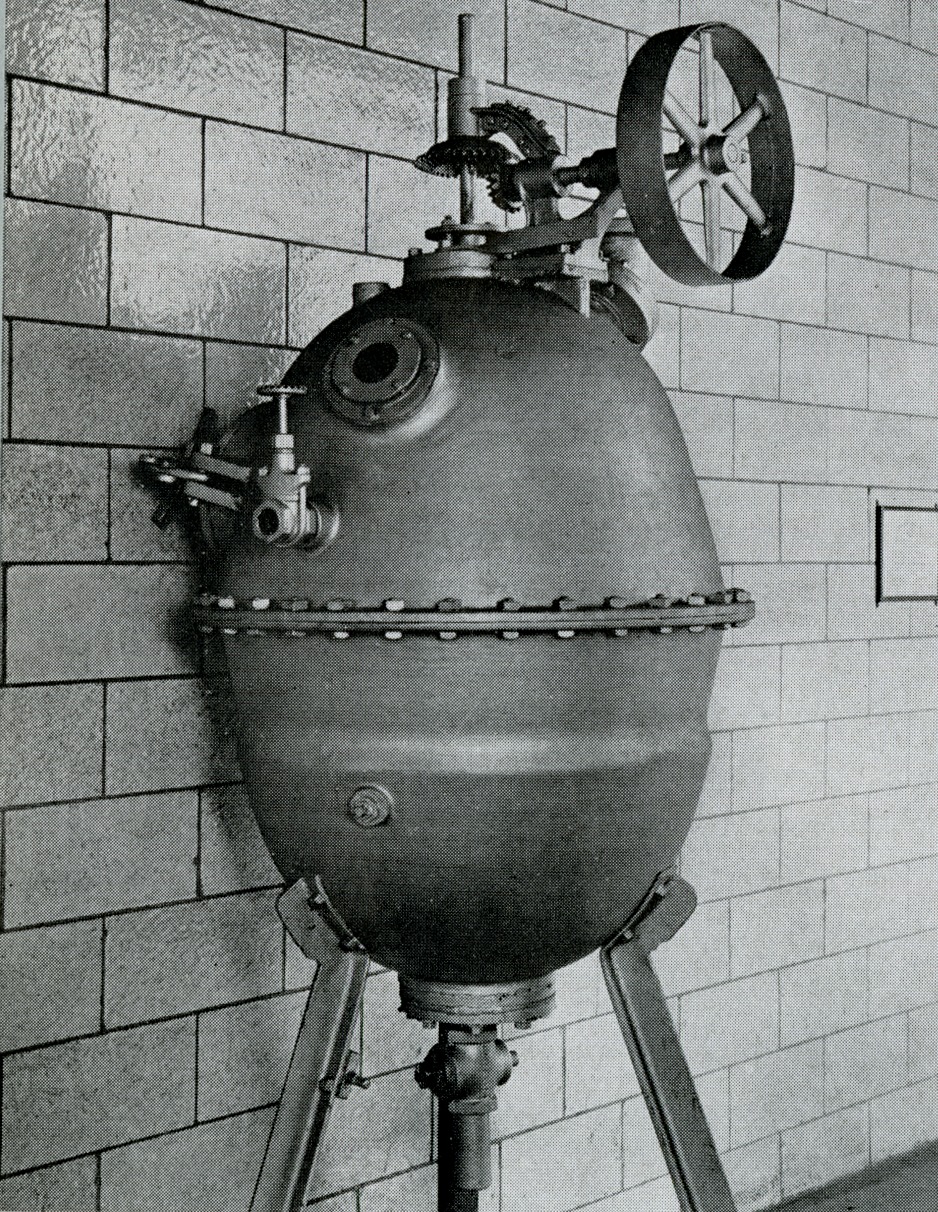
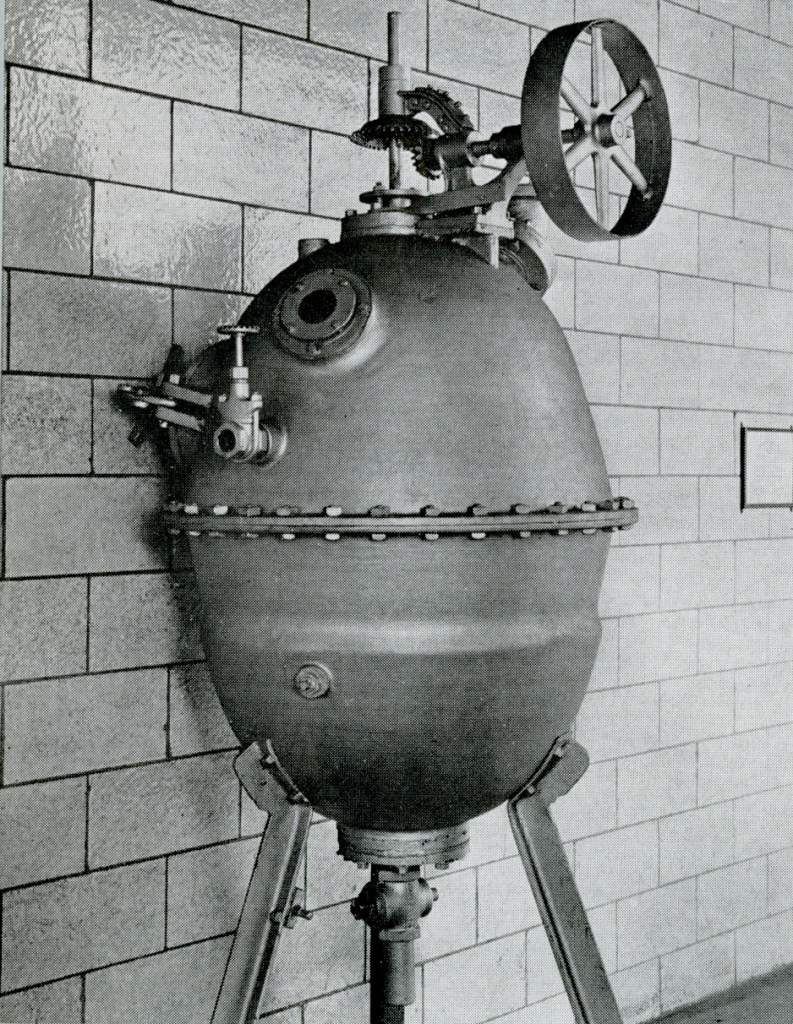
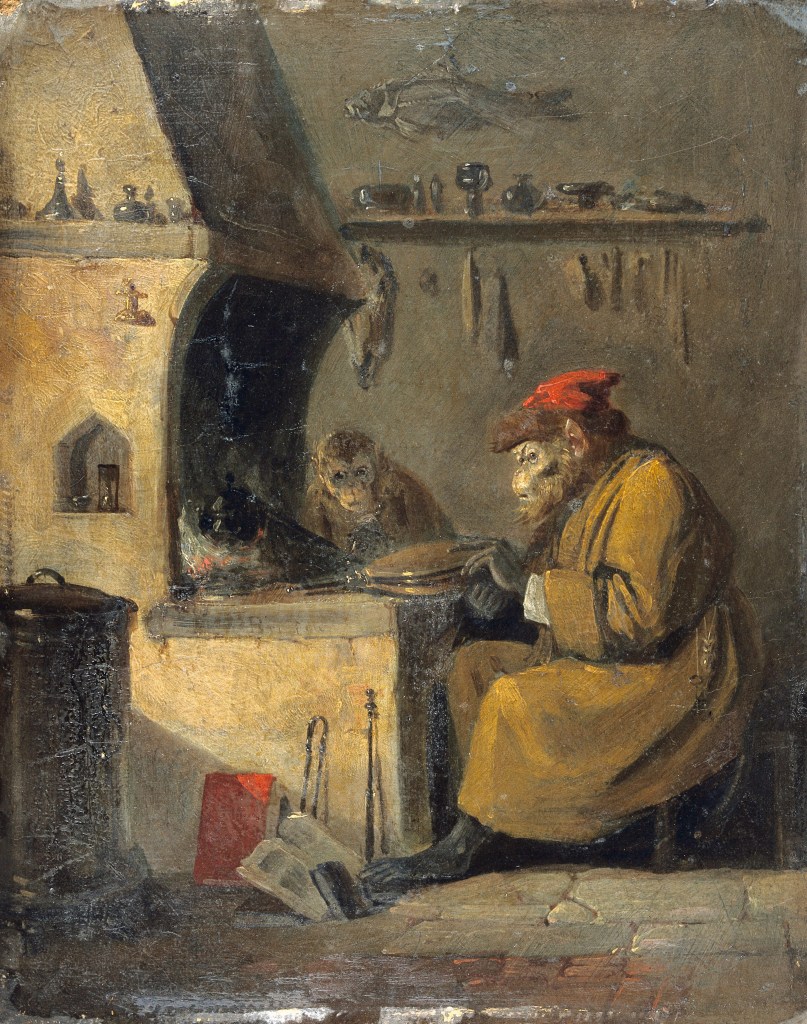

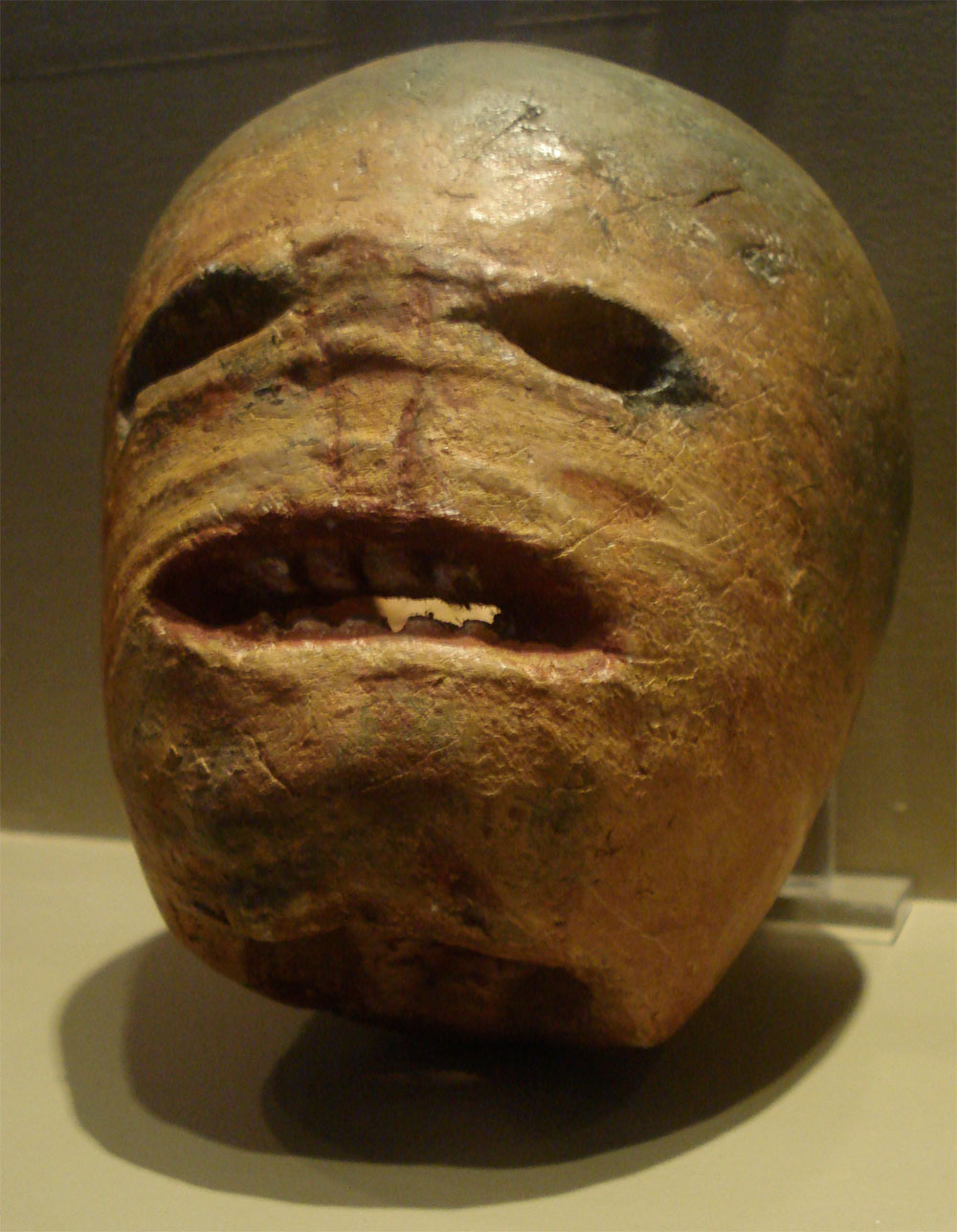
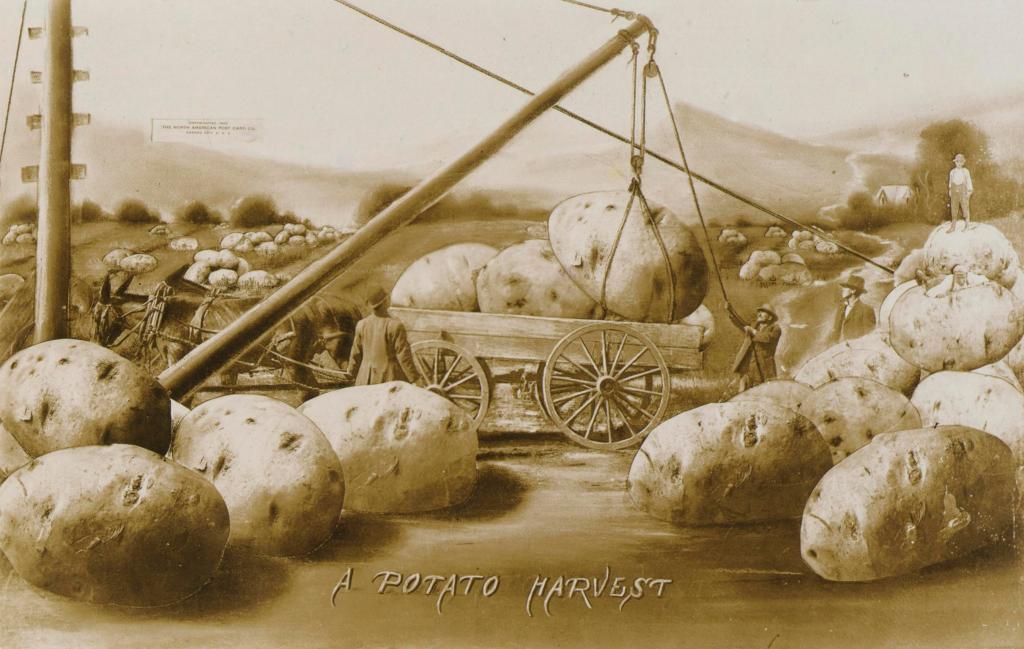
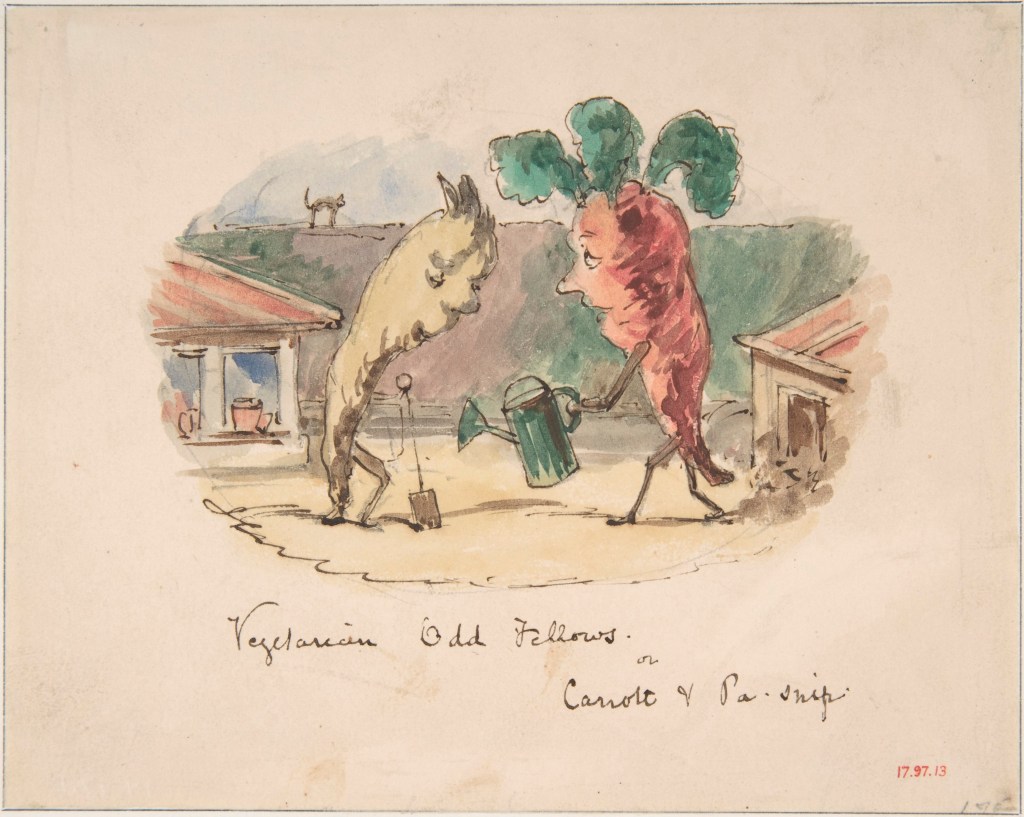
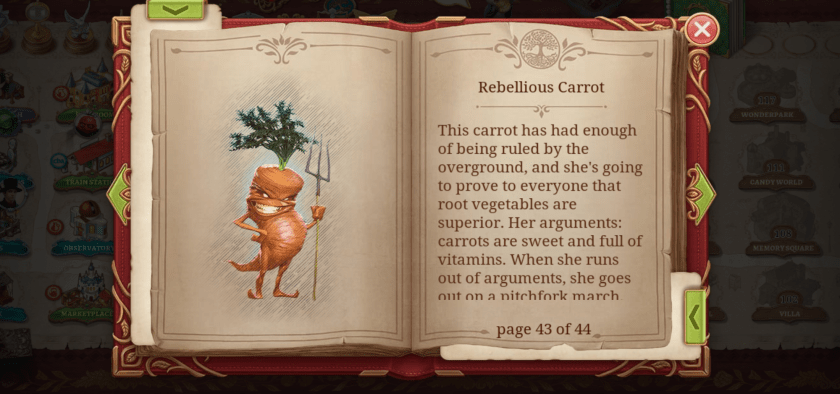
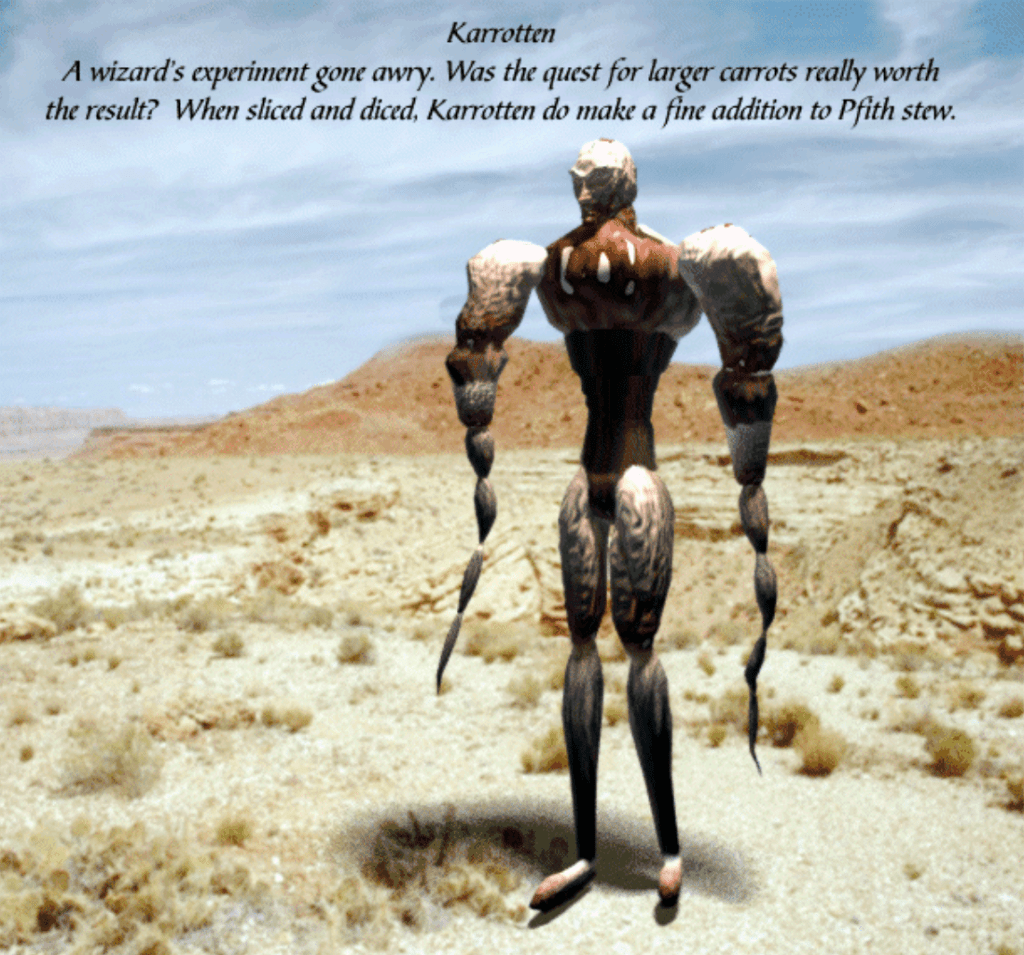
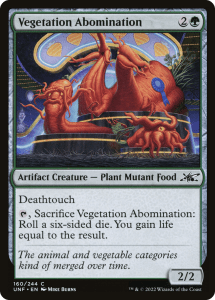
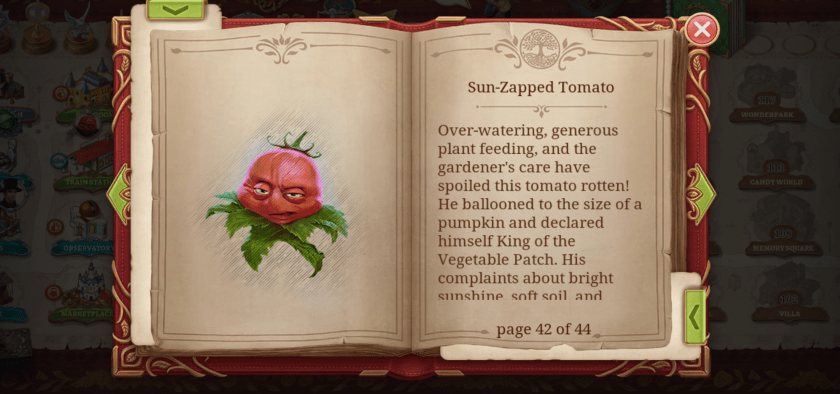
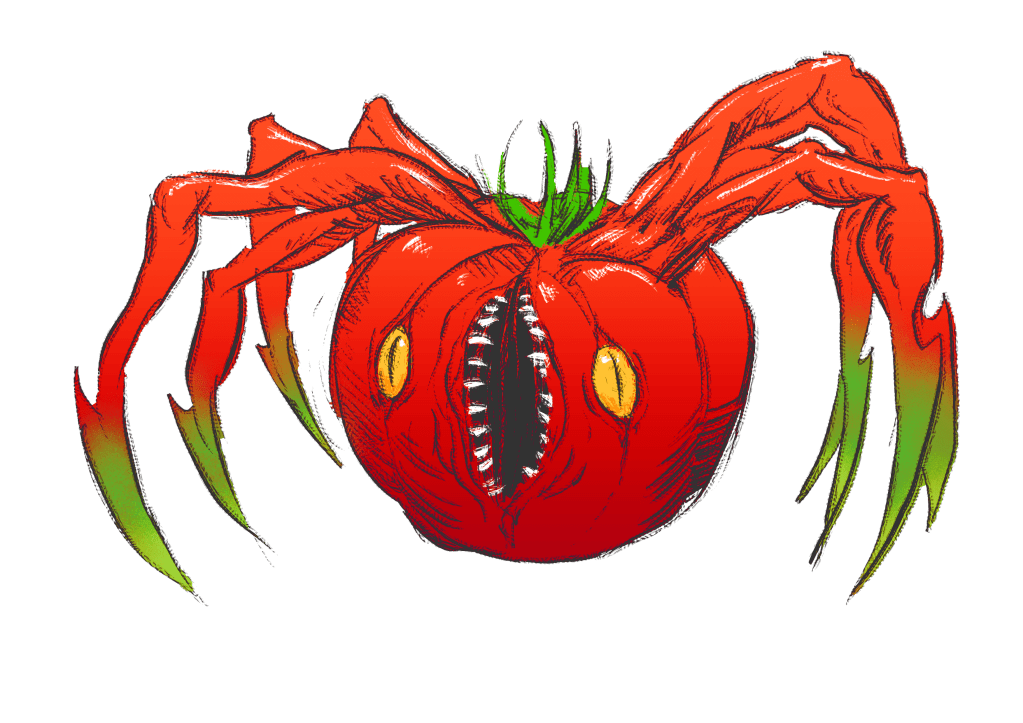
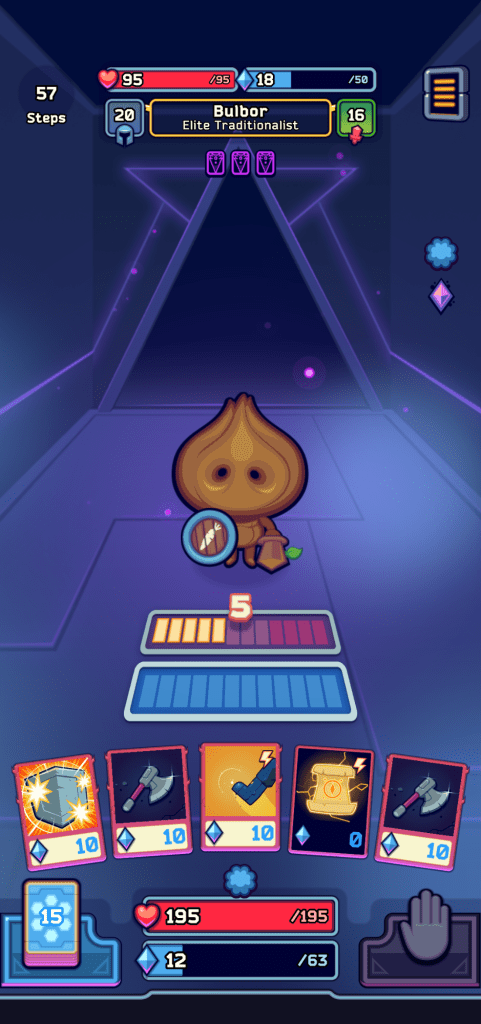
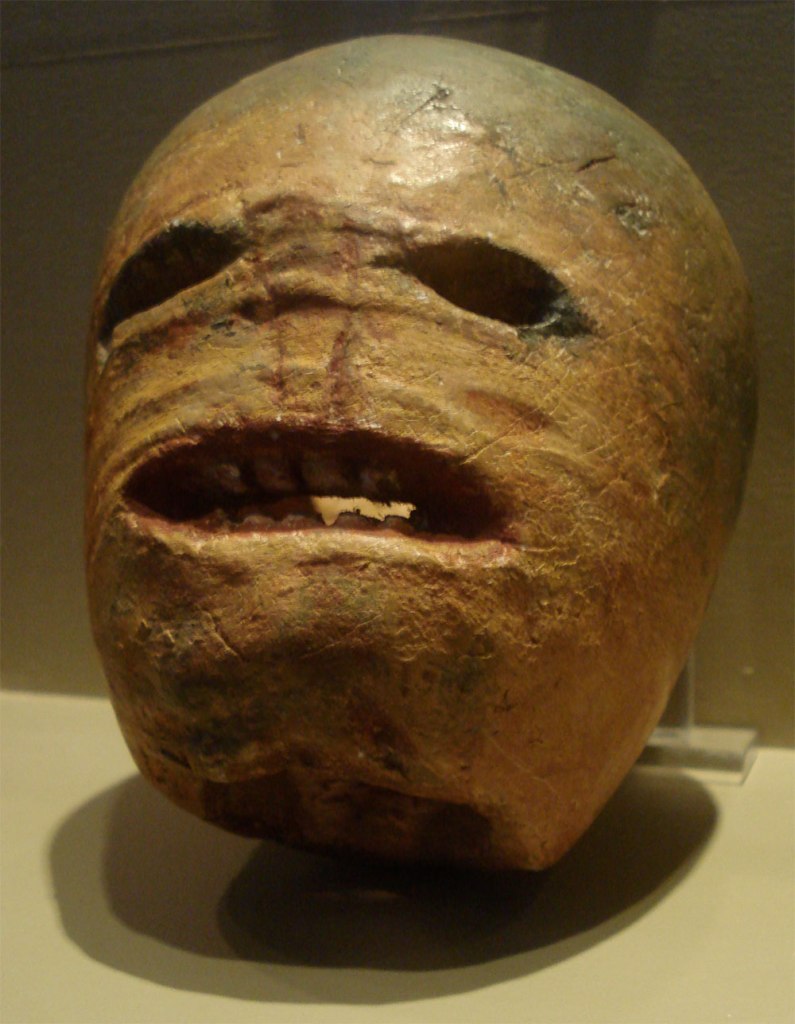
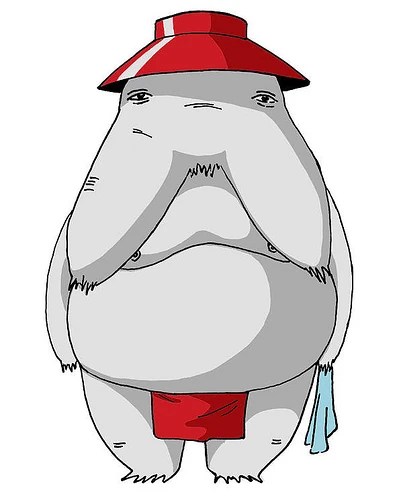
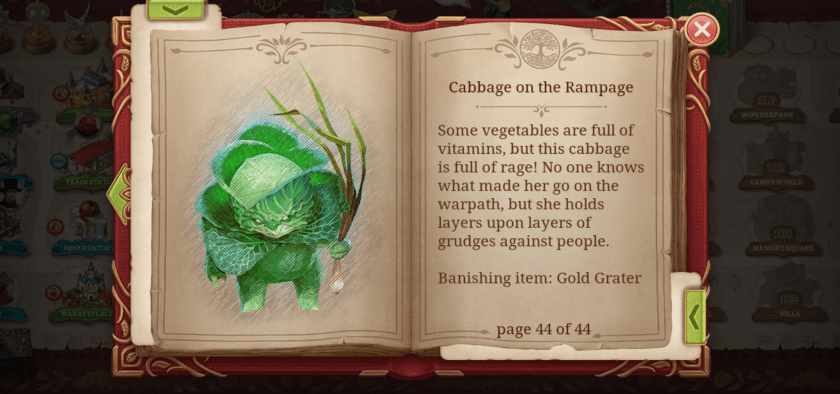
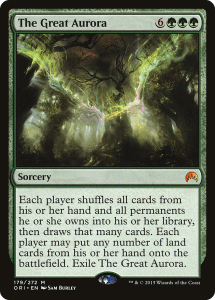


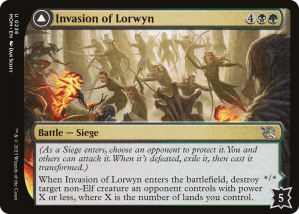


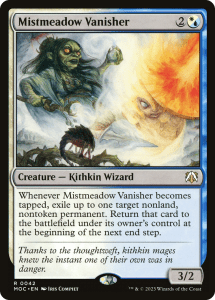
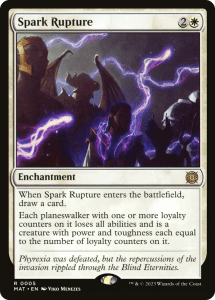
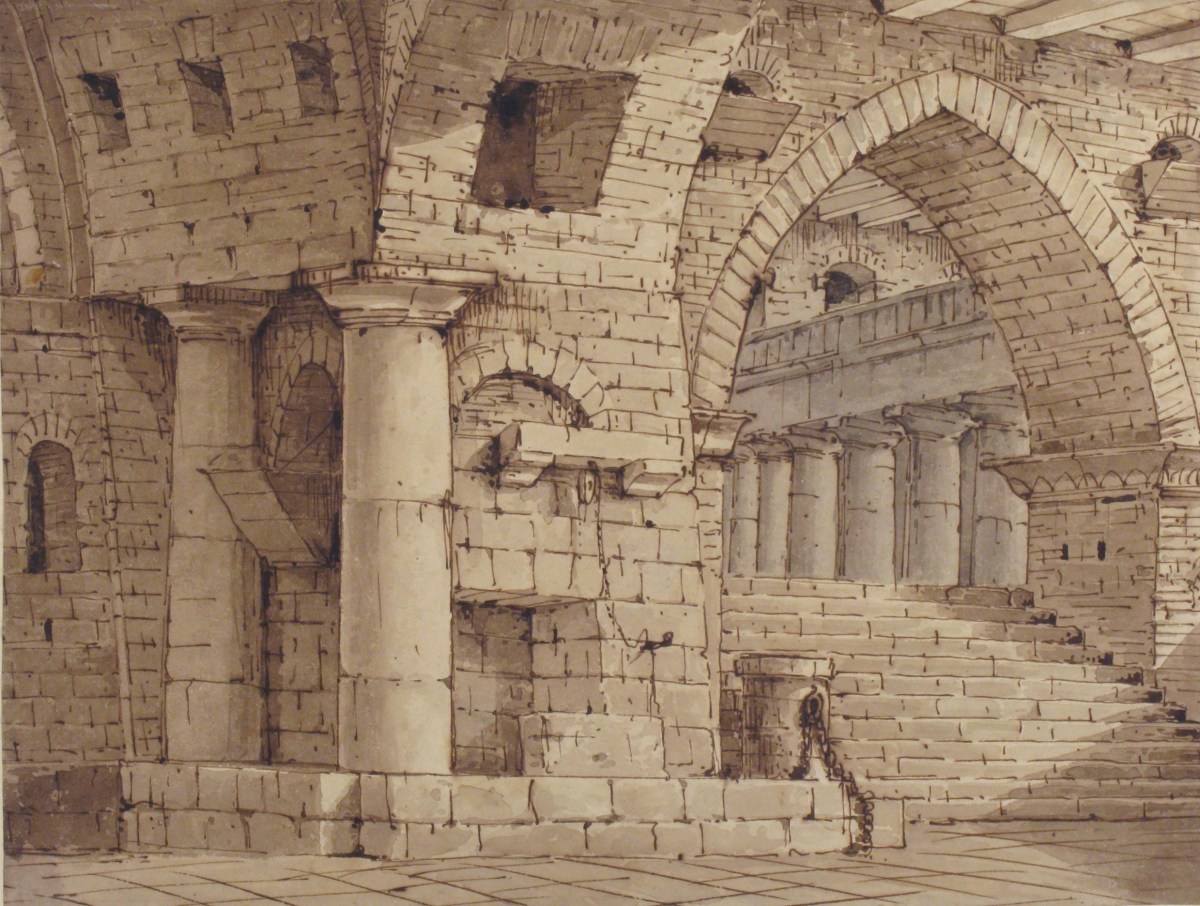
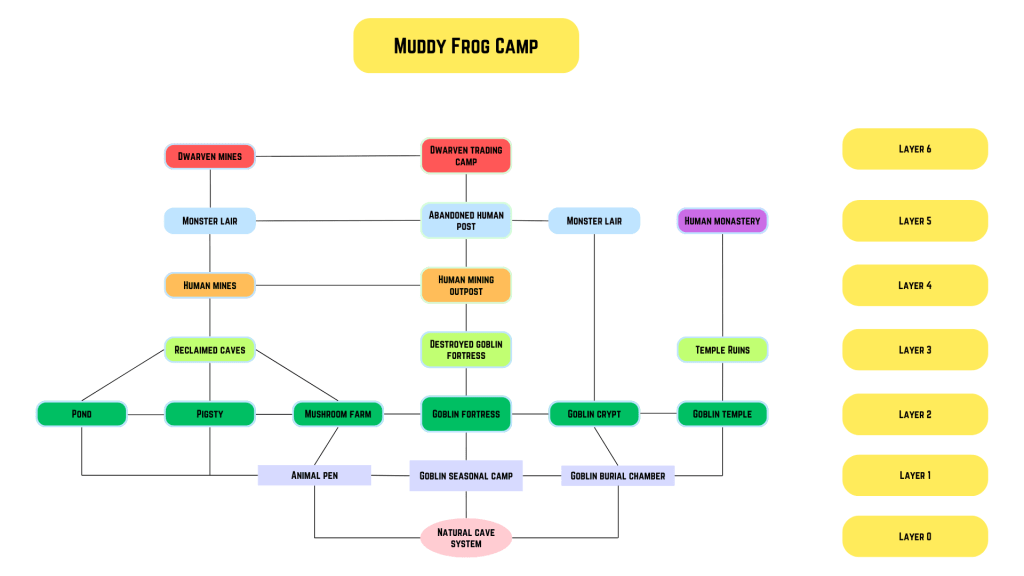
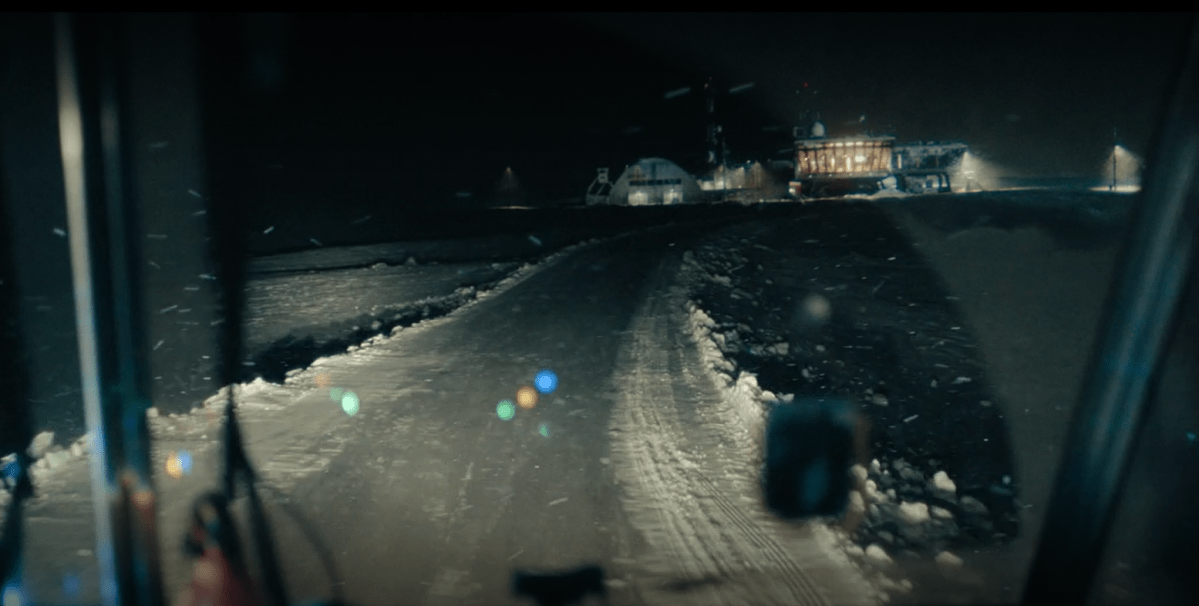

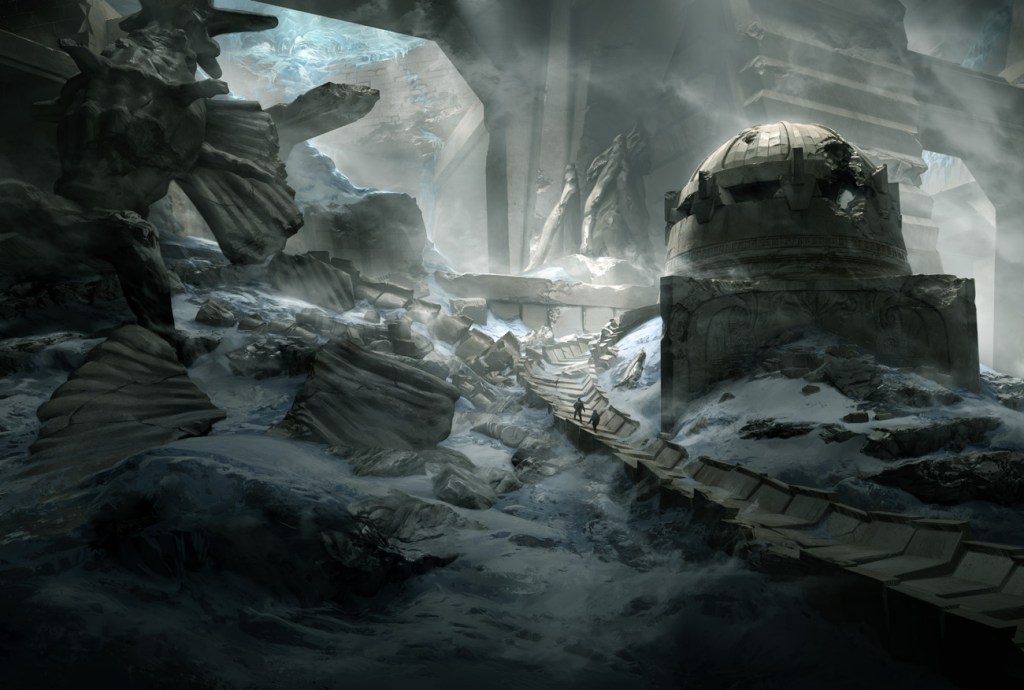


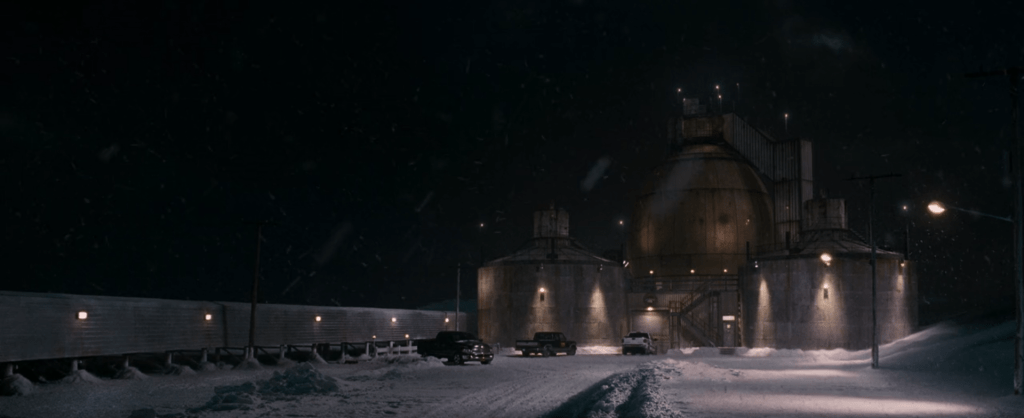


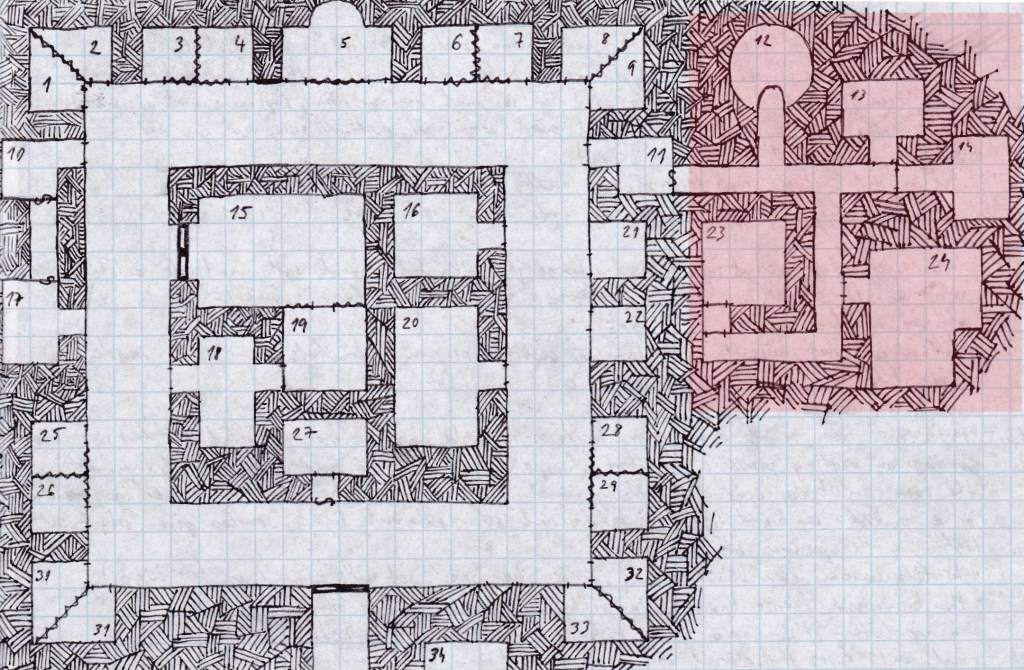

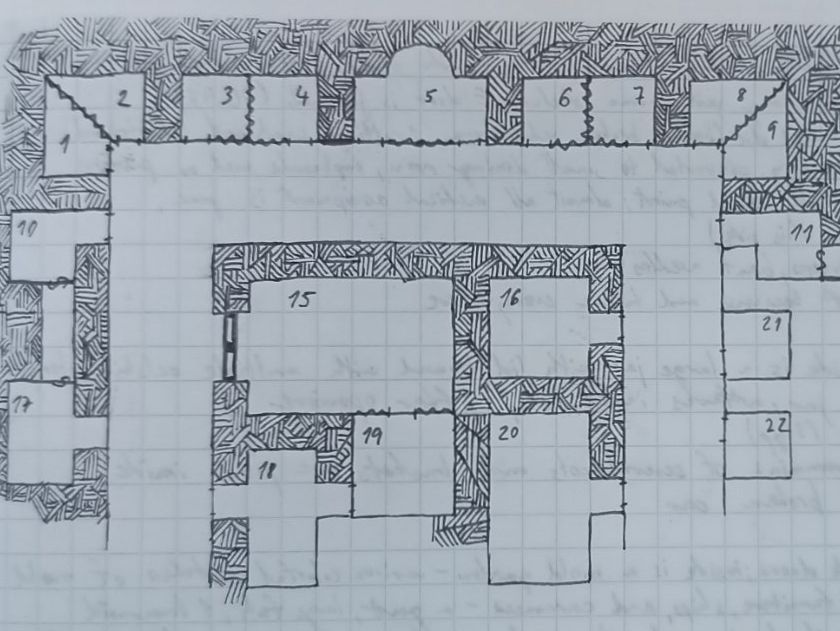
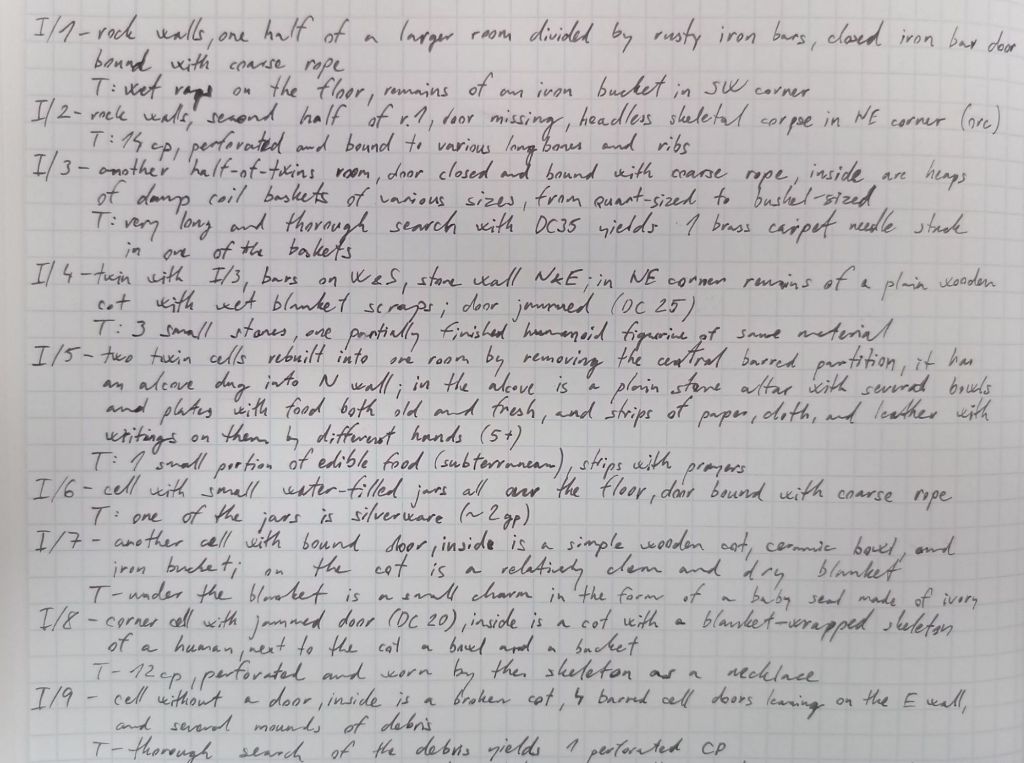
 Rashundai Games

